
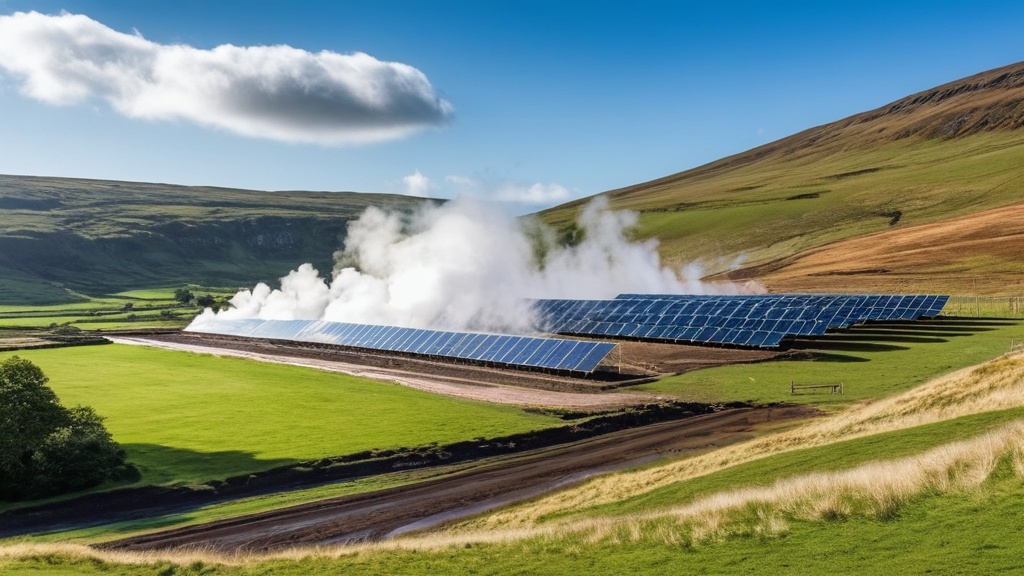
Geothermal power represents a remarkable source of renewable energy, harnessing the Earth’s internal heat to generate electricity and provide direct heating. This energy source has been utilized for centuries, with ancient civilizations tapping into hot springs for bathing and cooking. In modern times, geothermal energy has evolved into a sophisticated technology capable of supplying substantial amounts of power. As the world grapples with climate change and the need for sustainable energy solutions, geothermal power stands out as a reliable and consistent alternative to fossil fuels.
The process of generating geothermal energy involves extracting heat from beneath the Earth’s surface, where temperatures can reach thousands of degrees. This heat can be found in various forms, including steam, hot water, or hot rocks. Power plants convert this thermal energy into electricity, while direct-use applications can provide heating for homes, greenhouses, and industrial processes. As we explore the potential of geothermal energy, it becomes clear that this resource offers a unique opportunity to contribute to a cleaner and more sustainable energy future.
Harnessing geothermal energy in the UK presents a promising opportunity for sustainable energy production, complementing other renewable sources such as solar power. For those interested in understanding the broader context of renewable energy solutions, a related article discussing common issues with solar panels and their resolutions can be found at Eco-Friendly Home Hub. This resource provides valuable insights into the challenges faced by solar technology, which can be useful for anyone exploring various renewable energy options, including geothermal.
Key Takeaways
- Geothermal power harnesses heat from the Earth’s core to generate electricity and heat buildings.
- The UK has significant geothermal potential, particularly in areas with high heat flow and suitable geological conditions.
- Challenges for geothermal power in the UK include high upfront costs and the need for more research and development.
- Government policies and incentives, such as the Renewable Heat Incentive, are driving the growth of geothermal energy in the UK.
- Technological advances, such as enhanced geothermal systems, are making geothermal power more efficient and cost-effective.
Geothermal Potential in the UK
The United Kingdom possesses untapped geothermal potential that could play a vital role in its energy landscape. While the country has historically relied on fossil fuels and nuclear power, recent interest in renewable energy sources has sparked discussions about harnessing geothermal resources. The UK’s geological features, particularly in regions such as Cornwall and the East Midlands, present opportunities for geothermal exploration and development. Hot rocks located deep underground could provide a consistent source of heat and electricity.
Research indicates that the UK could generate significant amounts of energy from geothermal sources. Estimates suggest that the geothermal potential could reach up to 100 gigawatts, enough to power millions of homes. The presence of existing infrastructure, such as abandoned mines and deep boreholes, offers a promising starting point for geothermal projects. As we consider the future of energy in the UK, tapping into this geothermal potential could help diversify the energy mix and reduce reliance on imported fossil fuels.
Challenges and Opportunities for Geothermal Power
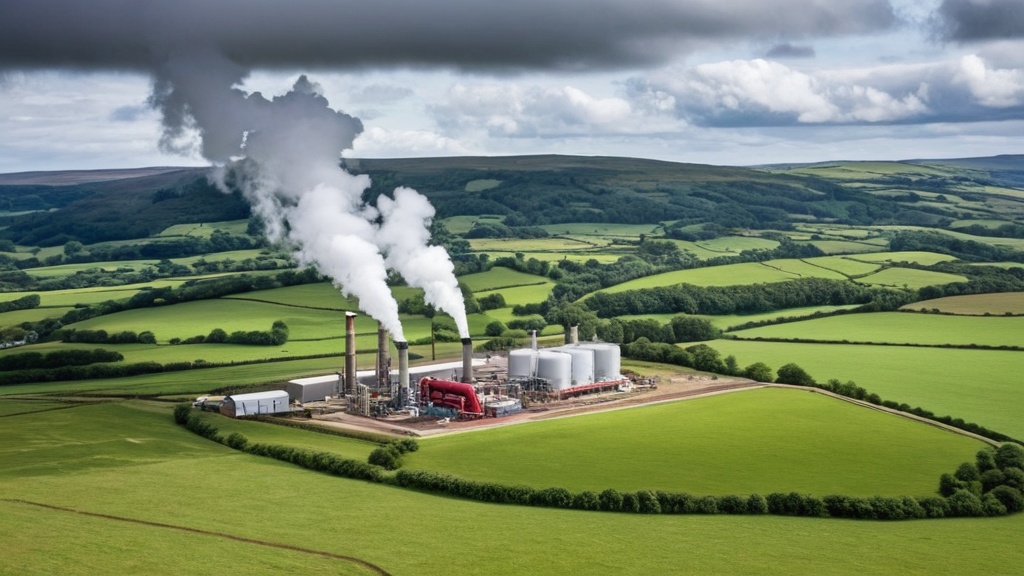
While the potential for geothermal energy in the UK is promising, several challenges must be addressed to realize its full capacity. One major hurdle involves the high upfront costs associated with drilling and developing geothermal wells. The initial investment can deter private companies from pursuing geothermal projects, especially when compared to other renewable sources like wind and solar. Additionally, public awareness and understanding of geothermal energy remain limited, which can hinder support for new initiatives.
Despite these challenges, opportunities abound for advancing geothermal power in the UK.
Increased collaboration between government bodies, research institutions, and private companies can foster innovation and drive down costs.
Public engagement campaigns can raise awareness about the benefits of geothermal energy, encouraging community support for local projects. Furthermore, advancements in drilling technology and resource assessment techniques can improve the feasibility of geothermal development, making it a more attractive option for investors.
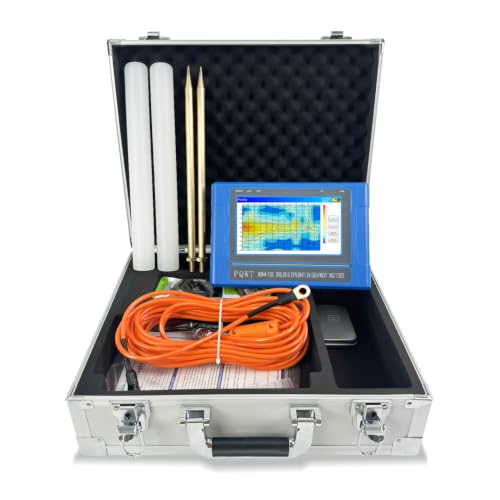
Unmatched Survey Efficiency: Utilizing the natural electric field (no external power required), this underground water finder can survey over 8,000 meters per day. Its…
Government Policies and Incentives for Geothermal Energy
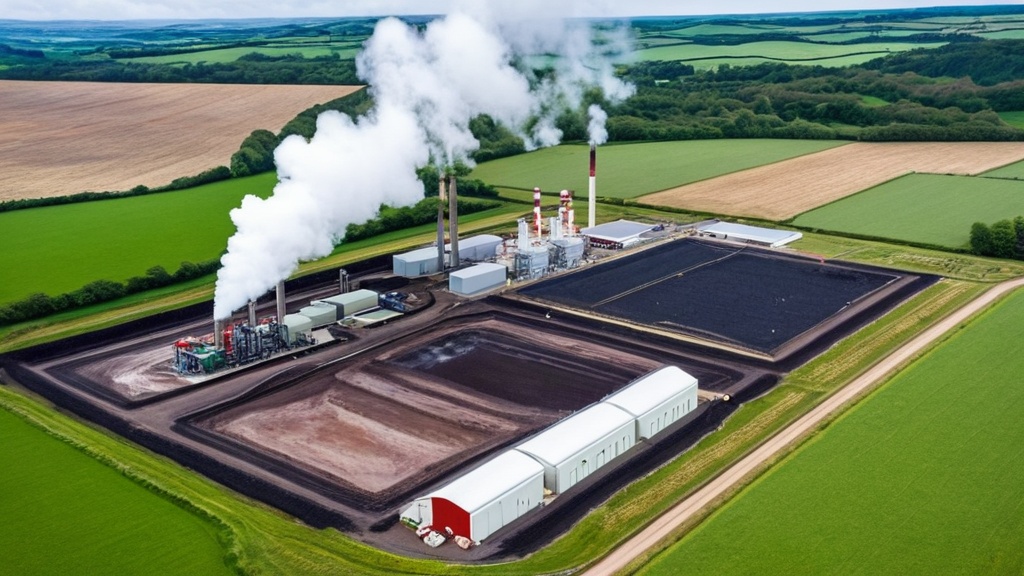
Government policies play a crucial role in shaping the future of geothermal energy in the UK. Supportive legislation and incentives can encourage investment in renewable technologies and facilitate the growth of the geothermal sector. The UK government has set ambitious targets for reducing carbon emissions and increasing renewable energy generation, which aligns with the goals of developing geothermal resources. Policies that promote research and development in this field can help overcome existing barriers and stimulate innovation.
Incentives such as grants, tax breaks, and feed-in tariffs can make geothermal projects more financially viable. By providing financial support to developers, the government can help mitigate risks associated with initial investments. Additionally, streamlining permitting processes can expedite project development timelines, allowing geothermal plants to come online more quickly. As we look ahead, continued government support will be essential for unlocking the full potential of geothermal energy in the UK.
Harnessing geothermal energy in the UK presents a promising opportunity for sustainable energy production, complementing other renewable sources like solar power. A recent article highlights the advancements in solar technology over the past decade, showcasing how these developments can work in tandem with geothermal initiatives to create a more resilient energy landscape. For more insights on this topic, you can read the article on solar progress here. By integrating various renewable energy sources, the UK can significantly reduce its carbon footprint while ensuring a stable energy supply for the future.

Necessary to install Grant Classic Series, Challenger Series or Signature Series steering wheels

Necessary to install Grant Classic Series, Challenger Series or Signature Series steering wheels

Necessary to install Grant Classic Series, Challenger Series or Signature Series steering wheels
Technological Advances in Geothermal Power
| Metrics | Data |
|---|---|
| Geothermal Potential | Estimated to be around 100 GW |
| Current Geothermal Capacity | Less than 1 MW |
| Number of Geothermal Projects | Several exploration projects underway |
| Investment in Geothermal | Increasing interest from investors |
| Challenges | High upfront costs, technical feasibility |
Technological advancements have transformed the landscape of geothermal power generation, making it more efficient and accessible than ever before. Innovations in drilling techniques have significantly reduced costs and improved resource extraction methods. Enhanced geothermal systems (EGS) represent a groundbreaking approach that allows for the creation of artificial reservoirs in hot rock formations, expanding the potential for geothermal energy beyond traditional hydrothermal resources.
Moreover, improvements in power plant design have increased efficiency and reduced environmental impacts. Binary cycle power plants utilize lower temperature resources by transferring heat to a secondary fluid with a lower boiling point, allowing for electricity generation from previously unusable sources. As we continue to invest in research and development, further technological breakthroughs will likely emerge, paving the way for a more robust geothermal industry.
Harnessing geothermal energy in the UK presents a promising opportunity for sustainable energy production, as highlighted in a related article on eco-friendly practices. This article discusses various methods to reduce waste at home, which can complement efforts to adopt renewable energy sources like geothermal power. By integrating these eco-friendly strategies, households can not only minimize their environmental impact but also support the transition towards a greener energy future.