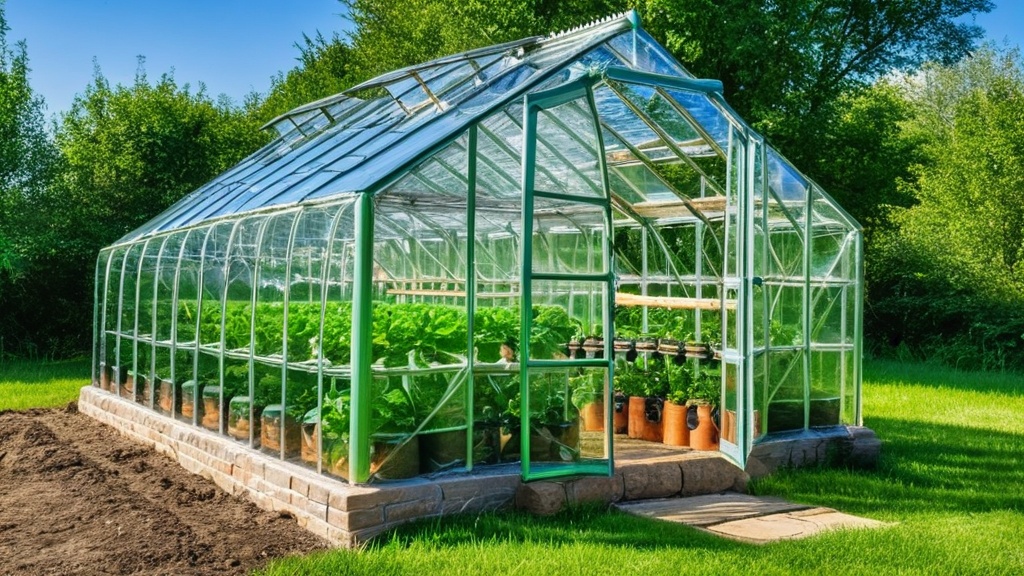
Recycled bottle greenhouses represent an innovative approach to sustainable gardening. As we face increasing environmental challenges, the need for eco-friendly solutions becomes more pressing. Utilizing plastic bottles, which often contribute to pollution, transforms waste into a resource. This method not only reduces landfill waste but also provides an effective way to create a greenhouse that can nurture plants in various climates.
Constructing a greenhouse from recycled materials offers numerous advantages. It allows us to engage in gardening while promoting sustainability. The process of building such a greenhouse can be both rewarding and educational, fostering a deeper understanding of environmental stewardship. As we explore the steps involved in creating a recycled bottle greenhouse, we will uncover the potential benefits and joys of this unique gardening solution.
If you’re interested in sustainable gardening practices, you might also want to check out the article on reimagining infrastructure for a sustainable future. This piece explores innovative ways to integrate natural materials into building designs, which complements the concept of creating a recycled bottle greenhouse. You can read more about it here: Building with Nature: Reimagining Infrastructure for a Sustainable Future.
Key Takeaways
- Recycled bottle greenhouses are an eco-friendly and cost-effective way to grow plants.
- Collect and prepare plastic bottles by removing labels and caps, and cleaning them thoroughly.
- Build the frame for the greenhouse using sturdy materials like wood or metal.
- Attach the plastic bottles to the frame by threading them onto wires or securing them with zip ties.
- Add ventilation and door options to ensure proper air circulation and access to the greenhouse.
Collecting and Preparing Plastic Bottles
Gathering plastic bottles serves as the first step in our greenhouse project. We can start by reaching out to friends, family, and local businesses to collect bottles that would otherwise end up in landfills. Many people are willing to donate their used bottles, especially when they understand the purpose behind our initiative. Setting up collection bins at community events or local markets can also encourage others to contribute.
Once we have amassed a sufficient quantity of bottles, preparing them for use becomes essential. Cleaning each bottle thoroughly ensures that no residue remains, which could harm our plants later on. Removing labels and caps is equally important, as they can interfere with the construction process. Cutting the bottles into halves or thirds may be necessary, depending on the design we choose for our greenhouse. This preparation phase sets the foundation for a successful build.

[SPECIAL SCISSORS FOE PLASTIC BOTTLE] These are specialized scissors for cutting plastics, such as plastic bottles, plastic containers. With their unique sharp tips, they can easily cut into rounded and hard-to-cut plastic products without any hassle. Perfect for crafting and recycling.

Durable Construction: Crafted from solid beech wood for long-lasting performance and smooth plastic bottle cutting without jamming
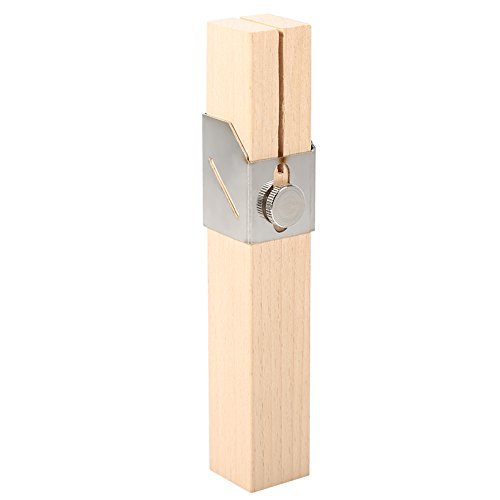
Practical Plastic Bottle Cutter: The plastic bottles cutter and hand DIY plastic bottle rope is great for home use; The rope can tie old items and different colors of bottle ropes can decorate our garden economical, eco friendly, and plastic bottle cutting tool is a useful tool to have in case of an emergency
Building the Frame for the Greenhouse
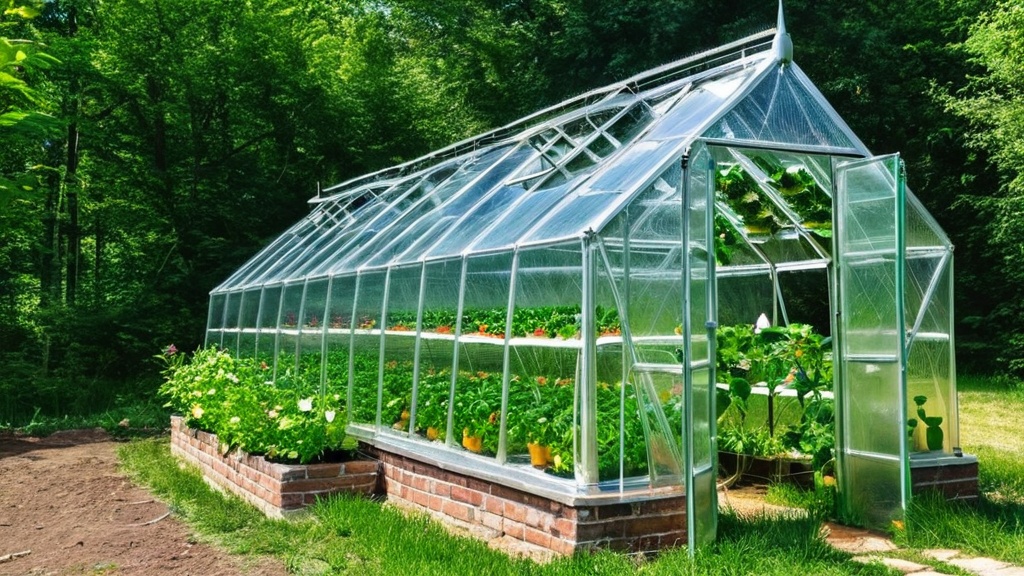
Constructing the frame of our greenhouse requires careful planning and consideration of materials. Selecting sturdy materials such as wood or metal will provide the necessary support for the structure. We must ensure that the frame is strong enough to withstand various weather conditions while remaining lightweight enough for easy assembly.
As we begin building the frame, measuring and cutting each piece accurately is crucial. A well-constructed frame will serve as the backbone of our greenhouse, allowing us to attach the plastic bottles securely. We can choose from various designs, such as A-frame or hoop-style greenhouses, depending on our preferences and available space. Each design offers unique benefits, so exploring different options can help us find the best fit for our needs.
Attaching the Plastic Bottles to the Frame
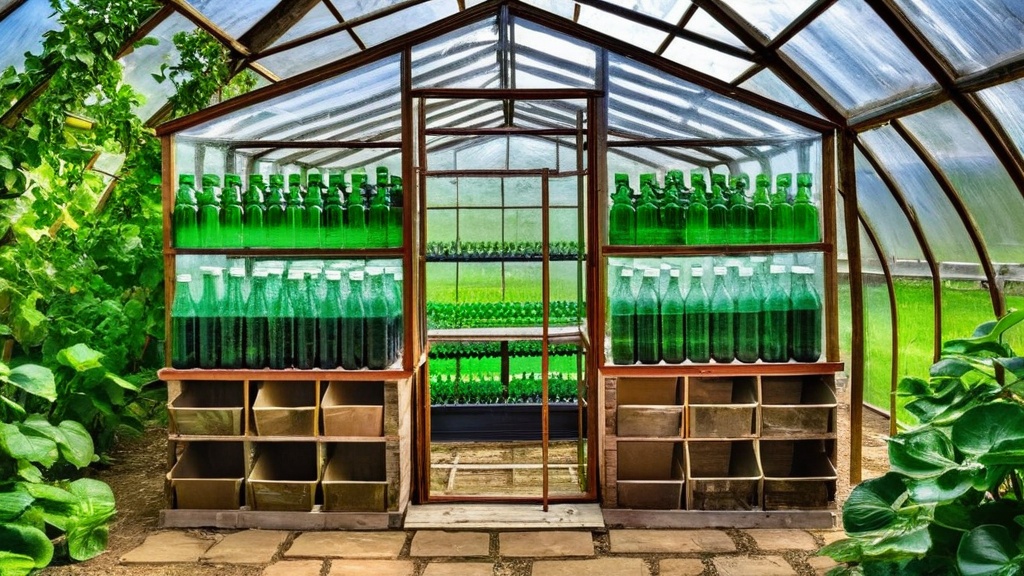
Securing the plastic bottles to the frame represents a vital step in creating our greenhouse. We can use various methods for attachment, including screws, nails, or even adhesive materials. Ensuring that each bottle is firmly attached will help maintain the structure’s integrity and prevent any gaps that could compromise insulation.
Arranging the bottles in a staggered pattern can enhance both aesthetics and functionality. This layout allows for better light penetration while maximizing space within the greenhouse. As we attach each bottle, we should pay attention to alignment and spacing to create a visually appealing and efficient structure. The process can be labor-intensive but ultimately rewarding as we witness our vision come to life.
If you’re interested in sustainable gardening practices, you might find it beneficial to explore how to save energy while drying clothes, which can complement your eco-friendly greenhouse project. This article offers practical tips and insights that can help you reduce your carbon footprint in multiple areas of your home. For more information, check out this helpful resource on saving energy while drying clothes.
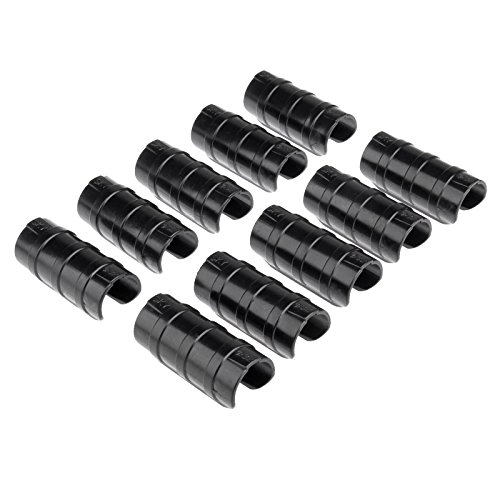
PREMIUM MATERIAL: Our greenhouse clamps clips are made of update ABS and PC composites,which pass the -57°C-177°C temperature test. Works well under both high temperature and low temperature.

【Material】The snap black clamp is made of update ABS and PC composites; ABS clamps have higher temperature resistance and gripping strength.

Ample Quantity: experience the convenience with our pack that includes 50 counts of greenhouse twist hooks; With such ample quantity, you'll have enough pieces to cater to multiple gardening needs; These hooks would make your gardening work easy and convenient
Adding Ventilation and Door Options
| Materials Needed | Cost |
|---|---|
| Plastic bottles | Free (recycled) |
| Wooden poles | Varies |
| Clear plastic sheeting | Varies |
| Soil | Varies |
| Seeds/plants | Varies |
| Tools (scissors, hammer, nails, etc.) | Varies |
Incorporating ventilation into our greenhouse design is essential for maintaining a healthy environment for our plants. Proper airflow prevents overheating and promotes healthy growth. We can achieve this by installing vents or windows that can be opened and closed as needed. Strategically placing these openings will allow for optimal air circulation throughout the structure.
Creating an entrance to our greenhouse is equally important. A well-designed door provides easy access while helping to maintain temperature control inside. We can opt for a simple flap door made from additional plastic bottles or a more traditional hinged door using wood or metal materials. Regardless of our choice, ensuring that the door seals properly will help retain heat during colder months.
If you’re interested in sustainable gardening practices, you might find it helpful to explore ways to manage pests naturally. For instance, an article on how to get rid of ants naturally offers some effective strategies that can complement your efforts in building a recycled bottle greenhouse. By creating a harmonious environment for your plants, you can ensure that your greenhouse thrives while minimizing the use of harmful chemicals. You can read more about these natural pest control methods in this informative article com/how-to-get-rid-of-ants-naturally/’>here.
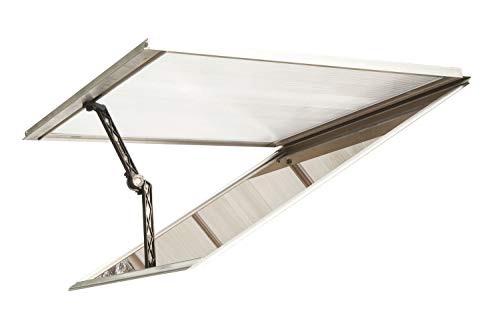
INCREASED VENTILATION: The Canopia Roof Vent Kit opens for additional air ventilation

This listing is a replacement CYLINDER only, for the full set of auto vent opener you can find it in my shop.
Preparing the Ground and Installing the Greenhouse
Before installing our greenhouse, preparing the ground is crucial for stability and drainage. Selecting a suitable location with adequate sunlight exposure will promote healthy plant growth. Clearing any debris and leveling the ground ensures a solid foundation for our structure.
Once the ground is prepared, we can begin installing the greenhouse frame. Securing it firmly in place will prevent shifting or collapsing during adverse weather conditions. Adding gravel or sand around the base can improve drainage and protect against moisture buildup. Taking these steps will help create a stable environment for our plants to thrive.
Maintaining and Upkeep of the Greenhouse
Regular maintenance plays a vital role in ensuring the longevity of our recycled bottle greenhouse. Inspecting the structure periodically for any signs of wear or damage allows us to address issues before they escalate. Checking for loose bottles or structural weaknesses will help maintain its integrity over time.
Cleaning the greenhouse regularly is equally important for plant health. Removing debris, dead leaves, and any pests will create a healthier environment for growth. Monitoring temperature and humidity levels inside the greenhouse will help us make necessary adjustments to ventilation or watering schedules, ensuring optimal conditions for our plants.
Benefits of Using Recycled Bottle Greenhouses
Utilizing recycled bottle greenhouses offers numerous benefits that extend beyond environmental impact. First and foremost, this approach significantly reduces waste by repurposing plastic bottles that would otherwise contribute to pollution. Engaging in this project fosters a sense of community as we collaborate with others to collect materials and share knowledge about sustainable practices.
Financial savings represent another advantage of building a recycled bottle greenhouse.
Using inexpensive materials allows us to create an effective growing space without breaking the bank.
Additionally, growing our own plants can lead to reduced grocery bills and increased access to fresh produce.
The educational aspect of constructing a recycled bottle greenhouse cannot be overlooked either. This project provides an opportunity to learn about gardening techniques, sustainability practices, and environmental responsibility. As we cultivate plants within this unique structure, we gain valuable insights into ecosystems and the importance of preserving our planet.
In conclusion, creating a recycled bottle greenhouse presents an exciting opportunity for sustainable gardening while addressing pressing environmental concerns. Through careful planning, collaboration, and dedication, we can transform waste into a functional and beautiful growing space that benefits both ourselves and our planet.
FAQs
What materials are needed to build a recycled bottle greenhouse?
To build a recycled bottle greenhouse, you will need plastic bottles, a frame (made of wood or metal), screws, a drill, and a clear plastic sheeting for the roof.
How do you prepare the plastic bottles for building the greenhouse?
To prepare the plastic bottles, remove the labels and caps, clean them thoroughly, and allow them to dry. Cut off the bottom of the bottles and make a hole in the cap end for ventilation.
What are the steps to construct a recycled bottle greenhouse?
The steps to construct a recycled bottle greenhouse include building the frame, attaching the plastic bottles to the frame using screws, and then covering the structure with clear plastic sheeting for the roof.
What are the benefits of building a recycled bottle greenhouse?
Building a recycled bottle greenhouse helps reduce plastic waste, provides a low-cost alternative to traditional greenhouses, and allows for the cultivation of plants in a controlled environment.
Are there any considerations to keep in mind when building a recycled bottle greenhouse?
When building a recycled bottle greenhouse, it’s important to consider the location, ensuring it receives adequate sunlight, and to plan for proper ventilation to prevent overheating. Additionally, it’s important to secure the structure to withstand wind and other weather conditions.
Enjoying our content? Make us a preferred source on Google.
Add us as a Preferred Source on Google