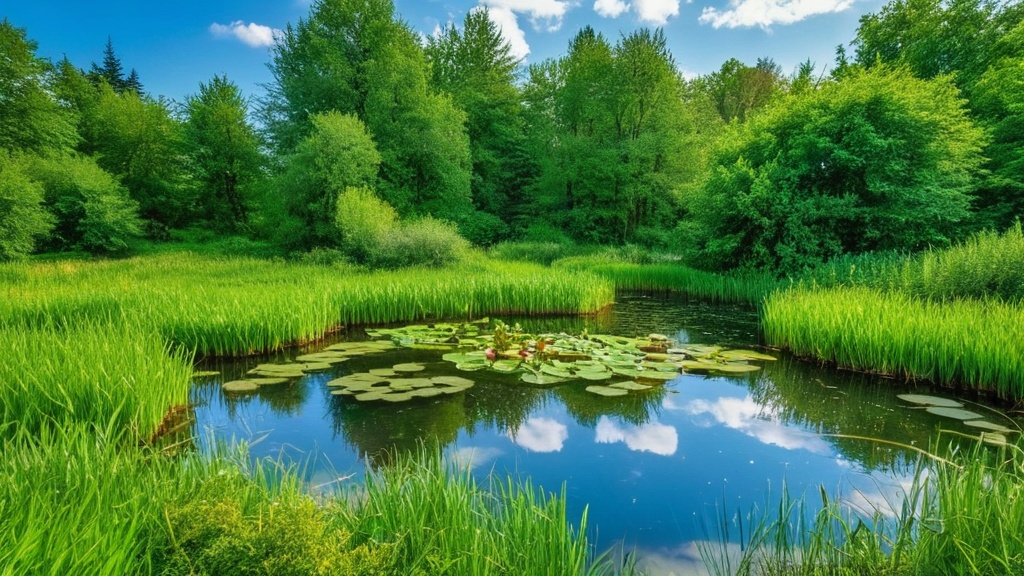
Creating wildlife-friendly ponds holds immense value for both the environment and local ecosystems. These ponds serve as vital habitats for various species, including amphibians, birds, insects, and aquatic life. By establishing a pond that caters to wildlife, we contribute to biodiversity and help sustain populations of species that may be struggling due to habitat loss. The presence of a diverse range of organisms in our ponds can lead to healthier ecosystems, as each species plays a unique role in maintaining ecological balance.
Wildlife-friendly ponds also offer educational opportunities for us and future generations.
Observing the interactions between different species fosters a deeper appreciation for nature and its complexities.
Children and adults alike can learn about the importance of conservation and the interconnectedness of life. Furthermore, these ponds can serve as a peaceful retreat, allowing us to connect with nature and enjoy the beauty of wildlife in our own backyards.
Creating a wildlife pond in your garden can significantly enhance local biodiversity and provide a habitat for various species. If you’re interested in further ways to contribute to the environment, you might find the article on reducing your carbon footprint at home particularly insightful. It offers practical tips that complement the benefits of establishing a wildlife pond, promoting a more sustainable lifestyle overall. You can read more about it here: Reducing Your Carbon Footprint at Home.
Key Takeaways
- Wildlife-friendly ponds provide essential habitat for a variety of species and contribute to biodiversity conservation.
- Proper design and planning of wildlife-friendly ponds should consider factors such as water depth, plant diversity, and access for wildlife.
- Choosing native plants and incorporating wildlife-friendly features such as rocks and logs can enhance the habitat value of the pond.
- Regular maintenance and monitoring of water quality is crucial for supporting a healthy ecosystem and wildlife population in the pond.
- Providing shelter and habitat features such as floating islands and submerged plants can attract and support a diverse range of wildlife in the pond.
Designing and Planning Your Wildlife-Friendly Pond
When it comes to designing a wildlife-friendly pond, careful planning is essential. We must consider the size, shape, and location of the pond to maximize its potential as a habitat. A naturalistic design often works best, incorporating gentle slopes and varying depths to create diverse environments within the pond. This variety allows different species to thrive, as some prefer shallow areas while others require deeper water.
In addition to the physical characteristics of the pond, we should think about its placement within the landscape. Positioning the pond near existing vegetation or natural features can encourage wildlife to visit. Proximity to trees and shrubs provides shelter and food sources for birds and insects, while also offering shade to keep the water cool. Planning for accessibility is important too; we want to create spaces where we can observe wildlife without disturbing their natural behaviors.
Choosing Native Plants and Wildlife-Friendly Features
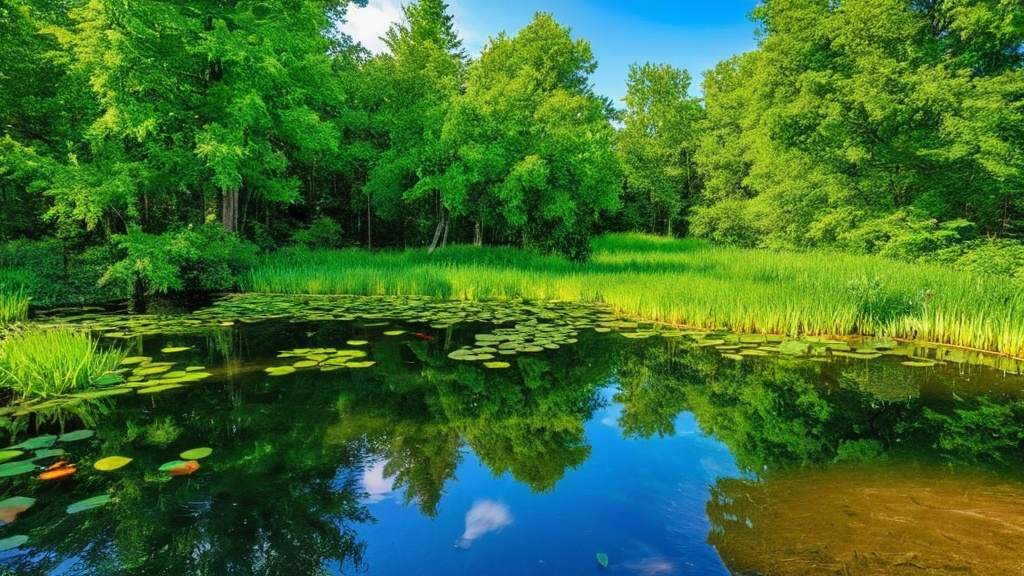
Selecting native plants is a key aspect of creating a wildlife-friendly pond. Native species are adapted to local conditions and provide essential food and shelter for local wildlife. Incorporating a variety of plants, such as emergent, floating, and submerged species, creates a balanced ecosystem that supports diverse life forms. For instance, cattails and bulrushes can provide nesting sites for birds, while water lilies offer shade and cover for fish.
In addition to native plants, we should consider adding wildlife-friendly features to our ponds. Installing rocks, logs, or brush piles around the pond’s edge can create habitats for amphibians and insects. These structures provide hiding spots from predators and breeding grounds for various species. Incorporating a small waterfall or fountain can help aerate the water, promoting a healthy environment for aquatic life while adding visual interest to our ponds.
Maintaining Water Quality for Wildlife
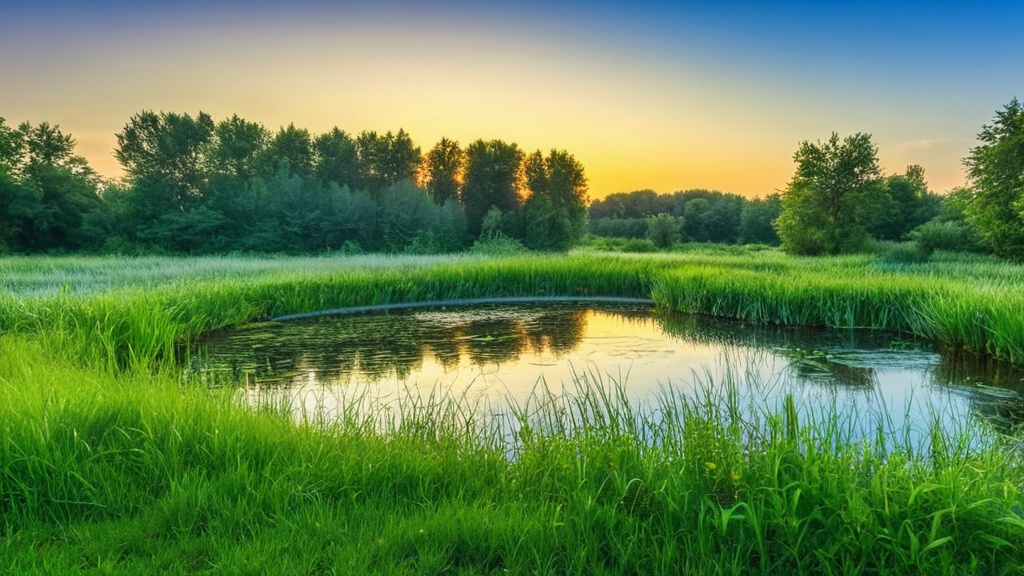
Maintaining water quality is vital for the health of our wildlife-friendly ponds. Regular monitoring of water parameters such as pH, temperature, and nutrient levels helps us identify any potential issues before they escalate. Implementing natural filtration systems, such as planting aquatic vegetation along the edges, can assist in keeping the water clean and clear. These plants absorb excess nutrients and provide oxygen, creating a balanced environment for fish and other aquatic organisms.
Avoiding chemical treatments is crucial in preserving water quality. Pesticides and fertilizers can harm aquatic life and disrupt the delicate balance within the pond ecosystem. Instead, we should focus on natural methods of pest control and nutrient management. Encouraging beneficial insects and using organic compost can help maintain healthy plant growth without compromising water quality.
Creating a wildlife pond can greatly enhance your garden’s biodiversity, providing a habitat for various species while also adding beauty to your outdoor space. For those interested in making their homes more eco-friendly, incorporating energy-efficient appliances can complement the sustainability of a wildlife pond. You can learn more about this in the article on how energy-efficient appliances can save you money and the environment. By combining these elements, you not only create a thriving ecosystem but also contribute to a greener planet.
Providing Shelter and Habitat for Wildlife
| Metrics | Data |
|---|---|
| Number of Wildlife Ponds | Increasing |
| Size of Ponds | Variable |
| Species Supported | Diverse |
| Benefits | Ecological, Aesthetic |
Creating shelter and habitat within our ponds is essential for attracting a variety of wildlife. We can enhance the pond’s edges with native vegetation that offers cover for animals seeking refuge from predators. Dense plantings not only provide shelter but also create feeding grounds for insects and birds. Additionally, incorporating features like overhanging branches or floating islands can offer safe resting spots for birds and other creatures.
Building structures such as birdhouses or bat boxes nearby can further support wildlife populations. These additions encourage nesting and breeding, contributing to the overall health of local ecosystems. Providing a range of habitats ensures that different species have access to the resources they need to thrive, fostering a vibrant community around our ponds.
Attracting and Supporting Wildlife in Your Pond
Attracting wildlife to our ponds requires thoughtful consideration of their needs. Providing food sources is one way to encourage visits from various species. Planting native flowering plants around the pond can attract pollinators like bees and butterflies, while fruit-bearing shrubs can entice birds looking for nourishment. Creating a balanced ecosystem with diverse plant life ensures that there is something for everyone.
Water features play a significant role in attracting wildlife as well. Adding shallow areas or small pools allows amphibians like frogs and salamanders to breed successfully. Fish can thrive in deeper sections, while insects find refuge in the vegetation surrounding the water’s edge. Each element contributes to a thriving habitat that supports a wide range of wildlife.
Managing Wildlife Interactions and Balance
Managing interactions among wildlife is crucial for maintaining balance within our ponds. Observing how different species coexist helps us understand their roles in the ecosystem. Some animals may compete for resources, while others may prey on one another. Striking a balance between these interactions ensures that no single species dominates the environment.
Implementing strategies such as creating zones within the pond can help manage these interactions effectively. Designating areas for specific species allows us to monitor their populations more closely while providing them with suitable habitats. For example, we might create separate zones for fish breeding or amphibian nesting, ensuring that each group has access to the resources they need without overwhelming one another.
Enjoying and Observing Wildlife in Your Pond
The joy of having a wildlife-friendly pond lies in the opportunity to observe nature up close. Setting up comfortable seating areas nearby allows us to relax while watching the various creatures that visit our ponds. Whether it’s witnessing dragonflies darting above the water or listening to frogs croaking at dusk, these moments foster a deeper connection with nature.
Engaging in activities like photography or journaling about our observations can enhance our experience even further. Documenting changes in wildlife populations or seasonal shifts encourages us to appreciate the dynamic nature of our ponds. Sharing these experiences with friends and family can inspire others to create their own wildlife-friendly spaces, spreading awareness about the importance of conservation efforts in our communities.
In conclusion, creating a wildlife-friendly pond offers numerous benefits for both local ecosystems and our personal enjoyment of nature. Through thoughtful design, careful planning, and ongoing maintenance, we can cultivate vibrant habitats that support diverse wildlife populations while enriching our lives with unforgettable experiences in nature.
FAQs
What is a wildlife pond?
A wildlife pond is a small body of water designed to attract and support a variety of wildlife, including birds, insects, amphibians, and other small animals.
Why are wildlife ponds important for gardens?
Wildlife ponds provide essential habitats for a wide range of species, helping to support biodiversity and create a balanced ecosystem within the garden. They also offer opportunities for wildlife observation and can contribute to the overall health and beauty of the garden.
How can I create a wildlife pond in my garden?
To create a wildlife pond, you can start by digging a shallow depression in the ground and lining it with a pond liner or sealing the natural soil. Add native aquatic plants, rocks, and logs to provide shelter and breeding areas for wildlife. It’s important to avoid using chemicals or introducing non-native species to maintain a healthy ecosystem.
What types of wildlife are attracted to wildlife ponds?
Wildlife ponds can attract a wide range of species, including frogs, toads, newts, dragonflies, damselflies, water beetles, birds, and various aquatic insects. These species rely on the pond for breeding, feeding, and shelter.
How can I maintain a wildlife pond in my garden?
Maintaining a wildlife pond involves regular monitoring of water quality, removing excess vegetation, and ensuring that the pond does not become stagnant. It’s important to avoid using pesticides or herbicides near the pond, as these can harm the wildlife. Regular maintenance will help to keep the pond healthy and attractive to a variety of wildlife.
Enjoying our content? Make us a preferred source on Google.
Add us as a Preferred Source on Google