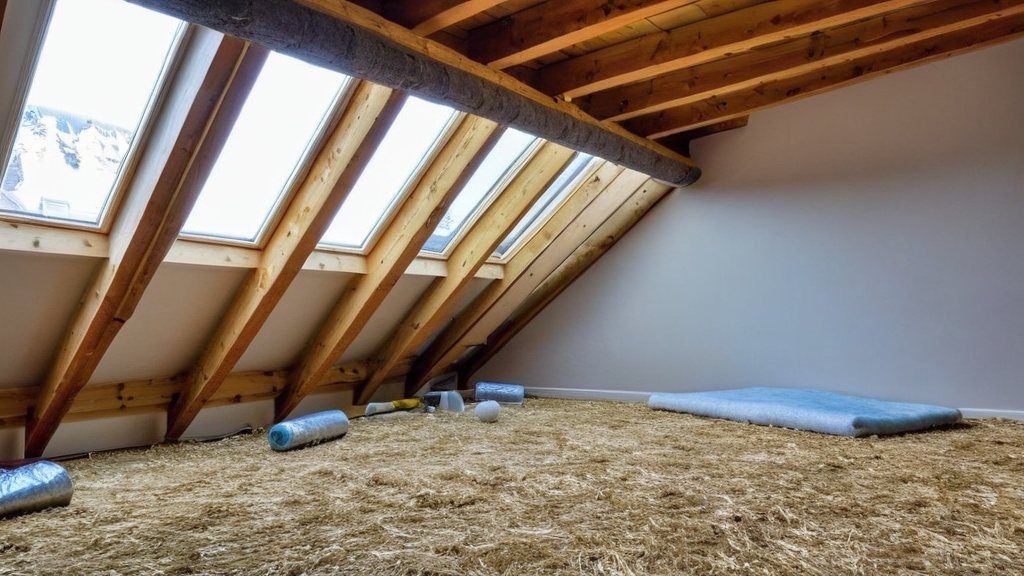
Loft insulation plays a vital role in maintaining a comfortable home environment. It acts as a barrier against heat loss, preventing warm air from escaping during colder months. This not only keeps our living spaces cozy but also reduces the energy required for heating. As we strive to create energy-efficient homes, understanding the importance of loft insulation becomes paramount.
A well-insulated loft can lead to significant savings on energy bills, making it an investment that pays off over time.
In addition to financial benefits, loft insulation contributes to environmental sustainability. Reducing energy consumption lowers our carbon footprint, which is essential in combating climate change. As we become more aware of our impact on the planet, prioritizing loft insulation aligns with our collective goal of creating a greener future. The comfort and savings it provides, combined with its positive environmental impact, highlight why loft insulation should be a priority for homeowners.
When considering ways to enhance the sustainability of your home, insulating your loft is a crucial step. For those looking to further improve their eco-friendly initiatives, you might find it beneficial to explore financing options for renewable energy installations. A related article that delves into this topic is titled “The Pros and Cons of PACE Financing for Solar Panels,” which discusses how Property Assessed Clean Energy (PACE) financing can help homeowners invest in solar energy systems. You can read more about it by following this link: The Pros and Cons of PACE Financing for Solar Panels.
Key Takeaways
- Proper loft insulation is important for energy efficiency and reducing heating costs
- Choose insulation material based on R-value, cost, and environmental impact
- Assess your loft’s insulation needs based on climate, existing insulation, and budget
- Consider DIY installation for cost savings, but professional installation for complex projects
- Proper ventilation is crucial to prevent moisture buildup and maintain air quality
- Maximize energy efficiency by sealing air leaks and insulating ductwork
- Research government grants and incentives to offset the cost of insulation
- Regularly maintain and upgrade loft insulation to ensure optimal performance and energy savings
Choosing the Right Insulation Material
Selecting the appropriate insulation material is crucial for achieving optimal results. Various options are available, each with its unique properties and benefits. Fiberglass insulation remains a popular choice due to its affordability and effectiveness. It offers excellent thermal resistance and is relatively easy to install. However, we must consider factors such as moisture resistance and potential health concerns associated with fiberglass particles.
Another option worth exploring is mineral wool insulation. This material provides excellent fire resistance and soundproofing qualities, making it suitable for those seeking additional benefits beyond thermal insulation. Additionally, we can consider eco-friendly alternatives like cellulose insulation, made from recycled paper products. This option not only performs well but also aligns with our desire for sustainable living. Evaluating the pros and cons of each material allows us to make informed decisions that best suit our needs.
Assessing Your Loft’s Insulation Needs
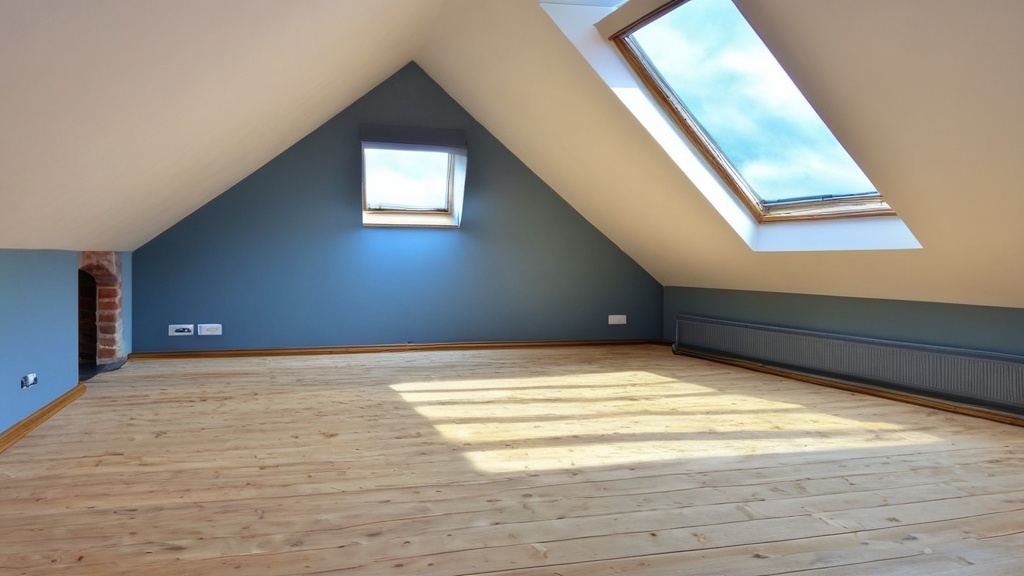
Before proceeding with any insulation project, assessing our loft’s specific needs is essential. Conducting a thorough inspection helps identify areas where heat loss occurs and determines the current state of existing insulation. We should look for gaps, compressed areas, or any signs of moisture damage that may compromise the effectiveness of the insulation.
Measuring the depth of existing insulation provides valuable insight into whether an upgrade is necessary. The recommended depth varies depending on the type of insulation material used and local climate conditions. Understanding these factors allows us to establish a clear plan for improving our loft’s insulation. Taking the time to assess our loft’s needs ensures that we invest in the right solutions tailored to our unique circumstances.
DIY vs Professional Installation
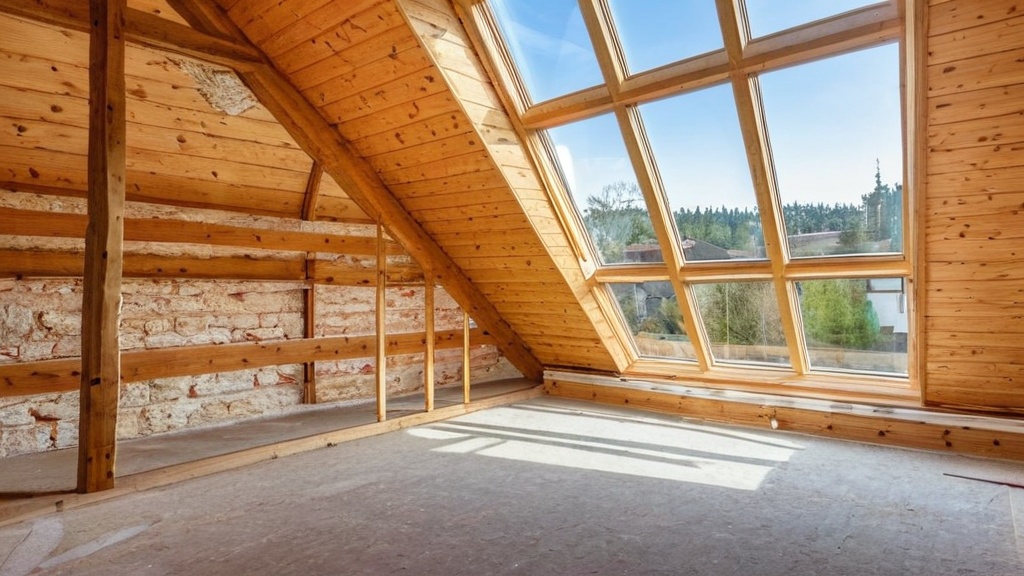
When it comes to installing loft insulation, we face the choice between tackling the project ourselves or hiring professionals. DIY installation can be a rewarding experience, allowing us to save on labor costs while gaining hands-on knowledge about our home. With proper research and preparation, we can successfully complete the installation process. However, we must be aware of potential challenges, such as ensuring safety and adhering to building regulations.
On the other hand, professional installation offers expertise and efficiency that may be difficult to achieve on our own. Experienced contractors possess the skills necessary to handle complex situations and ensure that insulation is installed correctly. While this option may come with a higher upfront cost, the long-term benefits of professional installation often outweigh the initial investment. We must weigh our comfort level with DIY projects against the advantages of hiring experts to make an informed decision.
When considering ways to enhance the sustainability of your home, insulating your loft is a crucial step that can significantly improve energy efficiency. To further explore the principles of sustainable living, you might find it interesting to read about the relationship between zero waste and minimalism. This insightful article provides a deeper understanding of how these concepts can work together to create a more eco-friendly lifestyle. For more information, check out this related article.
Ensuring Proper Ventilation
| Insulation Material | R-Value | Cost | Environmental Impact |
|---|---|---|---|
| Fiberglass | R-3.0 to R-4.0 per inch | Medium | Can be recycled |
| Cellulose | R-3.2 to R-3.8 per inch | Low | Often made from recycled paper |
| Spray Foam | R-6.0 to R-7.0 per inch | High | Can off-gas harmful chemicals |
Proper ventilation in our loft is essential for maintaining a healthy living environment. Insulation can trap moisture, leading to mold growth and structural damage if not adequately ventilated. We must ensure that airflow is sufficient to prevent condensation buildup while still retaining heat during colder months. Installing vents or using breathable membranes can help achieve this balance.
Regularly checking ventilation systems is crucial for long-term effectiveness. Blocked vents or inadequate airflow can compromise the benefits of insulation, leading to increased energy costs and potential health hazards. By prioritizing proper ventilation alongside insulation efforts, we create a healthier home environment that supports both comfort and energy efficiency.
Maximizing Energy Efficiency
Maximizing energy efficiency goes beyond just installing insulation; it involves adopting a holistic approach to home energy management. We can start by sealing gaps around windows and doors to prevent drafts that undermine our insulation efforts. Weatherstripping and caulking are simple yet effective solutions that enhance overall energy performance.
Incorporating energy-efficient appliances and lighting further contributes to reducing energy consumption. By making conscious choices about how we use energy in our homes, we can complement the benefits of loft insulation and create a more sustainable living space. Regularly monitoring energy usage through smart meters or energy audits allows us to identify areas for improvement and track progress over time.
Government Grants and Incentives for Insulation
Many governments offer grants and incentives to encourage homeowners to invest in insulation improvements. These programs aim to promote energy efficiency and reduce overall carbon emissions. Researching available options in our area can uncover financial assistance that makes upgrading loft insulation more accessible.
Incentives may include tax credits, rebates, or low-interest loans specifically designed for energy-efficient home improvements. Taking advantage of these programs not only eases the financial burden but also aligns with broader environmental goals. Engaging with local authorities or energy organizations can provide valuable information about available grants and how to apply for them.
Maintaining and Upgrading Your Loft Insulation
Regular maintenance of loft insulation ensures its continued effectiveness over time. Periodic inspections help identify any issues such as settling or moisture damage that may require attention. Addressing these problems promptly prevents further deterioration and maintains optimal performance.
Upgrading insulation materials as technology advances can lead to even greater energy savings. Newer products may offer improved thermal resistance or eco-friendly options that align with our values. Staying informed about advancements in insulation technology allows us to make proactive decisions about maintaining and enhancing our loft’s insulation over time.
In conclusion, understanding the importance of loft insulation is fundamental for creating an energy-efficient home environment. Choosing the right materials, assessing specific needs, and deciding between DIY or professional installation all contribute to successful outcomes. Ensuring proper ventilation maximizes benefits while government grants provide financial support for improvements. Regular maintenance and upgrades keep our insulation effective in the long run, ultimately leading to a more comfortable and sustainable living space for all of us.
FAQs
1. Why is insulating a loft important for sustainability?
Insulating a loft is important for sustainability because it helps to reduce energy consumption by maintaining a consistent temperature in the home, which in turn reduces the need for heating and cooling. This can lead to lower energy bills and a reduced carbon footprint.
2. What are the benefits of insulating a loft for sustainability?
The benefits of insulating a loft for sustainability include reduced energy consumption, lower energy bills, a more comfortable living environment, and a reduced impact on the environment by lowering carbon emissions.
3. What are the different types of insulation materials that can be used in a loft?
Common types of insulation materials used in lofts include fiberglass, mineral wool, cellulose, and spray foam. Each material has its own advantages and disadvantages in terms of cost, effectiveness, and environmental impact.
4. How can I insulate my loft for sustainability on a budget?
To insulate a loft for sustainability on a budget, consider using recycled or eco-friendly insulation materials, sealing any air leaks, and installing insulation yourself if possible. Additionally, look for any available government incentives or rebates for energy-efficient home improvements.
5. Are there any specific regulations or guidelines for insulating a loft for sustainability?
Specific regulations and guidelines for insulating a loft for sustainability may vary by location. It is important to check with local building codes and regulations, as well as consult with a professional insulation contractor, to ensure that the insulation meets all necessary standards for sustainability and safety.
Enjoying our content? Make us a preferred source on Google.
Add us as a Preferred Source on Google