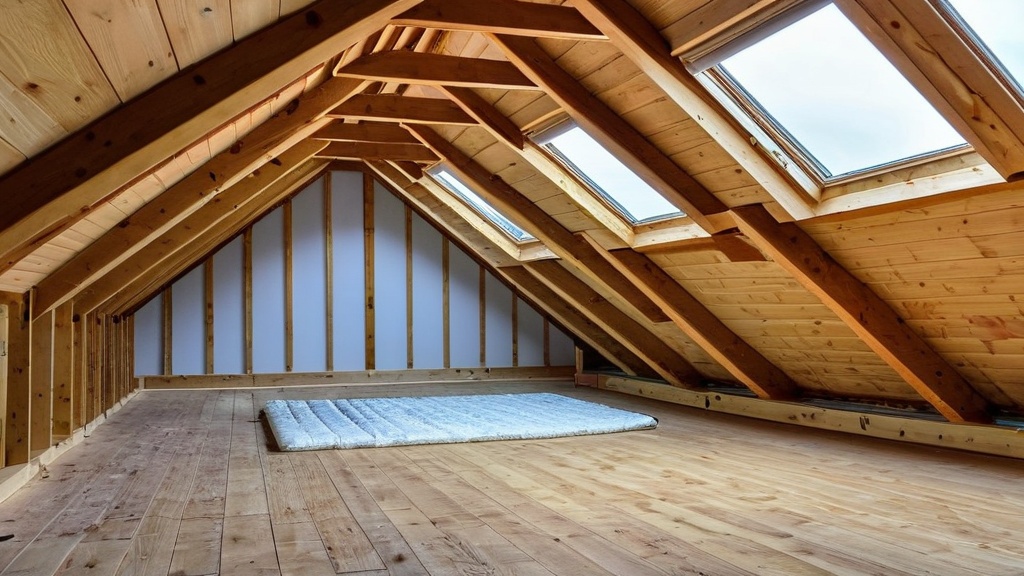
Loft insulation plays a vital role in maintaining a comfortable home environment. It acts as a barrier against heat loss, which can significantly impact energy consumption and heating costs. When we consider that a substantial portion of heat escapes through the roof, it becomes clear why insulating the loft is essential. Proper insulation not only keeps our living spaces warm during the colder months but also contributes to a more energy-efficient home overall.
In addition to energy savings, loft insulation contributes to reducing our carbon footprint. As we strive for more sustainable living practices, every small change counts. Insulating our lofts helps minimize the reliance on heating systems, which in turn lowers greenhouse gas emissions. This collective effort towards sustainability can lead to a healthier planet for future generations. Understanding the importance of loft insulation is the first step in making informed decisions about our homes and their environmental impact.
In addition to exploring effective methods for insulating a loft for sustainability, homeowners may also find it beneficial to consider renewable energy options to further enhance their eco-friendly initiatives. A related article that provides valuable insights on financing solar panels for low-income households can be found at this link. By combining proper insulation with solar energy solutions, individuals can significantly reduce their carbon footprint and energy costs.
Key Takeaways
- Proper loft insulation is important for energy efficiency and reducing heat loss in the home.
- Common types of loft insulation materials include fiberglass, mineral wool, and cellulose.
- Measure the depth and area of your loft to calculate the amount of insulation needed for optimal coverage.
- Hiring a professional for insulation installation ensures proper and efficient coverage, but DIY can be cost-effective for those with experience.
- Insulating your loft not only reduces energy bills but also contributes to sustainable living by reducing carbon emissions.
Types of Loft Insulation Materials
A variety of materials are available for loft insulation, each with its unique properties and benefits. Fiberglass insulation remains one of the most popular choices due to its affordability and effectiveness. It consists of tiny glass fibers that trap air, providing excellent thermal resistance. When we install fiberglass batts or rolls, we can achieve significant energy savings while keeping costs manageable.
Another option is mineral wool, which offers similar thermal performance but adds soundproofing benefits. This material is made from natural or recycled materials and is fire-resistant, making it a safe choice for many homeowners. For those seeking eco-friendly alternatives, sheep’s wool insulation presents an attractive option. It is biodegradable and has excellent moisture-regulating properties, ensuring a healthy indoor environment. Each type of insulation material has its advantages, allowing us to choose the best fit for our specific needs and preferences.
How to Measure and Calculate the Amount of Insulation Needed
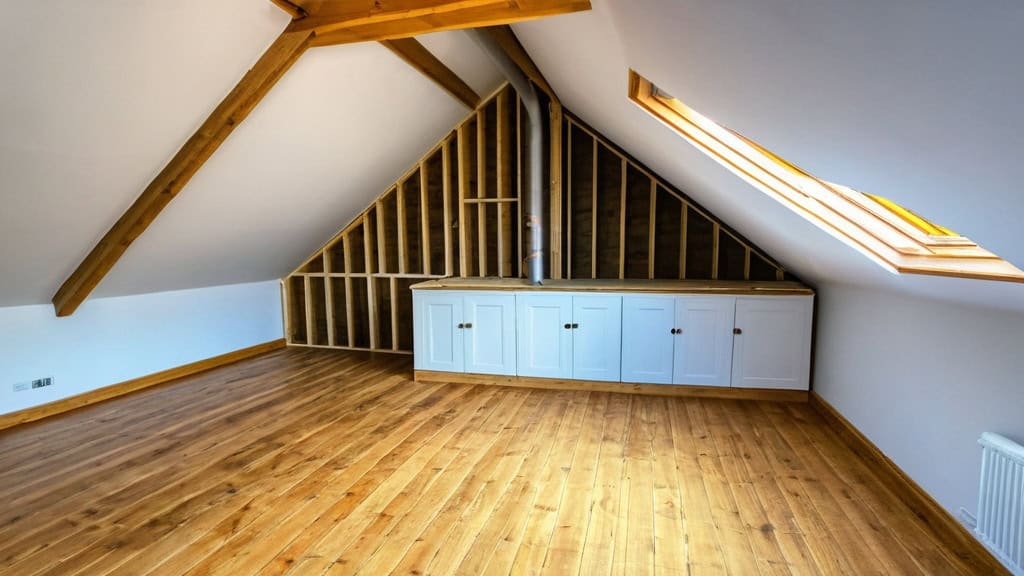
Accurate measurement is crucial when determining how much insulation we need for our loft. First, we should measure the length and width of the loft space to calculate the total area. Multiplying these dimensions gives us the square footage that requires insulation. Next, we must consider the recommended thickness of insulation for our climate zone, which can vary based on local building codes and energy efficiency guidelines.
Once we have the area and thickness in mind, we can use these figures to calculate the total volume of insulation required. For instance, if we need to achieve a thickness of 200mm across a 50 square meter area, we would require 10 cubic meters of insulation material. Taking the time to measure accurately ensures that we purchase the right amount of insulation, preventing waste and saving money in the long run.
When it comes to insulating our lofts, we face the choice between hiring a professional or tackling the project ourselves. Engaging a professional can provide peace of mind, as they possess the expertise and experience necessary to ensure proper installation. They can assess our specific needs and recommend suitable materials while adhering to safety standards and building regulations. This option may come with a higher upfront cost but often results in better long-term performance.
On the other hand, opting for a DIY approach can be rewarding and cost-effective. With some research and preparation, we can successfully insulate our lofts ourselves. Many resources are available online, offering step-by-step guides and tips for installation. However, we must be aware of potential challenges, such as working in confined spaces or dealing with existing electrical wiring and plumbing. Weighing the pros and cons of each option allows us to make an informed decision that aligns with our skills and budget.
Benefits of Insulating Your Loft for Sustainable Living
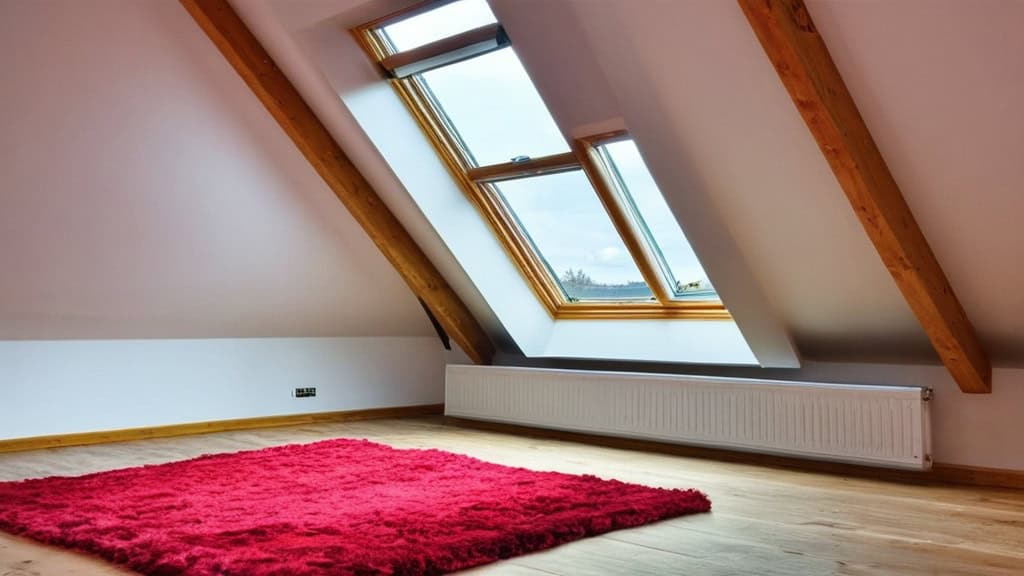
Insulating our lofts offers numerous benefits that extend beyond mere comfort and energy savings. One significant advantage lies in its contribution to sustainable living practices. As we reduce our energy consumption through effective insulation, we decrease our reliance on fossil fuels for heating. This shift not only lowers utility bills but also supports global efforts to combat climate change.
Furthermore, proper loft insulation enhances indoor air quality by preventing drafts and moisture buildup. A well-insulated space maintains consistent temperatures, reducing the likelihood of mold growth and other issues associated with poor ventilation. This creates a healthier living environment for us and our families. Investing in loft insulation aligns with our commitment to sustainability while promoting overall well-being within our homes.
If you’re interested in enhancing your home’s energy efficiency, you might find it beneficial to explore the various methods of insulating a loft for sustainability. A well-insulated loft can significantly reduce energy consumption and lower heating costs. For further insights on sustainable practices, check out this informative article on sustainable living, which offers a wealth of tips and strategies to create an eco-friendly home environment.
Tips for Properly Installing Loft Insulation
| Insulation Material | R-Value | Cost | Environmental Impact |
|---|---|---|---|
| Fiberglass | R-3.0 to R-4.0 per inch | Medium | Can be made from recycled materials |
| Cellulose | R-3.2 to R-3.8 per inch | Low | Often made from recycled paper |
| Spray Foam | R-6.0 to R-7.0 per inch | High | Can off-gas harmful chemicals |
| Rigid Foam Board | R-4.0 to R-8.0 per inch | High | Can be difficult to recycle |
Successful installation of loft insulation requires careful planning and execution. First, we should prepare the loft space by clearing out any debris or obstacles that may hinder the process. Ensuring proper ventilation is essential during installation to prevent moisture buildup and maintain air quality. Wearing appropriate safety gear, such as gloves and masks, protects us from potential irritants associated with certain insulation materials.
When laying down insulation batts or rolls, it is crucial to fit them snugly between joists without compressing them. Compression reduces their effectiveness by limiting their ability to trap air. We should also pay attention to any gaps or spaces where heat may escape, ensuring a continuous layer of insulation throughout the loft area. Taking these steps will help us achieve optimal thermal performance and maximize the benefits of our insulation investment.
Maintaining and Upgrading Your Loft Insulation
Regular maintenance of loft insulation is essential for ensuring its long-term effectiveness.
Over time, factors such as settling or moisture can compromise its performance.
Periodically inspecting the insulation allows us to identify any issues early on, such as dampness or pest infestations that may require attention. Addressing these problems promptly helps maintain optimal energy efficiency in our homes.
Upgrading insulation may become necessary as technology advances or as our energy efficiency goals evolve. Newer materials may offer improved thermal performance or eco-friendliness compared to older options. When considering an upgrade, we should evaluate our current insulation’s condition and effectiveness before making any decisions. Staying informed about advancements in insulation technology enables us to make choices that align with our sustainability objectives.
Government Incentives and Grants for Loft Insulation
Many governments recognize the importance of energy efficiency and offer incentives for homeowners who invest in loft insulation. Grants or rebates may be available to help offset installation costs, making it more accessible for us to improve our homes’ energy performance. Researching local programs can uncover valuable opportunities that align with our goals for sustainable living.
In addition to financial incentives, some regions provide free assessments or consultations to help us understand our insulation needs better. These programs often aim to raise awareness about energy efficiency while encouraging homeowners to take action.
Engaging with these initiatives not only benefits us financially but also contributes to broader efforts toward reducing energy consumption on a community level.
In conclusion, understanding loft insulation’s importance allows us to make informed decisions about improving our homes’ energy efficiency and sustainability. With various materials available, accurate measurement techniques, and options for professional installation or DIY projects, we can tailor our approach to fit our needs and preferences. The benefits extend beyond comfort; they encompass healthier living environments and reduced carbon footprints as well. By maintaining our insulation and exploring government incentives, we can continue to enhance our homes while contributing positively to the planet’s future.
FAQs
1. Why is insulating a loft important for sustainability?
Insulating a loft is important for sustainability because it helps to reduce energy consumption by maintaining a consistent temperature in the home, which in turn reduces the need for heating and cooling. This can lead to lower energy bills and a reduced carbon footprint.
2. What are the benefits of insulating a loft for sustainability?
The benefits of insulating a loft for sustainability include reduced energy consumption, lower energy bills, a more comfortable living environment, and a reduced impact on the environment by lowering carbon emissions.
3. What are the different types of insulation materials that can be used in a loft?
Common types of insulation materials used in lofts include fiberglass, mineral wool, cellulose, and spray foam. Each material has its own advantages and disadvantages in terms of cost, effectiveness, and environmental impact.
4. How can I insulate my loft for sustainability on a budget?
To insulate a loft for sustainability on a budget, consider using recycled or eco-friendly insulation materials, sealing any air leaks, and installing insulation yourself if possible. Additionally, look for any available government grants or incentives for energy-efficient home improvements.
5. Are there any potential challenges or considerations when insulating a loft for sustainability?
Some potential challenges when insulating a loft for sustainability include ensuring proper ventilation, preventing moisture buildup, and addressing any existing issues such as mold or pests. It’s important to consider these factors and consult with a professional if needed to ensure a successful and sustainable insulation project.
Enjoying our content? Make us a preferred source on Google.
Add us as a Preferred Source on Google