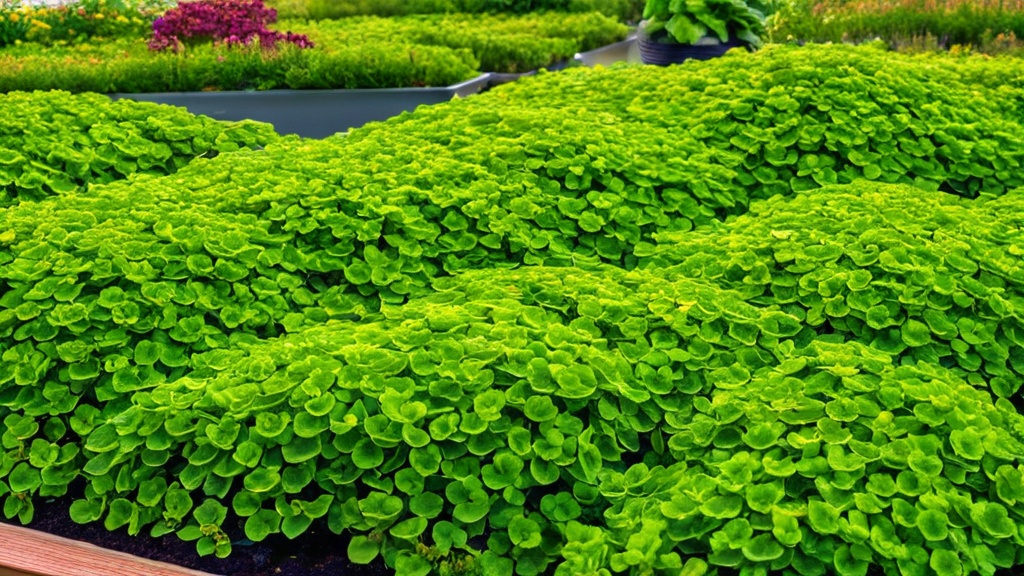
Green roofs represent a remarkable fusion of architecture and nature, transforming urban spaces into vibrant ecosystems. These innovative structures consist of a layer of vegetation planted on a rooftop, providing numerous environmental and aesthetic benefits. As urbanization continues to expand, the need for sustainable solutions becomes increasingly pressing. Green roofs not only contribute to biodiversity but also help mitigate the effects of climate change by absorbing rainwater, reducing heat, and improving air quality.
The concept of green roofs has gained traction in recent years, particularly in densely populated areas where green spaces are limited. Various types of green roofs exist, ranging from extensive systems that require minimal maintenance to intensive systems that can support a wider variety of plants and even small trees. Each type serves a unique purpose and can be tailored to fit specific environmental conditions and aesthetic preferences.
Understanding the different types of green roofs allows us to appreciate their versatility and potential impact on urban living.
If you’re interested in enhancing your green roof with the best plant selections for UK climates, you might also find value in exploring eco-friendly daily routines that can complement your sustainable gardening efforts.
For more insights on how to incorporate eco-friendly practices into your everyday life, check out this article on here. By integrating both green roofing and eco-friendly laundry practices, you can create a more sustainable environment.
Maintenance Tips for Green Roof Plants
Plant Name Climate Suitability Water Requirements Soil Conditions Sedum spurium Adaptable to various climates Low Well-draining Sempervivum tectorum Thrives in UK climates Low Well-draining Armeria maritima Well-suited to coastal climates Low to moderate Sandy or loamy Thymus serpyllum Adaptable to various climates Low Well-draining Maintaining green roof plants requires a proactive approach to ensure their health and vitality. Regular inspections play a crucial role in identifying any issues early on. Checking for signs of pests or diseases allows us to address problems before they escalate, ensuring that plants remain robust and thriving. Additionally, monitoring soil moisture levels helps us determine when irrigation is necessary, particularly during dry spells.
Weeds can pose a challenge on green roofs, competing with desired plants for resources. Implementing a regular weeding schedule helps keep unwanted species at bay while promoting healthy growth among chosen plants. Mulching can also be beneficial, as it suppresses weed growth and retains moisture in the soil. With consistent care and attention, we can create an environment where green roof plants flourish.
If you’re interested in enhancing your green roof with the best plants suited for UK climates, you might also find it useful to explore how seasonal changes can impact energy efficiency in your home. A related article discusses the effects of daylight savings on energy consumption, which can be particularly relevant for homeowners looking to optimize their living spaces. You can read more about it here.
How to Create a Sustainable Green Roof Ecosystem
Establishing a sustainable ecosystem on a green roof involves more than just planting vegetation; it requires thoughtful planning and design. Incorporating diverse plant species enhances biodiversity and creates habitats for various organisms. A mix of flowering plants, grasses, and sedums can attract pollinators while providing food sources for birds and insects.
Water management plays a vital role in sustainability as well. Implementing a rainwater harvesting system can help collect runoff from the roof, providing an additional water source for irrigation during dry periods. This practice not only conserves water but also reduces reliance on municipal supplies. Creating a self-sustaining ecosystem fosters resilience against climate fluctuations while promoting environmental stewardship.
Common Mistakes to Avoid When Choosing Green Roof Plants
Several pitfalls can hinder the success of a green roof if not carefully considered. One common mistake involves selecting non-native plants that may struggle to adapt to local conditions. While exotic species may seem appealing, they often require more maintenance and resources than native varieties. Prioritizing native plants ensures that we choose species well-suited to our climate while supporting local wildlife.
Another frequent error involves underestimating the importance of soil depth when selecting plants. Choosing species that require deeper soil profiles for their root systems can lead to poor growth or even plant failure on extensive green roofs with limited soil depth. Conducting thorough research on plant requirements helps us avoid this mistake and promotes healthier plant communities.
Future Trends in Green Roof Planting for UK Climates
As awareness of environmental issues continues to grow, future trends in green roof planting are likely to evolve in exciting ways. One emerging trend involves integrating technology into green roof design and maintenance. Smart irrigation systems equipped with sensors can monitor soil moisture levels and adjust watering schedules accordingly, optimizing water usage while promoting plant health.
Another trend focuses on increasing biodiversity through the use of more varied plant selections. As urban areas become more densely populated, creating habitats for wildlife becomes increasingly important. Future green roofs may incorporate a wider range of native species, fostering ecosystems that support pollinators and other beneficial organisms. This shift towards biodiversity not only enhances the aesthetic appeal of green roofs but also contributes positively to urban ecology.
In conclusion, understanding green roofs reveals their potential as vital components of sustainable urban living in the UK. The benefits they offer extend beyond aesthetics, contributing to stormwater management and energy efficiency while promoting biodiversity. Careful consideration when selecting plants ensures that we create thriving ecosystems that enhance our urban environments for generations to come. As we look towards the future, embracing innovative practices will allow us to maximize the impact of green roofs in our communities.
FAQs
What are green roof plants?
Green roof plants are specially selected plants that are able to thrive in the unique conditions of a green roof, such as shallow soil, exposure to wind and sun, and potential water scarcity. These plants are chosen for their ability to provide insulation, reduce stormwater runoff, and create habitat for wildlife.
What are the top green roof plants for UK climates?
Some of the top green roof plants for UK climates include sedum varieties, such as Sedum acre, Sedum album, and Sedum reflexum, as well as other low-growing, drought-tolerant plants like thyme, mosses, and grasses. These plants are well-suited to the cooler, wetter conditions of the UK and are able to thrive on green roofs.
What are the benefits of using green roof plants in the UK?
Using green roof plants in the UK can provide numerous benefits, including reducing energy costs by providing insulation, improving air quality by capturing pollutants, reducing stormwater runoff by absorbing and slowing the flow of rainwater, and creating habitat for birds, insects, and other wildlife in urban areas.
How do green roof plants contribute to sustainability in the UK?
Green roof plants contribute to sustainability in the UK by helping to mitigate the urban heat island effect, reducing the demand for air conditioning in buildings, and promoting biodiversity in urban environments. They also help to reduce the overall environmental impact of buildings by improving energy efficiency and reducing stormwater runoff.
What are the key considerations for selecting green roof plants for UK climates?
When selecting green roof plants for UK climates, it is important to consider factors such as the local climate, including temperature, rainfall, and wind exposure, as well as the specific requirements of the green roof, such as soil depth and weight restrictions. It is also important to choose plants that are low-maintenance and able to withstand the conditions of a green roof.
Enjoying our content? Make us a preferred source on Google.
Add us as a Preferred Source on Google