

Are you concerned about the impact of your energy use on the environment? Do you want to reduce your carbon footprint and save money on your energy bills at the same time? If so, you should consider installing solar panels on your home.
Solar panels provide a clean and renewable source of energy that can significantly reduce your reliance on traditional fossil fuels. By harnessing the power of the sun, you can help to protect the planet and save money in the process.
But what exactly are the environmental benefits of solar panels? How are they made, and what materials are used in their construction? In this article, we’ll explore the impact of solar panels on the environment and why every home should consider them.
We’ll examine the manufacturing process of solar panels and compare their environmental footprint to that of traditional energy sources. We’ll also look at the financial benefits of using solar power in your home, so you can make an informed decision about whether solar panels are right for you.
So, let’s dive in and learn more about the environmental impact of solar panels.
The Materials Used in Solar Panels
The components utilized in creating photovoltaic cells are a crucial aspect to investigate. Solar panels are composed of various materials, including silicon, glass, and metal.
Silicon is the primary material used in solar panels, and it’s known for its exceptional ability to convert sunlight into electricity.
Glass is used to cover the solar cells, allowing sunlight to enter while protecting them from damage.
Metal, typically aluminum, is used for framing and support.
When it comes to the environmental impact of solar panels, the materials used are an essential consideration. The good news is that most of the materials used in solar panels can be recycled, reducing waste and conserving resources.
Silicon, for example, can be recycled up to 90%. Glass and metal can also be recycled, but it’s essential to ensure that the recycling process is done correctly to prevent any environmental harm.
Another aspect to consider is the toxicity levels of the materials used in solar panels. Fortunately, most of the materials used in solar panels are not toxic. Silicon, for instance, is non-toxic and is commonly found in sand and rocks.
However, some materials, such as cadmium telluride, are potentially hazardous. Still, the concentration of these materials is generally low, and the panels are designed to prevent leaching into the environment.

[HIGH DRIVING EFFICIENCY] This solar light control panel features high driving efficiency and long discharge time, providing a superior user experience.
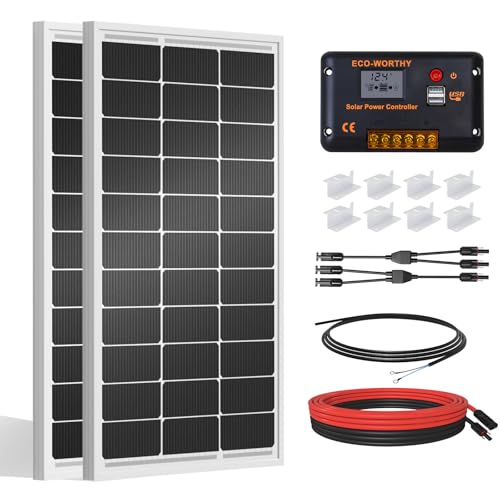
[Wide Application]: Daily Output 800wh/day under 4 hours full sunshine condition. Perfect for RV, Caravan, Marine, Camper, Electric scooter, Golf Carts, Power wheels, Trolling motor, Tool trailer, Backup power supply for cabin shed home etc.

【Accurate power】All data are actually measured under the condition that the solar light is sufficient. In full sunlight, the voltage will be higher than 2V.
The Manufacturing Process of Solar Panels
Creating solar panels involves a complex manufacturing process that utilizes advanced technology and specialized materials. The manufacturing process begins with the production of solar cells, which are made from silicon wafers. These wafers are then coated with a layer of phosphorus and another layer of boron, which creates a positive and negative charge.
Once the cells are assembled, they are then connected to form a solar panel. Despite the many benefits of solar panels, their production and disposal can have a negative impact on the environment. The manufacturing process requires a significant amount of energy, and the materials used to create solar panels can be harmful if not properly disposed of.
However, solar panel waste management and recycling initiatives have been implemented to reduce the environmental impact of solar panels. Many companies now offer recycling programs for solar panels, which can help reduce the amount of waste generated by solar panel production. In addition to recycling initiatives, advancements in solar panel technology have also helped reduce their environmental impact.
Newer panels are more efficient, meaning fewer panels are needed to generate the same amount of energy. This not only reduces the amount of materials needed to create the panels but also reduces the amount of waste generated at the end of their lifespan. As a homeowner, considering solar panels for your home not only benefits you but also helps support a more sustainable future for our planet.
Solar Panels vs. Traditional Energy Sources
Are you tired of paying high electricity bills and relying on traditional energy sources? Solar panels may be the solution you’re looking for.
One of the biggest benefits of solar panels is their cost efficiency. While the initial installation cost may be high, it’s important to consider the long-term savings. With solar panels, you’ll be generating your own energy, reducing your reliance on the grid and lowering your bills.
In addition to cost savings, solar panels are also more energy efficient than traditional energy sources. Traditional energy sources like coal and gas require a lot of energy to extract, transport, and refine. In contrast, the manufacturing process of solar panels is much more energy efficient, with most solar panels paying back their energy costs within two years of installation.
This means that every kilowatt-hour of energy generated by solar panels has a smaller carbon footprint compared to traditional energy sources.
Overall, if you’re looking for a more cost-effective and environmentally friendly way to power your home, solar panels are the way to go. By generating your own energy, you’ll be reducing your reliance on the grid and lowering your bills over time. Plus, with their energy efficiency and smaller carbon footprint, you’ll be doing your part to reduce your impact on the environment.
So why not consider solar panels for your home today?


【Efficient Performance】This Starter Kit can generate an average of 500Wh of electricity per day (varies with sunlight). The solar panel boasts a 22.5% cell efficiency, 1.3% higher than other counterparts. Each panel dispatched from our facility undergoes 100% EL testing, ensuring that your panel is completely free from any hidden cracks.

Portable Generator with 60W Solar Panel Included: with a big battery pack, ZeroKor 300W solar powered generator are powerful enough to charge smartphones,tablets,laptops,headphones or other outdoor small camping supplies(Tips:Using electrical appliances over 300W may damage the portable solar generator, especially some devices that are prone to heat or built-in air compressor such as coffee maker,Hair dryer, water pump etc )
The Environmental Footprint of Solar Panels
If you’re searching for a way to reduce your carbon footprint and contribute to a cleaner planet, switching to solar energy might be a good option. One of the biggest advantages of solar panels is their low environmental impact. Unlike traditional energy sources, solar panels don’t produce greenhouse gases or contribute to air pollution. This means that by using solar energy, you’re not only saving money on your energy bills, but you’re also helping to reduce the negative impact of human activity on the environment.
Another important factor to consider when it comes to the environmental impact of solar panels is their end-of-life disposal. While solar panels have a long lifespan, eventually they will need to be replaced. Fortunately, solar panels are made from materials that can be recycled, including glass, aluminum, and silicon. This means that when your solar panels reach the end of their life, they can be broken down and reused to create new solar panels or other products. Recycling options for solar panels are becoming more widely available, making it easier to dispose of them responsibly.
In addition to their low environmental impact and recycling options, solar panels also have a positive impact on the environment by reducing the demand for energy from traditional sources. By generating your own energy from solar panels, you’re reducing the demand for energy from power plants that rely on fossil fuels. This means less carbon dioxide and other pollutants are released into the atmosphere.
Overall, the environmental benefits of solar panels make them a compelling option for anyone looking to reduce their impact on the planet.

Multiple Compatibility:Perfect solar power kit for variety of off grid applications like shed, cabin, gate opener, etc where 12V batteries is used, as well as to charge and maintain AGM, Flooded, GEL, Deep Cycle and Seal Lead Acid, etc batteries in car, Rv, boat, marine, trailer, camper, pump etc.

High-Efficiency Monocrystalline Silicon: The 100W solar panel uses premium monocrystalline silicon cells, providing up to 30% higher efficiency than ordinary silicon, ensuring maximum power output even in low-light environments

[ Package Content ] 5PC 5Voltage 200mA Polycrystalline Solar Panels with Wire
The Benefits of Solar Power for Homeowners
Switching to solar power can bring significant cost savings and energy independence to homeowners. Installing solar panels on your roof means generating your own electricity, which can help you reduce your energy bills and save money in the long run.
Furthermore, by generating your own energy, you become less dependent on the grid, which means you’re protected from any fluctuations in energy prices.
Apart from the financial benefits, solar power also offers environmental benefits. By generating your own energy, you’re reducing your carbon footprint and contributing to a cleaner environment. Solar panels don’t emit greenhouse gases and don’t pollute the air, making them an ideal option for those who want to live a greener lifestyle.
With solar power, you’re not only saving money but also contributing to a sustainable future.
In addition to the financial and environmental benefits, solar panels also increase the value of your home. Studies have shown that homes with solar panels sell faster and for more money than those without. This means that by investing in solar power, you’re making a smart long-term investment that will not only benefit you but also benefit future homeowners.
So, if you’re looking to save money, become energy independent, and contribute to a cleaner environment, consider switching to solar power today.
Conclusion
So, now that you’ve learned about the materials and manufacturing process involved in producing solar panels, as well as their environmental impact and benefits, you may be wondering if they’re worth it for your home.
The answer is a resounding yes! Not only will you be doing your part to reduce your carbon footprint and help the environment, but you’ll also be saving money on your energy bills in the long run.
By investing in solar panels, you’re making a smart and sustainable choice for your home and the planet.
So why not take the first step towards a cleaner and more efficient energy source today? Contact a reputable solar panel installation company and start reaping the benefits of solar power for your home.
Enjoying our content? Make us a preferred source on Google.
Add us as a Preferred Source on Google