
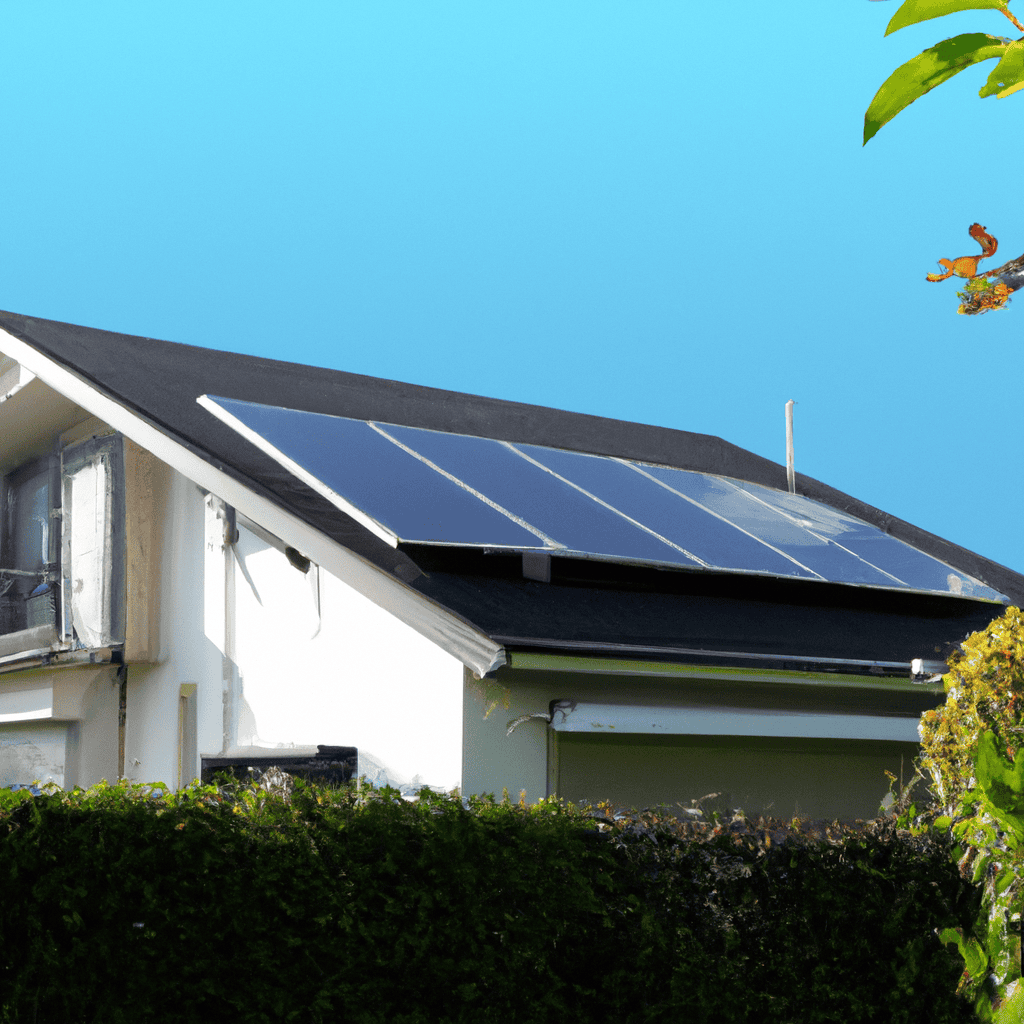
As the world continues to grapple with the effects of climate change, renewable energy solutions have become increasingly popular. Among these solutions, solar energy has gained significant traction due to its ability to reduce carbon footprints and lower energy bills. However, many people wonder if solar panels can power a home on their own.
In this article, we will explore the technology behind solar panels, their capacity for powering a home, and the benefits of investing in solar power.
Solar panels are devices that convert sunlight into electricity. They are made up of photovoltaic cells that absorb sunlight and convert it into direct current (DC) electricity. This electricity is then converted into alternating current (AC) electricity, which can be used to power homes and businesses.
The technology behind solar panels has improved significantly over the years, making them more efficient and cost-effective. As a result, solar energy has become a viable alternative to traditional energy sources such as coal and natural gas.
In this article, we will delve into the technical aspects of solar panel technology and explore its potential for powering homes.
Renewable Energy Solutions
Renewable energy solutions have become increasingly popular due to rising energy prices and a greater awareness of the need to go green. Solar energy has emerged as a favored option for powering homes and buildings through the use of photovoltaic cells that convert sunlight into electricity.
Off-grid living has become a viable option for those who want to be self-sufficient and reduce their carbon footprint by relying solely on alternative energy sources. Solar panels have proven to be an efficient and reliable source of renewable energy, providing an opportunity for homeowners to generate their own electricity and reduce their reliance on the grid.
Solar panel technology has come a long way, with advances in solar technologies making it possible for solar panels to produce electricity in countries with less sunlight, like the UK. With the production of 250-400 watts of electricity per panel, a solar system consisting of 8-12 panels can produce between 2,450-3,000 kilowatt hours (kWh) per year.
Although solar panels cannot harvest energy during the hours of darkness, any energy produced during daylight hours can be saved in battery storage for later use. With the financial benefits of installing solar panels becoming more apparent, it is no surprise that more homeowners are making the switch to solar power and alternative energy sources.


Portable Generator with 60W Solar Panel Included: with a big battery pack, ZeroKor 300W solar powered generator are powerful enough to charge smartphones,tablets,laptops,headphones or other outdoor small camping supplies(Tips:Using electrical appliances over 300W may damage the portable solar generator, especially some devices that are prone to heat or built-in air compressor such as coffee maker,Hair dryer, water pump etc )
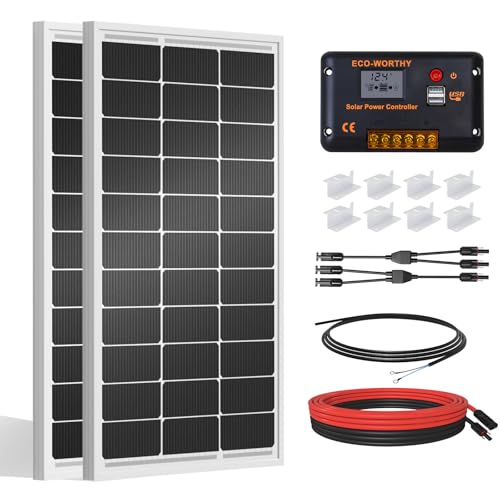
[Wide Application]: Daily Output 800wh/day under 4 hours full sunshine condition. Perfect for RV, Caravan, Marine, Camper, Electric scooter, Golf Carts, Power wheels, Trolling motor, Tool trailer, Backup power supply for cabin shed home etc.
Solar Panel Technology
Photovoltaic cells capture photons to generate electricity that can be transformed into usable energy for residential or commercial use. With advancements in solar technology, the efficiency of solar cells has drastically improved, allowing for greater energy production with fewer panels.
Some of the latest developments in solar panel technology include:
- Thin-film solar cells that are more flexible and lightweight than traditional silicon solar cells.
- Bifacial solar panels that can capture sunlight from both sides, increasing their energy production.
- Perovskite solar cells that have the potential to be cheaper and more efficient than traditional solar cells.
- Concentrated solar panels that use lenses or mirrors to focus sunlight onto a small area, which can increase energy production.
As solar panel technology continues to improve, it has become a more viable option for powering homes and businesses. With the ability to store excess energy in battery systems, homeowners can rely on solar power even during non-daylight hours. Additionally, the financial benefits of investing in solar panels have become more attractive, with the potential for full payback on the initial investment and significant reductions in energy bills.

【UL Certified & 25% High Efficiency】UL61730 certified. A+ grade monocrystalline cells with 16BB, 182mm full-cell, EL tested.This 425W solar panel reduces power loss and delivers up to 25% efficiency for reliable, durable performance.

【High-Power N-Type 16BB Cell Technology】Built with advanced N-Type monocrystalline cells and a 16BB busbar architecture, this Callsun 450W solar panel delivers higher energy yield, lower degradation, and improved long-term stability compared to traditional P-Type modules. Designed for high-power solar arrays, it helps maximize output per panel and reduce the total number of modules required in large rooftop and off-grid systems.

【200W N-Type 16BB High Efficiency】Built with advanced N-type monocrystalline cells and 16BB busbar technology, the Callsun 200 watt solar panel delivers up to 25.6% conversion efficiency. N-type cells provide excellent power generation and reliability, while the 16BB design helps reduce hot spots and microcrack risks for dependable long-term performance.
Solar Power for Homes
The use of alternative energy solutions has become increasingly popular, particularly in residential and commercial buildings. Solar power, in particular, has become a viable option for homeowners looking to reduce their energy bills and carbon footprint.
While solar panels cannot power a home on their own, they can certainly contribute to a significant portion of a household’s energy consumption. Most solar systems are connected to the grid and work in a complementary manner, allowing homeowners to access additional electricity when needed. However, with the right battery storage options, homeowners can maximize the efficiency of their solar panels by storing excess energy produced during daylight hours for use during peak hours or when the sun is not shining.
In addition to providing cost savings, solar power also offers environmental benefits. By reducing reliance on energy from the grid, households can reduce their carbon footprint and contribute to a more sustainable future.
To maximize the efficiency of solar panels, homeowners should also consider reducing their energy consumption by switching to less power-hungry appliances and living a less tech-heavy lifestyle. Overall, solar power offers a viable alternative to traditional energy sources and presents a valuable investment opportunity for homeowners looking to reduce their energy bills and contribute to a more sustainable future.


Maintenance Free: Manufactured with thick absorbent Glass Mat (AGM) seperators and advanced valve regulated technology, Renogy deep cycle agm batteries save you from acid leakage and frequent maintenance..Batteries Required:no

Easy Installation – DALY 12V 24V BMS automatically detects 4S 5S 6S 7S 8S lithium battery pack with no manual setup required. Space-saving and easy to install, supports parallel connection for capacity expansion.
Environmental Benefits
Reducing reliance on traditional energy sources and transitioning to alternative options like solar power is essential for mitigating the environmental impacts of energy consumption.
The environmental benefits of solar power are numerous, with the most notable being the reduction of carbon footprint. Solar power produces clean energy, eliminating the need for traditional fossil fuel sources that release harmful greenhouse gases into the atmosphere. By reducing the demand for non-renewable energy, we can reduce our carbon footprint and slow down the progression of climate change.
Another significant benefit of solar power is the potential for net metering. Excess electricity generated by solar panels can be transferred back to the grid, allowing homeowners to receive monetary compensation for their energy on their energy bills.
This financial incentive is a great way to encourage the use of solar power and make it a more viable option for households. By reducing our reliance on traditional energy sources and embracing solar power, we can make a significant impact on the environment while also enjoying the monetary benefits of net metering.
Enjoying our content? Make us a preferred source on Google.
Add us as a Preferred Source on Google