Gaining insight into our energy consumption serves as the foundation for making informed decisions about reducing costs and minimizing environmental impact. We often overlook the details of our energy bills, which can reveal patterns and areas for improvement. Analyzing these statements allows us to identify peak usage times and specific appliances that contribute most to our overall consumption. By tracking our energy habits, we can pinpoint opportunities for change and set realistic goals for reduction.
Monitoring our energy usage can be achieved through various methods. Smart meters provide real-time data, allowing us to see how much energy we consume at any given moment. Alternatively, we can keep a log of our daily activities and the appliances we use, which helps us understand our habits better. With this knowledge, we can make conscious choices about when and how we use energy, ultimately leading to more sustainable living practices.
For apartment dwellers looking to enhance their living spaces while being mindful of energy consumption, incorporating eco-friendly practices can make a significant difference. One such practice is creating a natural air freshener, which not only improves indoor air quality but also reduces reliance on chemical-laden products. You can learn how to make your own stylish and simple natural air freshener by visiting this article on DIY reed diffusers. Check it out here: com/diy-reed-diffusers-a-stylish-and-simple-natural-air-freshener/’>DIY Reed Diffusers: A Stylish and Simple Natural Air Freshener.
Key Takeaways
- Understanding your energy usage is the first step to making changes in your apartment.
- Insulating your apartment can help reduce energy usage and keep your home comfortable.
- Using energy efficient appliances can significantly lower your energy bills.
- Maximizing natural light can reduce the need for artificial lighting and save energy.
- Unplugging electronics when not in use can prevent energy wastage.
Insulating your apartment
Proper insulation plays a vital role in maintaining a comfortable living environment while reducing energy costs. Insulation acts as a barrier against heat loss in winter and heat gain in summer, allowing us to maintain a stable indoor temperature without over-relying on heating or cooling systems. Evaluating the insulation in our apartments can reveal areas that need improvement, such as gaps around windows, doors, and even walls.
Investing in quality insulation materials can yield long-term benefits. Options like foam board, spray foam, or fiberglass batts can significantly enhance thermal performance. Sealing drafts with weatherstripping or caulking can further improve efficiency. As we take these steps, we not only create a more comfortable space but also contribute to reducing our carbon footprint by lowering energy consumption.
Using energy efficient appliances
Choosing energy-efficient appliances represents a smart investment for both our wallets and the environment. Appliances with the ENERGY STAR label meet strict efficiency guidelines set by the U.S. Environmental Protection Agency. These products consume less energy while delivering the same performance as their less efficient counterparts. When we replace outdated appliances with modern, energy-efficient models, we often notice a significant decrease in our utility bills.
In addition to saving money, using energy-efficient appliances reduces greenhouse gas emissions associated with electricity generation. Dishwashers, refrigerators, washing machines, and dryers are just a few examples of appliances that have seen substantial advancements in efficiency. As we make informed choices about the appliances we bring into our homes, we contribute to a more sustainable future while enjoying the benefits of lower energy costs.
Maximizing natural light
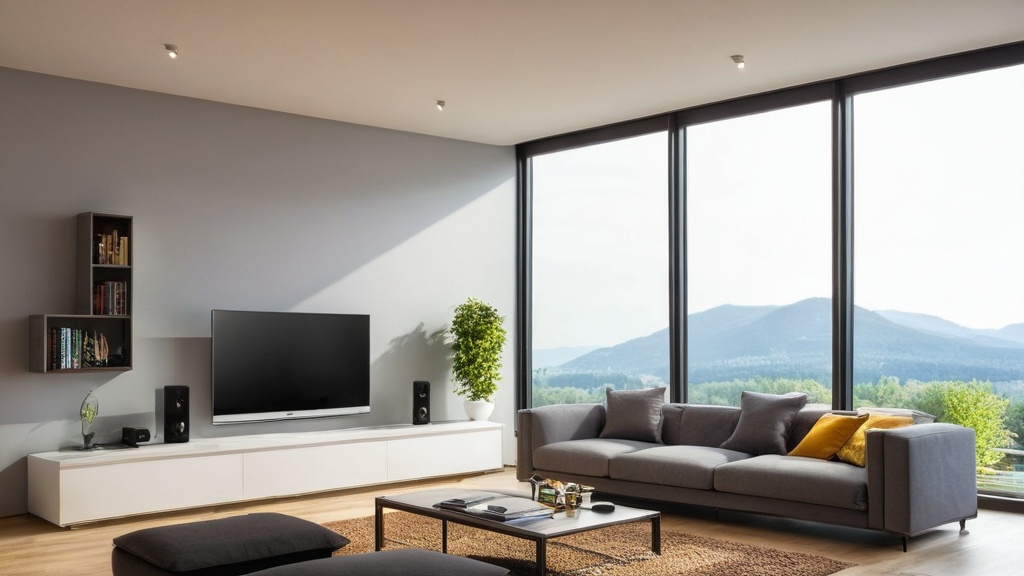
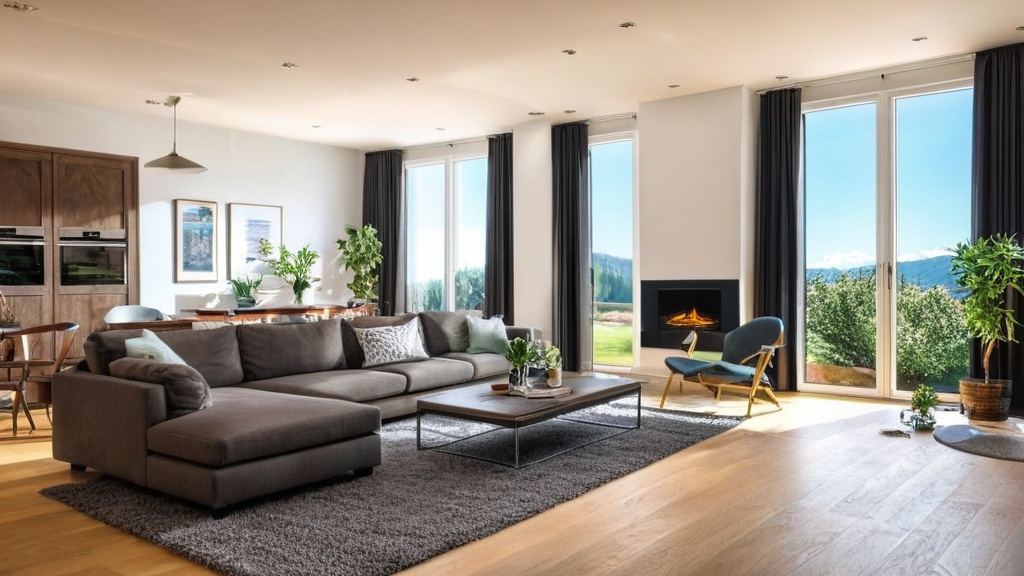
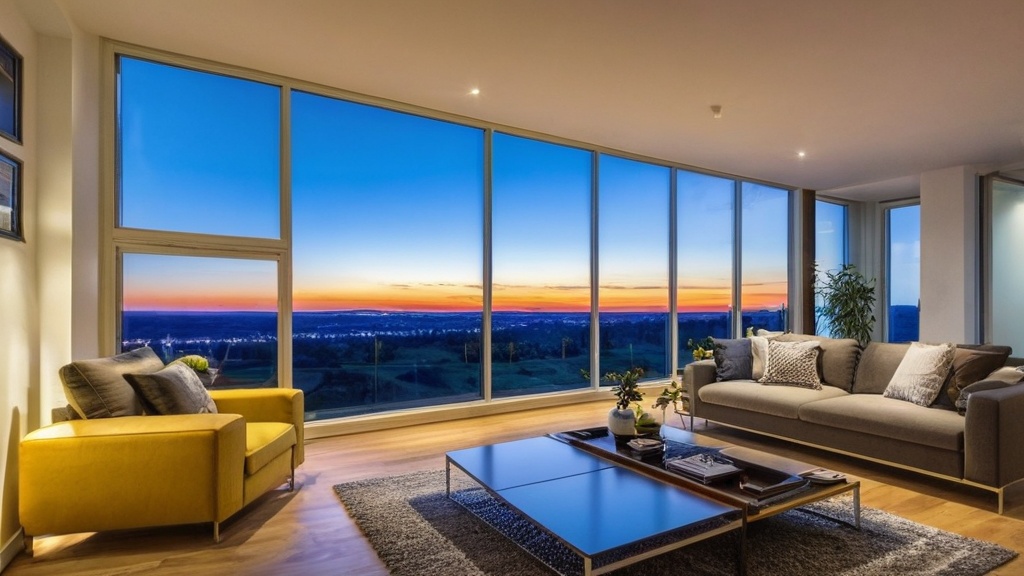
Harnessing natural light can transform our living spaces while reducing reliance on artificial lighting. Strategically placing mirrors and using light-colored decor can help reflect sunlight throughout our apartments, creating a brighter atmosphere without additional energy consumption. Opening curtains and blinds during daylight hours allows sunlight to flood in, providing warmth and illumination.
Incorporating skylights or larger windows can further enhance natural light exposure. These architectural features not only brighten our homes but also create a sense of openness and connection to the outdoors. As we prioritize natural light in our design choices, we reduce the need for electric lighting during the day, leading to lower energy usage and a more inviting living environment.
For apartment dwellers looking to reduce their energy consumption, exploring various strategies can be incredibly beneficial. One insightful resource that complements energy-saving tips is an article on eco-conscious lifestyle choices, which provides practical advice on living sustainably in smaller spaces. By implementing these strategies, residents can not only lower their utility bills but also contribute to a healthier planet. To learn more about these eco-friendly practices, you can read the full article solar panels.
Adjusting your thermostat
Thermostat settings play a crucial role in managing energy consumption within our homes. Lowering the thermostat during winter months and raising it during summer can lead to substantial savings on heating and cooling costs. A difference of just a few degrees can significantly impact our energy bills while still maintaining comfort levels.
Investing in a programmable or smart thermostat allows us to automate temperature adjustments based on our schedules. These devices can learn our habits and adjust settings accordingly, ensuring that we only use energy when necessary. By taking control of our thermostat settings, we create a more efficient home environment while enjoying the benefits of reduced energy costs.
Using energy saving light bulbs
Switching to energy-saving light bulbs represents an easy yet effective way to reduce electricity usage. Compact fluorescent lamps (CFLs) and light-emitting diodes (LEDs) consume significantly less energy than traditional incandescent bulbs while providing the same level of brightness. Making this simple change can lead to substantial savings over time.
In addition to lower energy consumption, energy-saving bulbs have longer lifespans compared to their incandescent counterparts. This means fewer replacements and less waste over time. As we replace old bulbs with more efficient options, we contribute to a more sustainable future while enjoying the benefits of reduced electricity bills.
Conserving water usage
Water conservation plays an essential role in promoting sustainability within our homes. Simple changes in our daily routines can lead to significant reductions in water usage. For instance, turning off the tap while brushing teeth or taking shorter showers can save gallons of water each day. Installing low-flow fixtures in sinks and showers further enhances our efforts by reducing water flow without sacrificing performance.
In addition to conserving water indoors, being mindful of outdoor water usage is equally important. Watering plants during cooler parts of the day minimizes evaporation loss, ensuring that plants receive adequate moisture without wasting resources. As we adopt these practices, we contribute to preserving this precious resource while lowering utility bills associated with water consumption.
In conclusion, understanding and managing our energy usage requires a multifaceted approach that encompasses various strategies for improvement. From insulating our apartments to adopting energy-efficient appliances and maximizing natural light, each step contributes to a more sustainable lifestyle. By unplugging electronics when not in use, adjusting thermostat settings, using energy-saving light bulbs, and conserving water, we create a positive impact on both our finances and the environment. Embracing these practices not only enhances our living spaces but also fosters a sense of responsibility towards future generations.
FAQs
1. What are some simple energy-saving tips for apartment dwellers?
Some simple energy-saving tips for apartment dwellers include using LED light bulbs, unplugging electronics when not in use, using energy-efficient appliances, and sealing any drafts around windows and doors.
2. How can apartment dwellers reduce their energy usage when it comes to heating and cooling?
Apartment dwellers can reduce their energy usage for heating and cooling by using a programmable thermostat, keeping curtains and blinds closed during hot days, and using fans to circulate air instead of relying solely on air conditioning.
3. What are some ways apartment dwellers can save energy in the kitchen?
Apartment dwellers can save energy in the kitchen by using the microwave or toaster oven for small meals instead of the oven, using lids on pots and pans to retain heat, and using energy-efficient appliances.
4. How can apartment dwellers save water and energy in the bathroom?
Apartment dwellers can save water and energy in the bathroom by taking shorter showers, using low-flow showerheads and faucets, and fixing any leaks in the plumbing.
5. Are there any other energy-saving tips specifically for apartment dwellers?
Other energy-saving tips for apartment dwellers include using power strips to easily turn off multiple electronics at once, using natural light during the day, and being mindful of energy usage when doing laundry.
Enjoying our content? Make us a preferred source on Google.
Add us as a Preferred Source on Google