Passive cooling represents a fundamental approach to maintaining comfortable indoor temperatures without relying on mechanical systems. This method leverages natural elements such as air movement, sunlight, and thermal mass to regulate heat. We recognize that the design and orientation of a building play a vital role in how effectively passive cooling can be implemented. For instance, positioning windows and openings to capture prevailing breezes can significantly enhance airflow throughout a space.
In addition to airflow, passive cooling strategies often involve the careful selection of materials and architectural features. High thermal mass materials, such as concrete or brick, can absorb heat during the day and release it at night, helping to stabilize indoor temperatures. Understanding the local climate and seasonal variations allows us to tailor our designs to maximize the benefits of passive cooling. By integrating these principles into our building designs, we can create comfortable environments that minimize energy consumption and reduce reliance on air conditioning.
If you’re looking for additional ways to create a comfortable living environment during the hot summer months, you might find it helpful to explore the article on DIY laundry detergent recipes for sensitive skin. Not only does it provide eco-friendly cleaning solutions, but it also emphasizes the importance of maintaining a healthy home atmosphere, which complements the strategies discussed in “How to Passively Cool Your Home in Summer.
” You can read more about it here:
We can incorporate materials with high thermal mass, such as concrete or stone, into our building designs to help regulate indoor temperatures.
During the day, these materials absorb excess heat from sunlight, preventing it from raising indoor temperatures too high. As night falls and temperatures drop, thermal mass releases stored heat back into the space, creating a more stable environment.
The strategic placement of thermal mass elements is essential for maximizing their effectiveness. We can position these materials in areas that receive direct sunlight during the day while ensuring they are insulated from cooler nighttime air. This careful consideration allows us to harness the natural properties of thermal mass to create comfortable living spaces without relying heavily on mechanical heating or cooling systems.
If you’re looking for effective ways to keep your home cool during the summer months, you might also find it beneficial to explore strategies for minimizing your overall environmental impact. A related article discusses various methods to reduce your carbon footprint at home, which can complement your efforts in passive cooling. By implementing these eco-friendly practices, you can create a more sustainable living environment while enjoying a comfortable temperature. For more insights, check out the article on how to reduce your carbon footprint at home.
Choosing Reflective Roofing Materials
| Passive Cooling Method | Description |
|---|---|
| Shading | Using trees, awnings, or curtains to block direct sunlight from entering the home. |
| Cross Ventilation | Opening windows on opposite sides of the house to allow for natural airflow. |
| Insulation | Installing insulation in the walls, attic, and roof to keep the home cool. |
| Roof Ventilation | Adding vents or fans to the roof to release hot air and reduce heat buildup. |
| Night Cooling | Opening windows at night to let in cooler air and closing them during the day to trap the cool air inside. |
Reflective roofing materials serve as an effective strategy for reducing heat absorption in buildings. When we select roofing materials with high solar reflectance, we minimize the amount of heat transferred into our homes. Light-colored or reflective surfaces can significantly lower roof temperatures, which in turn reduces the overall heat load on the building.
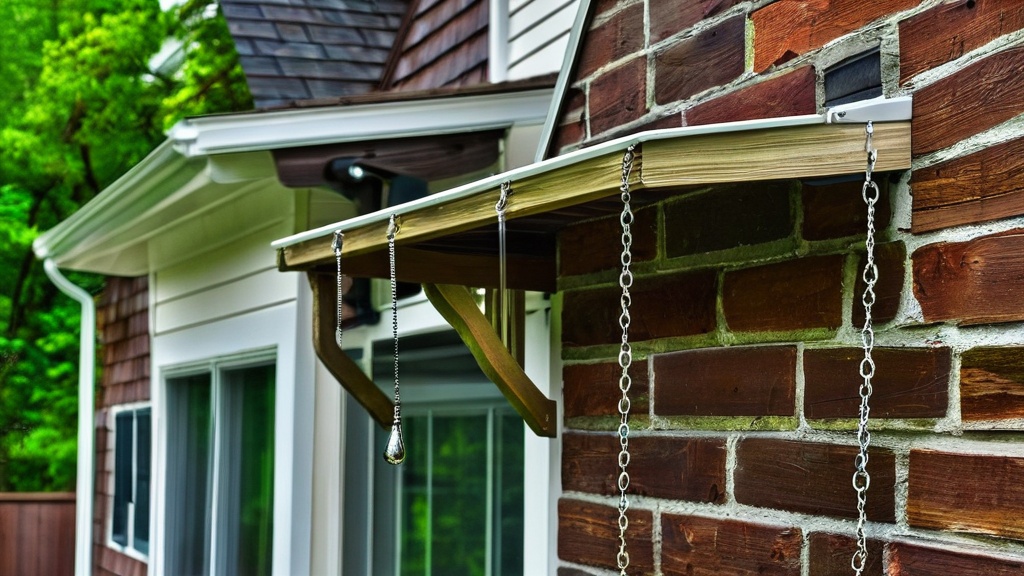
In addition to choosing reflective materials, proper roof design can further enhance cooling efficiency. Roof overhangs can provide shade for walls and windows, reducing solar gain while protecting roofing materials from direct sunlight. By combining reflective roofing with thoughtful architectural design, we create a more energy-efficient building that remains comfortable throughout the year.
If you’re looking for additional ways to enhance your home’s sustainability while keeping it cool during the summer months, you might find inspiration in a related article that discusses innovative uses for recycled materials. For instance, the article on pioneers using 100% recycled bottle caps showcases creative methods that not only benefit the environment but can also contribute to a more eco-friendly living space. You can read more about it here.

HIGH VISIBILITY: Made with premium 3M Scotchlite reflective material (USA origin), this reflective fabric tape helps improve visibility at night and in low-light conditions. Highly reflective when illuminated by headlights and other light sources.

HIGHLY REFLECTIVE: Made with genuine 3M Scotchlite fabric, providing exceptional brightness to help you or your creations be seen by drivers from over 600ft. Perfect for enhancing safety during night-time running, cycling, walking, or other low-light activities.

High Brightness & High Visibility : Made of high-quality polyester reflective material with strong reflective performance, providing excellent visibility at night and in low-light environments, effectively improving safety for outdoor sports, work and daily use.
Installing Energy-Efficient Windows
Energy-efficient windows play a vital role in passive cooling strategies. We can select windows with low-emissivity (low-E) coatings that reflect infrared light while allowing visible light to enter. This feature helps reduce heat gain during hot months while maintaining natural daylighting within our spaces. Additionally, double or triple-glazed windows provide better insulation than single-pane options, further enhancing energy efficiency.
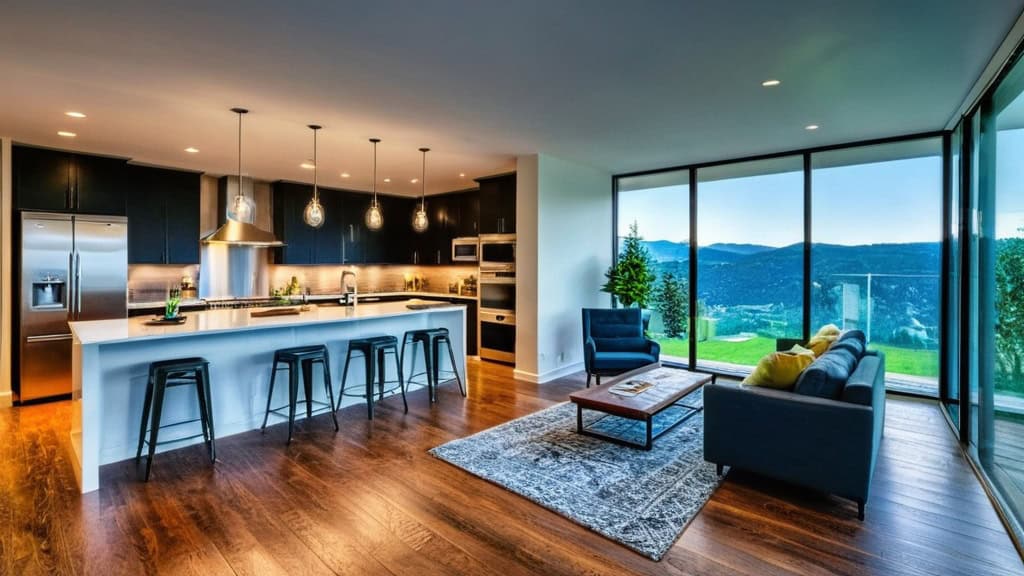
Window placement is equally important for maximizing passive cooling benefits. Strategically positioning windows to capture cross-ventilation and natural breezes allows us to create a comfortable indoor environment without relying on mechanical systems. Incorporating operable windows enables us to control airflow based on changing weather conditions, ensuring optimal comfort throughout the year.
Utilizing Landscaping for Cooling
Landscaping offers an opportunity to enhance passive cooling through strategic plant placement and design. We can create shaded areas around our homes by planting trees or installing green roofs that provide insulation and reduce heat absorption. The shade provided by vegetation not only cools outdoor spaces but also helps lower indoor temperatures by blocking direct sunlight from hitting walls and windows.
Incorporating water features such as ponds or fountains can further enhance cooling effects through evaporation. As water evaporates, it cools the surrounding air, creating a more pleasant microclimate around our homes. Thoughtful landscaping not only contributes to passive cooling but also enhances the aesthetic appeal of our properties while promoting biodiversity.
Implementing Smart Home Design for Passive Cooling
Smart home design integrates technology with passive cooling strategies to optimize energy efficiency and comfort. We can utilize smart thermostats that learn our preferences and adjust indoor temperatures accordingly, minimizing energy consumption while maintaining comfort levels. Automated window shades or blinds can respond to sunlight intensity, providing shade when needed without requiring manual intervention.
Incorporating sensors that monitor indoor air quality allows us to maintain optimal ventilation levels while minimizing energy use. These systems can automatically open or close windows based on temperature and humidity levels, ensuring a continuous flow of fresh air without compromising comfort. By embracing smart home technology alongside passive cooling principles, we create living spaces that are not only energy-efficient but also responsive to our needs and preferences.
In conclusion, passive cooling represents a holistic approach to creating comfortable living environments while minimizing energy consumption. By understanding the principles of passive cooling and implementing strategies such as maximizing natural ventilation, utilizing shade and insulation, incorporating thermal mass, choosing reflective roofing materials, installing energy-efficient windows, utilizing landscaping for cooling, and implementing smart home design, we can create spaces that thrive in harmony with their surroundings. Through thoughtful design and strategic planning, we contribute to a sustainable future while enjoying the benefits of comfortable indoor climates year-round.
FAQs
1. What are some passive cooling techniques for homes in the summer?
Passive cooling techniques for homes in the summer include shading windows with curtains or blinds, using reflective roof materials, and creating cross-ventilation by opening windows strategically.
2. How can landscaping help with passive cooling in the summer?
Strategic landscaping with trees and shrubs can provide shade to the home, reduce the heat absorbed by the building, and create a cooler microclimate around the property.
3. What role do insulation and ventilation play in passive cooling?
Proper insulation helps keep the home cool by reducing heat transfer, while effective ventilation allows for the movement of air, promoting cooling airflow throughout the home.
4. Are there specific building materials that can aid in passive cooling?
Using materials with high thermal mass, such as stone or concrete, can help regulate indoor temperatures by absorbing and releasing heat slowly, contributing to passive cooling.
5. How can the use of fans and natural light contribute to passive cooling?
Ceiling fans and portable fans can help circulate air and create a cooling breeze, while maximizing natural light through windows can reduce the need for artificial lighting and heat-generating appliances.
Enjoying our content? Make us a preferred source on Google.
Add us as a Preferred Source on Google