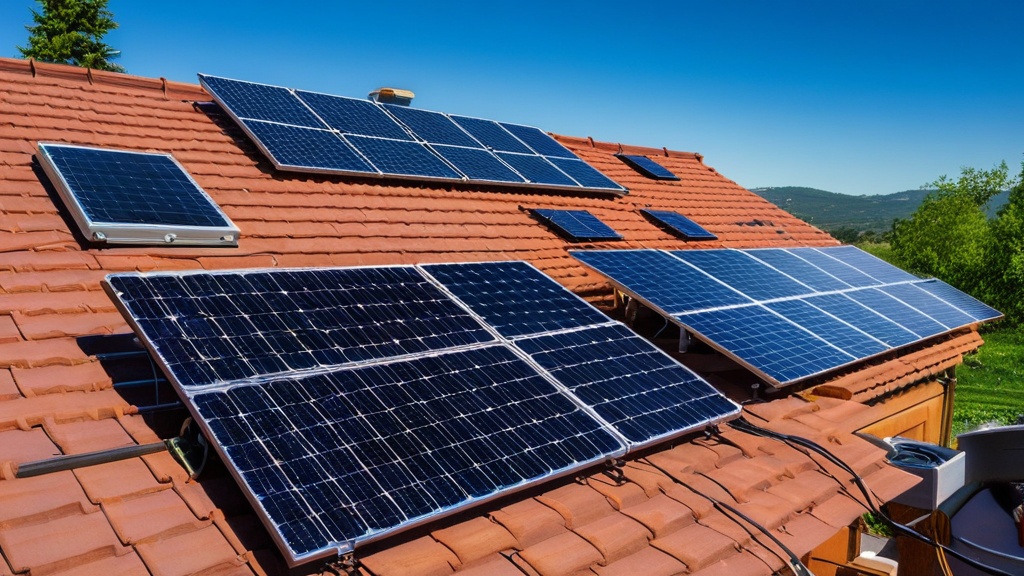
Solar power harnesses energy from the sun, converting it into electricity through photovoltaic cells. These cells, typically made from silicon, absorb sunlight and generate direct current (DC) electricity. An inverter then transforms this DC electricity into alternating current (AC), which powers our homes and businesses. The process is not only efficient but also environmentally friendly, as it produces no harmful emissions during operation. As we become more aware of climate change and the need for sustainable energy sources, solar power stands out as a viable solution.
The benefits of solar power extend beyond environmental considerations. Financial savings represent a significant advantage for homeowners who invest in solar energy systems. Once installed, solar panels can drastically reduce or even eliminate electricity bills. Many states offer incentives, such as tax credits and rebates, making the initial investment more manageable. Additionally, solar power increases property value, as homes equipped with solar energy systems often attract buyers looking for energy-efficient features. As we explore solar power further, it becomes clear that this renewable energy source offers both ecological and economic advantages.
For those interested in sustainable living, the article “Is It Worth Going Zero Waste?” provides valuable insights that complement the concepts discussed in DIY Solar Power: A Practical Guide. This resource explores the benefits and challenges of adopting a zero-waste lifestyle, which aligns with the principles of harnessing solar energy to reduce one’s carbon footprint. To read more about this eco-friendly approach, visit Is It Worth Going Zero Waste?.
Key Takeaways
- Solar power works by converting sunlight into electricity through solar panels, providing a clean and renewable energy source with benefits such as reducing electricity bills and lowering carbon footprint.
- Assessing your home’s solar potential involves considering factors like roof orientation, shading, and local climate to determine if it is suitable for solar power installation.
- When choosing solar panels, consider factors such as efficiency, durability, and warranty to select the best option for your specific energy needs and budget.
- DIY installation of solar panels involves steps like mounting the panels, connecting the electrical components, and ensuring proper wiring and grounding for safety and efficiency.
- Connecting to the grid allows you to sell excess energy back to the utility company through net metering, providing potential savings and contributing to the overall energy grid.
Assessing Your Solar Potential: Determining If Your Home Is Suitable for Solar Power
Before committing to a solar energy system, assessing the suitability of our homes is essential. Factors such as roof orientation, shading, and local climate play a crucial role in determining solar potential. Ideally, roofs should face south or southwest to maximize sunlight exposure throughout the day. A professional solar assessment can help identify any obstructions, such as trees or nearby buildings, that may cast shadows on the panels. Understanding these elements allows us to make informed decisions about solar installation.
Local climate conditions also influence solar potential. Regions with abundant sunshine will yield better results than areas with frequent cloud cover or heavy rainfall. However, even in less sunny locations, advancements in solar technology have made it possible to generate electricity efficiently. Evaluating our energy consumption patterns is another critical step in this assessment process. By analyzing past utility bills, we can determine our energy needs and how much solar power we may require to offset those costs effectively.
Choosing the Right Solar Panels: A Guide to Selecting the Best Option for Your Needs
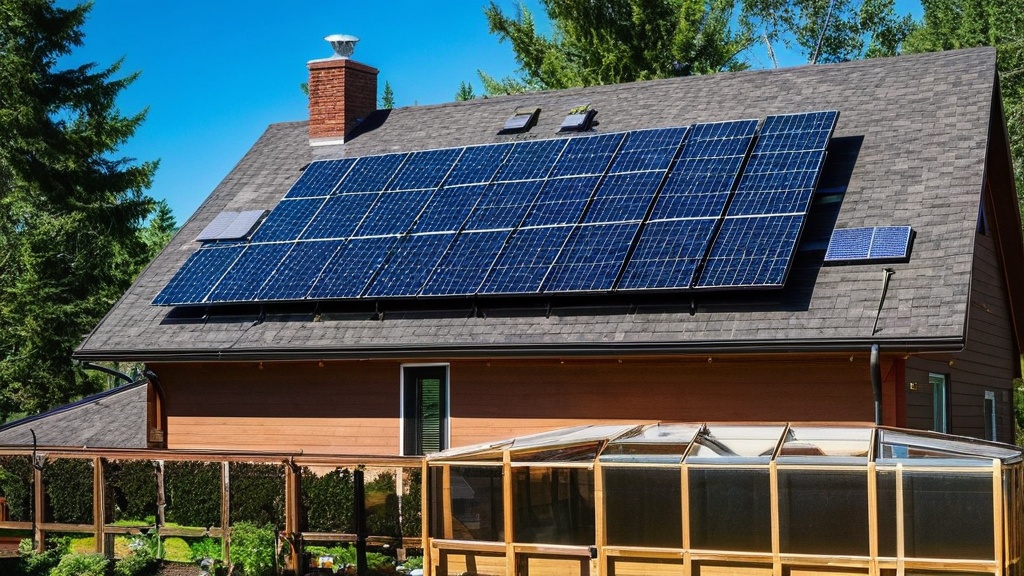
Selecting the appropriate solar panels involves understanding the various types available on the market. Monocrystalline panels are known for their high efficiency and sleek appearance, making them a popular choice among homeowners. Polycrystalline panels offer a more budget-friendly option while still providing decent efficiency levels.
Thin-film panels, although less common, can be advantageous in specific applications due to their lightweight and flexible nature.
Evaluating efficiency ratings and warranties is crucial when choosing solar panels. Higher efficiency ratings indicate that a panel can convert more sunlight into electricity, which can be particularly beneficial for homes with limited roof space. Warranties provide peace of mind, ensuring that our investment is protected over time. Researching reputable manufacturers and reading customer reviews can help us make informed decisions about which panels best suit our needs.
Installing Solar Panels: Step-by-Step Instructions for DIY Installation
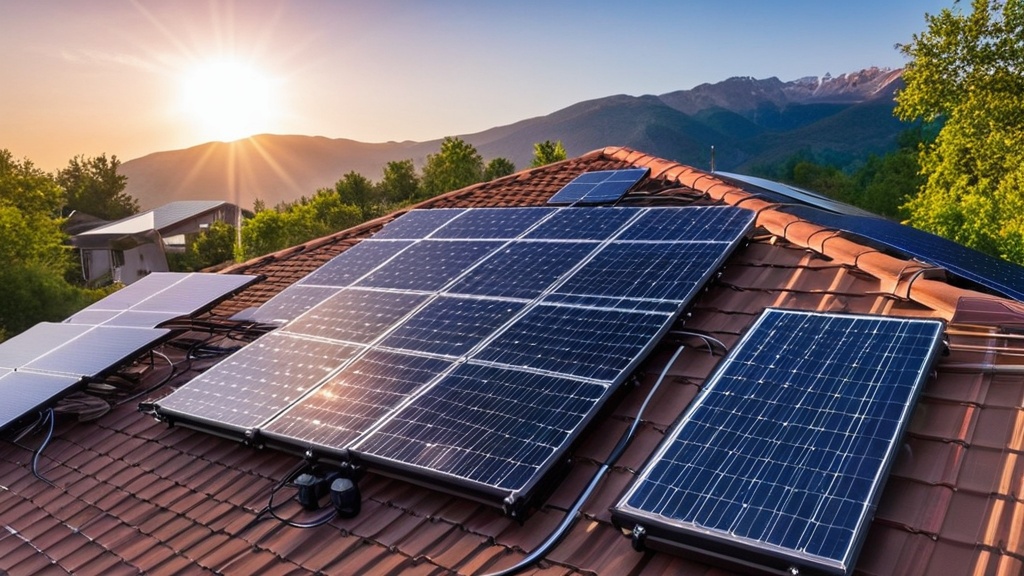
Installing solar panels can be a rewarding project for those willing to take on the challenge. First, we must gather all necessary materials and tools, including solar panels, mounting hardware, an inverter, and electrical wiring. Safety gear is essential during installation to protect ourselves from potential hazards.
The installation process begins with mounting the solar panels on the roof or ground. Proper alignment and secure fastening are vital to ensure stability and optimal performance. Next, we connect the panels to the inverter, which will convert the generated DC electricity into usable AC electricity. Wiring must be done carefully to avoid any electrical issues. Finally, connecting the system to our home’s electrical panel completes the installation process. Following local building codes and regulations is crucial throughout this project to ensure compliance and safety.
For those interested in harnessing solar energy, DIY Solar Power: A Practical Guide offers valuable insights into setting up your own solar system. To complement this guide, you might find it helpful to explore an article that discusses the financial aspects of solar energy, specifically how much solar panel installation costs. Understanding these costs can greatly influence your decision-making process as you embark on your solar journey. You can read more about it in this informative piece on solar panel installation costs.
Connecting to the Grid: Understanding Net Metering and Selling Excess Energy
| Chapter | Topic | Metrics |
|---|---|---|
| 1 | Introduction to Solar Power | Basic concepts, benefits |
| 2 | Solar Panel Installation | Roof mounting, ground mounting |
| 3 | System Components | Panel, inverter, battery |
| 4 | System Sizing | Calculating energy needs, panel capacity |
| 5 | Wiring and Connections | Series, parallel connections |
Once our solar panels are installed and operational, connecting to the grid becomes an important step in maximizing our investment. Net metering allows us to receive credit for any excess energy generated by our solar system that is fed back into the grid. This arrangement benefits both homeowners and utility companies by promoting renewable energy use while providing financial incentives.
Understanding local regulations regarding net metering is essential for optimizing our solar energy system’s performance. Some states offer favorable net metering policies that allow homeowners to receive full retail credit for excess energy produced. Others may have different compensation structures or limits on how much energy can be sold back to the grid. Familiarizing ourselves with these policies ensures we can take full advantage of our solar investment.
If you’re exploring sustainable living options, you might find the article on scented beeswax wraps to be an interesting complement to your DIY solar power project. These wraps offer a natural alternative to conventional air fresheners, aligning perfectly with eco-friendly practices. You can read more about it in this insightful piece on scented beeswax wraps, which highlights how small changes can contribute to a greener lifestyle.
Maintaining Your Solar Panels: Tips for Keeping Your System Running Efficiently
Regular maintenance of solar panels is vital for ensuring their longevity and efficiency. Cleaning the panels periodically helps remove dirt, dust, and debris that can obstruct sunlight absorption. Depending on local weather conditions, we may need to clean our panels every few months or at least once a year. Using a soft brush or sponge with mild soap and water can effectively remove grime without damaging the surface.
Monitoring system performance is another critical aspect of maintenance. Many modern solar systems come equipped with monitoring software that tracks energy production and alerts us to any issues that may arise. Keeping an eye on these metrics allows us to address potential problems promptly, ensuring our system operates at peak efficiency.
Expanding Your Solar Power System: Adding Battery Storage and Other Upgrades
As our energy needs evolve, expanding our solar power system may become necessary. Adding battery storage allows us to store excess energy generated during sunny days for use during nighttime or cloudy periods. This capability enhances energy independence and provides backup power during outages.
Exploring other upgrades can further improve our solar system’s performance. Investing in smart home technology can optimize energy consumption by automatically adjusting usage based on real-time data from our solar panels. Upgrading inverters or adding additional panels can also increase overall efficiency and output, ensuring we meet our growing energy demands.
Financing Your Solar Project: Exploring Rebates, Tax Credits, and Financing Options
Financing a solar project requires careful consideration of available options to make it more affordable. Many states offer rebates and tax credits that significantly reduce upfront costs for homeowners investing in solar energy systems. Researching local incentives can help us identify potential savings that make solar installation more accessible.
Various financing options exist for those who prefer not to pay upfront costs entirely.
Solar loans allow us to spread payments over time while still benefiting from immediate energy savings.
Leasing options provide an alternative for those who wish to enjoy solar power without ownership responsibilities. Understanding these financing avenues empowers us to make informed decisions about how best to invest in solar energy for our homes.
In conclusion, embracing solar power represents a significant step toward sustainable living while offering numerous benefits for homeowners. By understanding how solar power works, assessing our homes’ suitability, selecting the right panels, installing them correctly, connecting to the grid, maintaining our systems, expanding capabilities, and exploring financing options, we position ourselves to harness the sun’s energy effectively. As we move forward in this endeavor, we contribute not only to our financial well-being but also to a cleaner environment for future generations.
FAQs
What is DIY solar power?
DIY solar power refers to the process of building and installing solar power systems without professional help. This can include purchasing solar panels, inverters, and other necessary components, and assembling and installing them on your own property.
What are the benefits of DIY solar power?
DIY solar power can be a cost-effective way to reduce energy bills and decrease reliance on traditional energy sources. It also allows for customization of the solar power system to fit specific energy needs and property requirements.
What are the basic components needed for DIY solar power?
The basic components needed for DIY solar power include solar panels, a charge controller, an inverter, batteries (for off-grid systems), mounting hardware, and wiring. Additionally, tools such as a drill, ladder, and wrenches may be necessary for installation.
What are the considerations for installing DIY solar power?
Considerations for installing DIY solar power include assessing the property for adequate sunlight exposure, determining energy needs, obtaining necessary permits and approvals, and ensuring safety measures are in place during installation.
Are there any potential challenges with DIY solar power?
Some potential challenges with DIY solar power include the initial investment cost, the complexity of system design and installation, and the need for ongoing maintenance and monitoring. Additionally, navigating local regulations and building codes can be a challenge for DIY solar power projects.
Enjoying our content? Make us a preferred source on Google.
Add us as a Preferred Source on Google