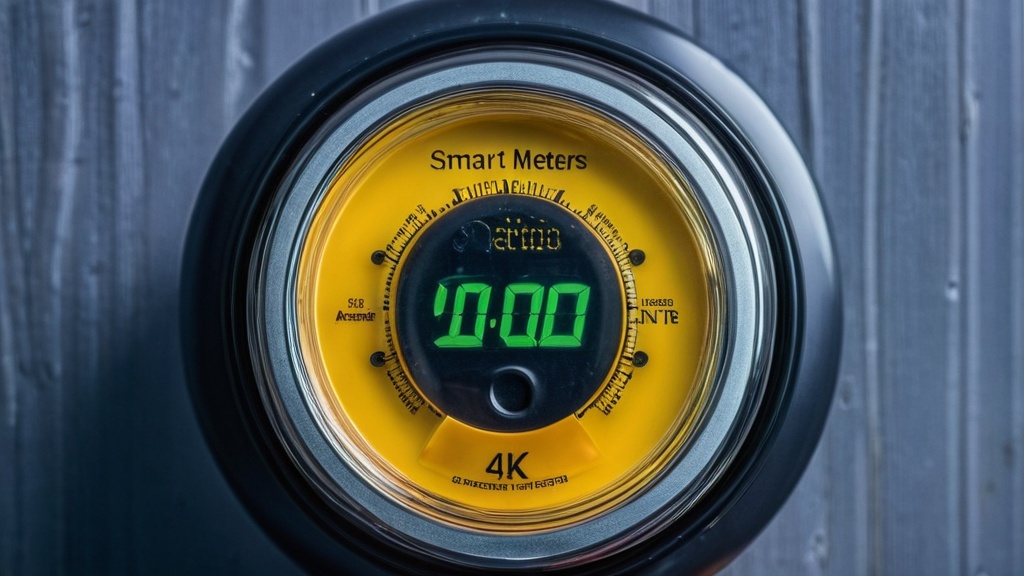
In recent years, the emergence of smart meters has transformed the way we monitor and manage energy consumption. These advanced devices represent a significant leap forward from traditional analog meters, offering real-time data and enhanced communication capabilities. As we become increasingly aware of the importance of energy efficiency and sustainability, smart meters have gained prominence in both residential and commercial settings. Their ability to provide detailed insights into energy usage empowers consumers to make informed decisions about their consumption patterns.
The integration of smart meters into our energy infrastructure reflects a broader trend toward modernization and innovation. With the rise of smart grids, these devices play a crucial role in optimizing energy distribution and reducing waste. As we explore the various aspects of smart meters, it becomes clear that they are not merely tools for measurement; they are integral components of a more sustainable energy future. Understanding their functionality, benefits, and challenges will help us appreciate their role in shaping our energy landscape.
The impact of smart meters on energy use is a significant topic in today’s energy management discussions. For those looking to further understand how to reduce energy consumption in specific areas of their homes, an insightful article titled “How Can I Use Less Energy in My Kitchen?” provides practical tips and strategies. This resource complements the discussion on smart meters by offering actionable advice on energy efficiency in one of the most energy-intensive rooms in the house. You can read the article here: This shift in behavior not only benefits consumers financially but also helps balance demand on the grid, reducing strain during peak periods. The impact of smart meters extends beyond individual households. Communities that adopt these devices often experience a collective shift toward more efficient energy use. As more consumers become aware of their consumption habits, a cultural change begins to take root, emphasizing the importance of energy conservation. This collective awareness can lead to significant reductions in overall energy demand, contributing to a more sustainable future for all. The implementation of smart meters has significantly transformed energy consumption patterns, providing users with real-time data that encourages more efficient usage. This shift towards smarter energy management aligns with broader trends in sustainability, as seen in related discussions about eco-friendly practices. For instance, an article on the rise of reclaimed wood in interior design highlights how sustainable choices can extend beyond energy use to include materials and aesthetics in our living spaces. You can read more about this fascinating topic in the article here. Challenges and Concerns with Smart Meters
| Study | Findings |
|---|---|
| University of Oxford | Smart meters led to a 3.5% reduction in electricity use |
| Lawrence Berkeley National Laboratory | Smart meters reduced electricity use by 4% to 12% |
| Energy Saving Trust | Smart meters helped households reduce energy use by 2.8% |
Despite the numerous benefits associated with smart meters, challenges and concerns persist. One major issue revolves around privacy and data security. The collection of detailed energy usage data raises questions about how this information is stored and who has access to it. Consumers may feel apprehensive about sharing their data with utility companies, fearing potential misuse or breaches of privacy.
Another concern involves the potential for increased costs associated with the implementation of smart meter technology. While long-term savings are anticipated, the initial investment required for infrastructure upgrades can be substantial. Some consumers may worry that these costs will ultimately be passed on to them through higher utility rates. Addressing these concerns requires transparent communication from utility providers about the benefits and costs associated with smart meter deployment.
Case Studies on the Effectiveness of Smart Meters
Examining case studies from various regions provides valuable insights into the effectiveness of smart meters in promoting energy efficiency. In California, for instance, a comprehensive rollout of smart meters led to a notable decrease in residential energy consumption. Consumers who engaged with their usage data reported making changes that resulted in an average reduction of 10-15% in their electricity bills. This case illustrates how access to real-time information can empower individuals to take control of their energy use.
In contrast, a study conducted in a rural area revealed mixed results regarding consumer engagement with smart meter technology. While some residents embraced the opportunity to monitor their usage closely, others remained indifferent or skeptical about the benefits. This highlights the importance of education and outreach efforts in ensuring that all consumers understand how to utilize smart meters effectively. Tailored programs that address specific community needs can enhance engagement and maximize the potential benefits of this technology.
Smart Meter Implementation and Policy Considerations
Implementing smart meter technology requires careful planning and consideration from policymakers and utility providers alike. Establishing clear guidelines for data privacy and security is paramount to building consumer trust. Policymakers must work collaboratively with stakeholders to develop regulations that protect consumer information while allowing for innovation in energy management.
In addition to privacy concerns, equitable access to smart meter technology must be prioritized. Ensuring that all communities, regardless of socioeconomic status, have access to these devices is essential for maximizing their benefits.
Programs aimed at subsidizing costs for low-income households can help bridge the gap and promote widespread adoption.
As we move forward, thoughtful policies will play a critical role in shaping the future landscape of smart meter implementation.
Conclusion and Future Outlook for Smart Meters
As we reflect on the evolution of smart meters, it becomes evident that they hold immense potential for transforming our approach to energy consumption. The benefits they offer—ranging from cost savings to environmental sustainability—underscore their importance in our modern energy landscape. However, addressing challenges related to privacy, costs, and equitable access remains crucial for realizing their full potential.
Looking ahead, continued advancements in technology will likely enhance the capabilities of smart meters even further. Innovations such as artificial intelligence and machine learning may enable even more sophisticated analysis of energy usage patterns, providing consumers with personalized recommendations for optimizing their consumption. As we embrace these developments, fostering collaboration among stakeholders will be essential in creating a future where smart meters contribute meaningfully to a sustainable energy ecosystem.
FAQs
What are smart meters?
Smart meters are advanced energy meters that track and record energy usage in real-time. They can communicate this data to the utility company and the consumer, allowing for more accurate and timely billing.
How do smart meters impact energy use?
Smart meters can help consumers better understand their energy usage patterns, leading to more informed decisions about energy consumption. Studies have shown that the use of smart meters can lead to reduced energy consumption and lower utility bills.
Are there any potential drawbacks to smart meters?
Some concerns about smart meters include privacy issues related to the collection of detailed energy usage data, as well as potential health concerns related to the radiofrequency (RF) emissions from the meters. However, research has shown that the RF emissions from smart meters are well within safety limits.
Do smart meters benefit the environment?
Smart meters can contribute to environmental benefits by reducing overall energy consumption. By helping consumers become more aware of their energy use, smart meters can lead to a decrease in greenhouse gas emissions and a more sustainable energy future.
Are smart meters widely used?
Smart meters are becoming increasingly common, with many utility companies around the world transitioning to smart meter technology. In some regions, smart meters are being mandated by government regulations to improve energy efficiency and grid management.
Enjoying our content? Make us a preferred source on Google.
Add us as a Preferred Source on Google