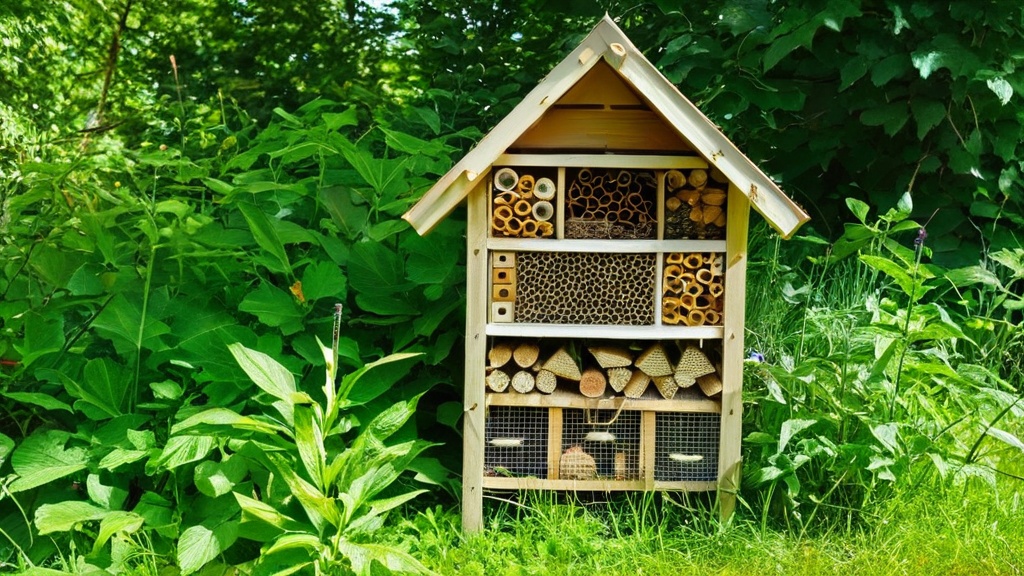
Creating a bug hotel serves as a vital step in promoting biodiversity within our gardens and natural spaces. These structures provide essential habitats for various insects, many of which play crucial roles in pollination and pest control. As we witness the decline of insect populations globally, establishing bug hotels becomes increasingly important. They offer refuge for solitary bees, ladybugs, and other beneficial insects that contribute to a healthy ecosystem.
Insects often face challenges due to habitat loss, pesticide use, and climate change. Bug hotels can counteract some of these threats by providing safe spaces for insects to thrive. By attracting a diverse range of species, we can foster a balanced environment that supports not only insects but also the plants and animals that depend on them. Understanding the importance of these structures allows us to appreciate the interconnectedness of life and our role in preserving it.
Creating a bug hotel is an excellent way to support local biodiversity, but it’s just one of many eco-friendly initiatives you can undertake for your home. If you’re interested in exploring other sustainable options, you might find the article on cool roofs versus green roofs insightful. It discusses the benefits and drawbacks of each type, helping you make informed choices about enhancing your home’s environmental impact. You can read more about it here: Cool Roofs vs. Green Roofs: Which is the Best Choice for Your Home?.
Key Takeaways
- Bug hotels are important for providing shelter and habitat for beneficial insects, such as pollinators and pest controllers.
- Choosing the right location for your bug hotel is crucial, as it should be in a sunny, sheltered spot with nearby food sources and water.
- When selecting materials for your bug hotel, consider using a variety of natural materials such as wood, bamboo, and straw to attract a diverse range of insects.
- Constructing your bug hotel can be a fun and creative project, with options for stacking, hanging, or freestanding designs to suit your space and style.
- Providing the right conditions for bug hotel residents involves maintaining a balance of moisture, warmth, and protection from predators to support a thriving insect community.
Choosing the Right Location for Your Bug Hotel
Selecting an appropriate location for our bug hotel is crucial for its success. A sunny spot that receives at least six hours of sunlight daily will attract more insects, as many species prefer warm environments. Placing the hotel near flowering plants can enhance its appeal, providing food sources for pollinators. Proximity to water sources, such as ponds or birdbaths, can also benefit insect residents, as they require hydration.
We should consider the surrounding environment when choosing a location. Avoiding areas with heavy foot traffic or frequent disturbances will help maintain a peaceful habitat for our insect guests. Additionally, positioning the hotel near natural features like hedgerows or trees can create a welcoming corridor for insects to explore. Taking these factors into account ensures that our bug hotel becomes a thriving sanctuary for various species.
Selecting Materials for Your Bug Hotel

Choosing the right materials is essential for constructing a bug hotel that attracts a diverse range of insects. Natural materials such as wood, bamboo, and straw work well, as they mimic the insects’ natural habitats. Untreated wood provides shelter for beetles and other critters, while hollow bamboo tubes serve as nesting sites for solitary bees. Incorporating different materials creates varied microhabitats, catering to the needs of various species.
Recycling materials can also contribute to sustainability efforts. Old pallets, bricks, and even pine cones can be repurposed to create unique structures.
When selecting materials, avoiding treated wood or synthetic substances is important, as these can harm insects.
Emphasizing natural options not only benefits the environment but also encourages a wider range of insect visitors to our bug hotel.
Constructing Your Bug Hotel

Building a bug hotel can be an enjoyable and rewarding project that allows us to connect with nature. We can start by creating a sturdy frame using wooden pallets or other durable materials. Ensuring the structure is stable will help it withstand weather conditions and provide a safe haven for insects. Layering different materials within the frame adds complexity and variety to the habitat.
Filling the hotel with an assortment of natural items is key to attracting various species. Stacking logs with drilled holes can create nesting sites for bees, while straw or dried leaves can provide shelter for ladybugs and other beneficial insects. Arranging materials in a way that allows for airflow and drainage will help maintain a healthy environment within the hotel. Taking time to construct a well-designed bug hotel will pay off in attracting a diverse array of insect life.
Creating a bug hotel is a fantastic way to support local biodiversity, but it’s also important to consider how the products we use in our homes can impact the environment. For those interested in maintaining a healthy ecosystem both indoors and outdoors, exploring non-toxic cleaning solutions can be beneficial. You can learn more about this in a related article that discusses various eco-friendly options for keeping your home clean without harming beneficial insects. Check out the article on non-toxic cleaning products to discover ways to create a safer environment for all living creatures.
Providing the Right Conditions for Bug Hotel Residents
| Materials | Instructions |
|---|---|
| Wooden pallets | 1. Stack the pallets to create the structure |
| Bamboo sticks | 2. Fill the gaps with bamboo sticks |
| Straw or hay | 3. Add straw or hay for insulation |
| Clay pots | 4. Place clay pots for nesting spaces |
| Leaves and twigs | 5. Scatter leaves and twigs for natural habitat |
Creating an inviting atmosphere within our bug hotel is essential for attracting and retaining insect residents. Ensuring proper ventilation and drainage will help prevent moisture buildup, which can lead to mold and decay. Placing the hotel in a sheltered area can protect it from harsh weather conditions while still allowing sunlight to reach it.
Incorporating plants around the bug hotel can further enhance its appeal. Native flowering plants provide food sources for pollinators and create a more inviting environment for insects. Avoiding chemical pesticides in the vicinity will help maintain a safe habitat for our insect guests. Providing the right conditions fosters a thriving community within our bug hotel, benefiting both insects and the surrounding ecosystem.
Maintaining Your Bug Hotel
Regular maintenance is vital to ensure our bug hotel remains a safe haven for its residents. Periodically checking the structure for signs of wear or damage will help us address any issues before they become significant problems. Cleaning out debris or old materials can prevent pests from taking over and ensure that our insect guests have access to suitable habitats.
Monitoring the surrounding area is equally important. Keeping an eye on plant health and ensuring that no harmful chemicals are used nearby will help maintain a healthy environment for insects. Seasonal adjustments may be necessary, such as adding fresh materials or relocating the hotel if it becomes too shaded over time. Committing to regular maintenance allows us to support a thriving community of insects year-round.
Monitoring Biodiversity in Your Bug Hotel
Observing the diversity of species that visit our bug hotel can provide valuable insights into local ecosystems. Keeping a journal or log of insect sightings allows us to track changes over time and understand which species are attracted to our structure. Engaging in citizen science initiatives can further enhance our knowledge while contributing to broader conservation efforts.
Setting up simple observation tools, such as cameras or magnifying glasses, can deepen our appreciation for the intricate lives of insects. Identifying different species helps us recognize their roles within the ecosystem and fosters a sense of connection with nature. Monitoring biodiversity not only enriches our experience but also highlights the importance of preserving habitats for future generations.
Enjoying the Benefits of a Thriving Bug Hotel
The rewards of establishing a successful bug hotel extend beyond simply providing shelter for insects. A thriving bug hotel contributes to healthier gardens by promoting pollination and natural pest control. As we witness an increase in beneficial insect populations, we may notice improved plant health and productivity in our gardens.
Beyond ecological benefits, engaging with our bug hotel offers opportunities for education and connection with nature. Observing insects up close fosters curiosity and appreciation for biodiversity among family members and friends. Sharing our experiences with others can inspire them to create their own bug hotels, amplifying the positive impact on local ecosystems. Enjoying these benefits reinforces our commitment to nurturing the environment and supporting its diverse inhabitants.
FAQs
What is a bug hotel?
A bug hotel is a structure designed to provide shelter and nesting opportunities for a variety of insects and other small creatures. It is typically made from natural materials and can be placed in gardens or other outdoor spaces to support biodiversity.
Why is building a bug hotel important for biodiversity?
Bug hotels provide essential habitat for a wide range of beneficial insects, such as pollinators and pest controllers. By creating a bug hotel, you can help support local ecosystems and promote biodiversity in your area.
What materials are needed to build a bug hotel?
Common materials for building a bug hotel include untreated wood, bamboo canes, pine cones, straw, and dry leaves. These materials provide different textures and cavities that can attract a variety of insects and small animals.
Where should a bug hotel be placed for maximum effectiveness?
Bug hotels should be placed in a sunny, sheltered location, ideally near flowering plants. It’s important to keep the bug hotel off the ground to prevent it from becoming waterlogged, and to ensure that it is stable and secure.
What are some tips for maintaining a bug hotel?
To maintain a bug hotel, regularly check for any damage or deterioration of materials. It’s also helpful to periodically clean out the bug hotel to remove any debris or pests, and to add fresh materials to keep it attractive to insects.
Enjoying our content? Make us a preferred source on Google.
Add us as a Preferred Source on Google