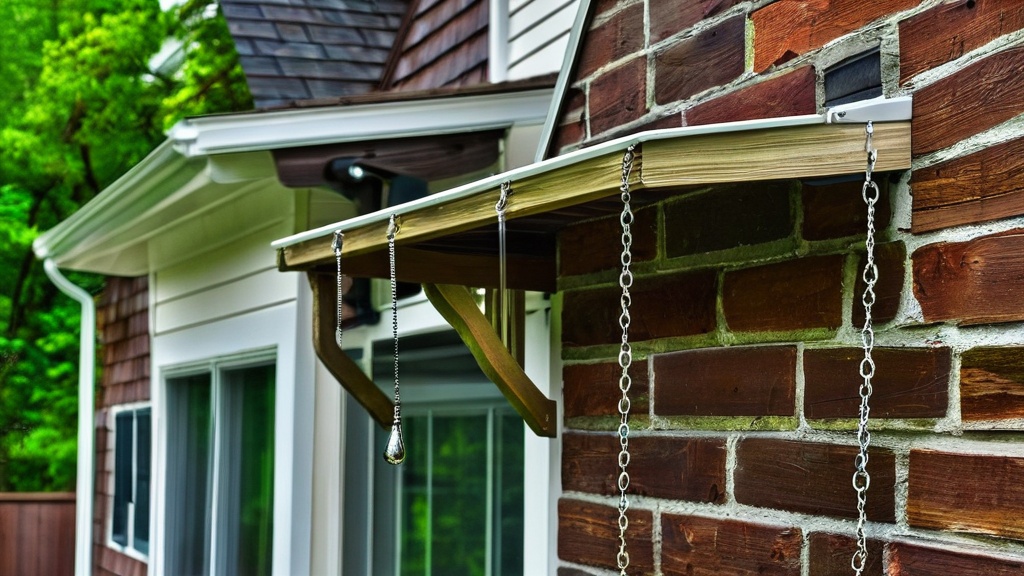

Rain barrels have emerged as a practical solution for homeowners seeking to conserve water and promote sustainability. As we face increasing concerns about water scarcity and environmental degradation, the importance of utilizing natural resources becomes more apparent. Collecting rainwater not only reduces reliance on municipal water systems but also helps in managing stormwater runoff, which can lead to erosion and pollution. With a rain barrel, we can harness the power of nature, capturing precious rainwater that would otherwise go to waste.
The concept of rain barrels is simple yet effective. These containers collect rainwater from rooftops through gutters and downspouts, allowing us to store it for later use. Various designs and sizes are available, catering to different needs and preferences. As we explore the benefits and practicalities of rain barrels, we will discover how they can transform our approach to gardening, landscaping, and water conservation.
If you’re looking to enhance your gardening efforts while being eco-friendly, you might find our article on energy-saving tips for the garden particularly useful. It complements the DIY Rain Barrels: Complete Guide by providing additional strategies to conserve resources and promote sustainability in your outdoor space. To explore these tips, check out the article here: Energy Saving Tips for the Garden.
Key Takeaways
- Rain barrels are a sustainable way to collect and store rainwater for later use in gardening and other outdoor activities.
- Using rain barrels can help reduce water bills, prevent stormwater runoff, and provide a natural water source for plants.
- When choosing a rain barrel, consider factors such as capacity, material, and design to ensure it meets your specific needs.
- Installing a rain barrel involves positioning it under a downspout, securing it, and connecting it to a hose for easy access to the collected water.
- Regular maintenance of rain barrels, including cleaning and winterizing, is essential to ensure optimal performance and longevity.
Benefits of Using Rain Barrels
Utilizing rain barrels offers numerous advantages that extend beyond mere water conservation. One of the most immediate benefits is the reduction in water bills. By collecting rainwater for outdoor use, we can significantly decrease our dependence on treated municipal water, leading to substantial savings over time. This financial incentive encourages many to adopt rainwater harvesting as a viable option for their homes.
In addition to cost savings, rain barrels contribute positively to the environment. Capturing rainwater helps mitigate stormwater runoff, which can carry pollutants into local waterways. By using rainwater for irrigation, we reduce the strain on our local water supply and promote healthier ecosystems. Furthermore, rainwater is naturally soft and free from chemicals commonly found in tap water, making it an ideal choice for nurturing plants and gardens.
Choosing the Right Rain Barrel
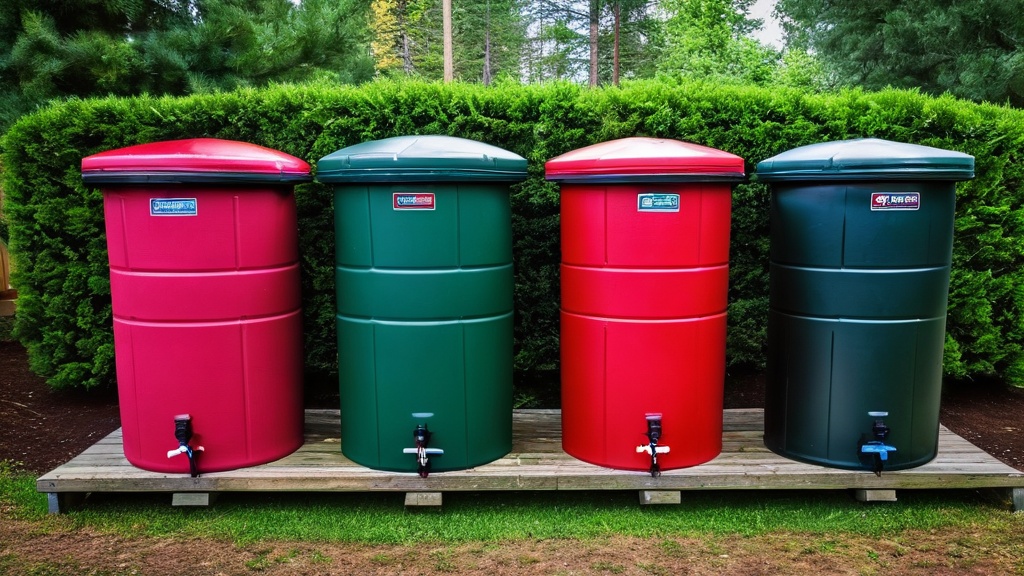
Selecting the appropriate rain barrel requires careful consideration of several factors. First, we must assess our water needs and available space. Rain barrels come in various sizes, typically ranging from 50 to 100 gallons.
For those with larger gardens or extensive landscaping, a larger barrel or multiple barrels may be necessary to meet our watering demands effectively.
Material choice plays a crucial role in the selection process as well. Rain barrels are commonly made from plastic, wood, or metal. Each material has its advantages and disadvantages. Plastic barrels are lightweight and easy to move, while wooden barrels offer a more rustic aesthetic but may require more maintenance. Metal barrels can be durable but may rust over time if not properly treated. Evaluating our preferences and requirements will help us make an informed decision.
Installing Your Rain Barrel
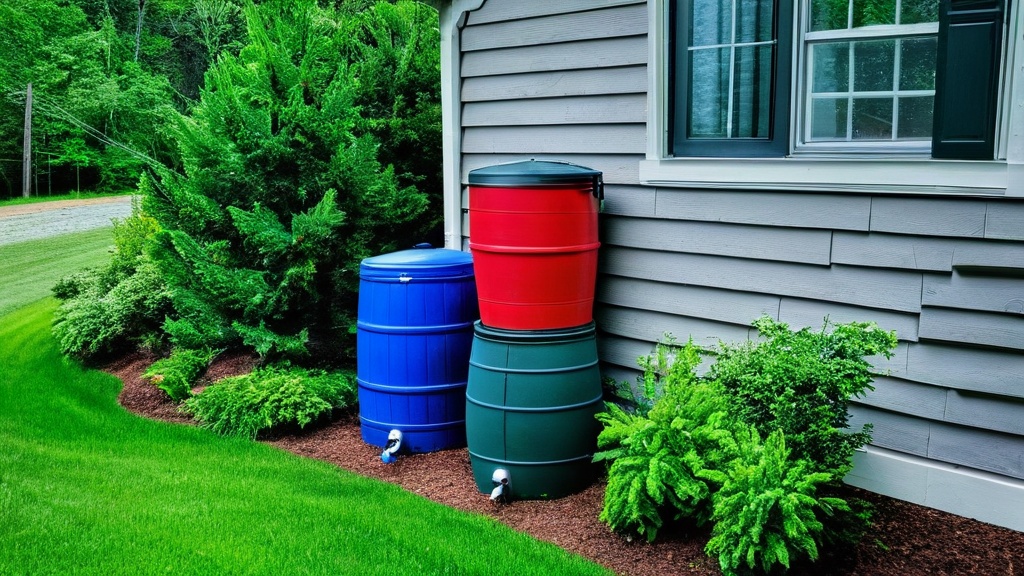
Proper installation of a rain barrel is essential for optimal performance. We should begin by selecting a suitable location that allows for easy access and efficient water collection. Placing the barrel near downspouts ensures that it captures the maximum amount of rainwater. Elevating the barrel on a platform or bricks can facilitate gravity-fed watering, making it easier to fill watering cans or connect hoses.
Before installation, we must prepare the downspout by cutting it to direct water into the barrel. A diverter can be installed to redirect water flow when the barrel is full, preventing overflow and ensuring that excess water continues to flow through the downspout. Securing the barrel with a lid is important to keep debris out and prevent mosquito breeding. Following these steps will help us set up a functional and efficient rainwater harvesting system.
If you’re interested in enhancing your garden’s sustainability, you might find the article on home improvement ideas particularly helpful. It offers various tips on how to revamp your space while being eco-conscious. For more information, check out this helpful resource that complements your DIY rain barrel project perfectly.
Maintaining Your Rain Barrel
| DIY Rain Barrels: Complete Guide | |
|---|---|
| Barrel Size | 55 gallons |
| Materials Needed | Barrel, PVC pipe, screen, hose connector |
| Cost | Low |
| Installation Time | 1-2 hours |
| Benefits | Conserves water, reduces water bills, eco-friendly |
Regular maintenance is vital for ensuring the longevity and effectiveness of our rain barrels. Cleaning the barrel periodically prevents algae growth and sediment buildup that can contaminate stored water. A simple rinse with a mixture of vinegar and water can help keep the interior clean without introducing harmful chemicals.
Inspecting the gutters and downspouts regularly is equally important. Clogs can prevent proper water flow into the barrel, reducing its efficiency. Clearing leaves and debris from gutters will help maintain optimal performance. Additionally, checking for leaks or cracks in the barrel itself will ensure that we do not lose valuable water through unintended openings.
Using Rain Barrel Water in Your Garden
Rainwater collected in barrels can be an excellent resource for our gardens and landscaping projects. Utilizing this natural resource promotes healthier plant growth while conserving treated water for other household uses. Watering plants with rainwater can lead to improved soil quality, as it contains fewer chemicals than tap water.
When using rainwater for irrigation, timing is key. Watering early in the morning or late in the evening minimizes evaporation and allows plants to absorb moisture more effectively. We can use watering cans or connect hoses directly to the barrel for convenience. Implementing drip irrigation systems can further optimize water usage, ensuring that plants receive adequate moisture without waste.
Troubleshooting Common Rain Barrel Issues
Despite their many benefits, rain barrels can present challenges that require attention. One common issue is overflow during heavy rainfall. If our barrel fills too quickly, it may spill over, wasting valuable water. Installing an overflow hose or directing excess water into a garden bed can help manage this problem effectively.
Another concern involves mosquito breeding in stagnant water. Keeping the barrel covered with a secure lid will minimize this risk while allowing us to access the water easily when needed. If we notice unpleasant odors or discoloration in the stored water, it may indicate contamination or algae growth. Regular cleaning and maintenance will help prevent these issues from arising.
Conclusion and Final Tips for DIY Rain Barrels
In conclusion, adopting rain barrels as part of our water conservation efforts presents numerous benefits for both our wallets and the environment. By understanding how to choose, install, maintain, and utilize these systems effectively, we can make a positive impact on our gardens and communities. As we embrace this sustainable practice, we contribute to a healthier planet while enjoying the rewards of nurturing our green spaces.
For those considering DIY options, creativity can play a significant role in designing unique rain barrels that suit personal tastes and needs. Repurposing old containers or customizing designs can add character while promoting sustainability. As we embark on this journey toward responsible water use, let us remember that every drop counts in preserving our precious resources for future generations.
FAQs
What is a rain barrel?
A rain barrel is a container used to collect and store rainwater from rooftops for later use in watering gardens, lawns, and other outdoor activities.
Why should I use a rain barrel?
Using a rain barrel helps conserve water, reduce stormwater runoff, and save money on water bills. It also provides a free source of water for plants and gardens.
How do I make a DIY rain barrel?
To make a DIY rain barrel, you will need a large container, such as a drum or trash can, a screen to filter out debris, a spigot for easy access to the water, and a downspout diverter to direct water into the barrel.
Where should I place my rain barrel?
Place your rain barrel under a downspout near a garden, lawn, or other outdoor area where you will use the collected water. Make sure the area is level and stable to support the weight of the full barrel.
Are there any maintenance tips for rain barrels?
Regular maintenance of rain barrels includes cleaning the screen to prevent clogs, checking for leaks, and ensuring the spigot is functioning properly. Additionally, it’s important to empty and disconnect the rain barrel before the first freeze to prevent damage.
Enjoying our content? Make us a preferred source on Google.
Add us as a Preferred Source on Google