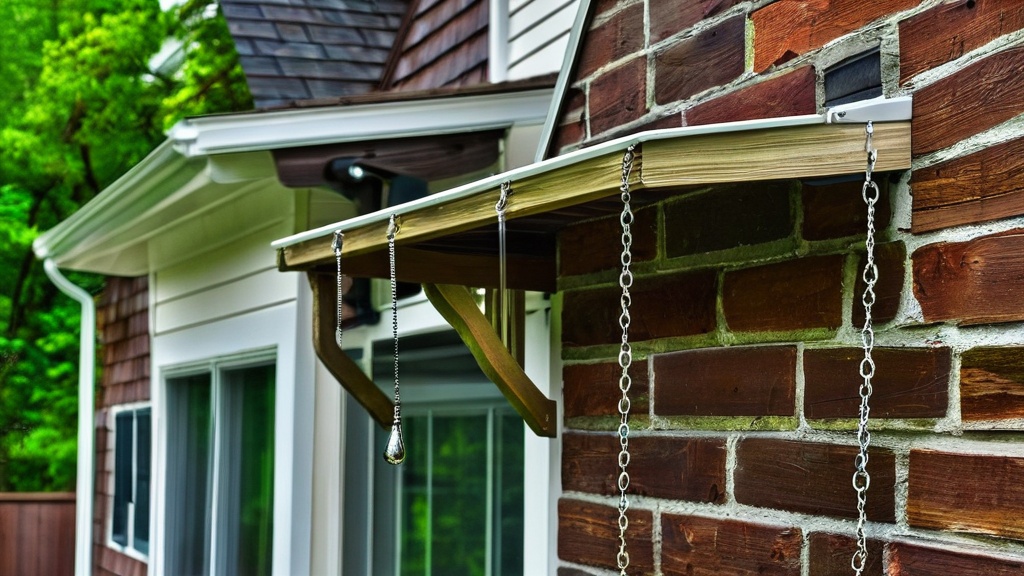

The circular economy concept represents a transformative approach to production and consumption. Unlike the traditional linear model, which follows a take-make-dispose pattern, the circular economy emphasizes sustainability and resource efficiency. We recognize that our planet’s resources are finite, and the circular economy seeks to minimize waste while maximizing the utility of materials.
This model encourages us to rethink how we design products, use resources, and manage waste, fostering a system where materials are continuously reused and recycled.
In a circular economy, the focus shifts from ownership to access. We begin to see value in sharing and leasing products rather than owning them outright. This shift not only reduces the demand for new resources but also promotes innovation in product design. Companies are encouraged to create items that are durable, repairable, and recyclable.
As we adopt this mindset, we contribute to a more sustainable future, where economic growth does not come at the expense of our environment.
In the pursuit of a sustainable lifestyle, the concept of a circular economy at home is gaining traction, as outlined in the article “Closing the Loop: Circular Economy at Home.” This approach emphasizes the importance of reusing and recycling materials to minimize waste. For those looking to enhance their eco-friendly practices, maintaining solar panels is crucial for maximizing energy efficiency and sustainability. You can read more about this in the article on solar panel maintenance, which provides valuable tips to keep your system running smoothly, available at Solar Panel Maintenance Tips.
Key Takeaways
- Circular economy aims to minimize waste and maximize the use of resources by keeping products and materials in use for as long as possible.
- Implementing reduce, reuse, and recycle practices at home can significantly reduce the environmental impact of household consumption.
- Choosing sustainable and durable products helps in reducing the overall waste generated and promotes a more circular economy.
- Repairing and upcycling household items instead of discarding them can extend their lifespan and reduce the need for new resources.
- Composting and organic waste management are essential for closing the loop in the circular economy and reducing the amount of waste sent to landfills.
Implementing Reduce, Reuse, and Recycle Practices at Home
Implementing reduce, reuse, and recycle practices at home serves as a foundational step toward embracing the circular economy. We can start by assessing our consumption habits and identifying areas where we can reduce waste. Simple actions like opting for digital documents instead of paper or purchasing products with minimal packaging can significantly decrease our environmental footprint. Each small change contributes to a larger impact, demonstrating that collective efforts can lead to substantial results.
Reusing items before discarding them is another effective strategy. We can repurpose glass jars as storage containers or transform old clothing into cleaning rags. Creativity plays a vital role in this process, as we discover new uses for items that might otherwise end up in landfills. Recycling becomes the final step in this triad, where we ensure that materials are processed correctly to create new products. By actively participating in these practices, we foster a culture of sustainability within our households.

PREMIUM BABY FOOD-GRADE MATERIAL: Prioritizing durability and baby health, our containers are crafted from superior, thicker food-grade glass for extended life. Lids in six vibrant colors are not only stylish but made of quality BPA-free plastic, free of phthalates and lead, enhancing safety—a stellar choice for your baby's healthy, worry-free meals.

【Premium Quality】: Made of high-grade glass, our mason jars for overnight oats are lead and BPA-free and perfect for preserving the freshness and integrity of your stored food. Holding up to 16 oz of content, they are the best glass jars with lids for food storage.

Clear Glass Jars: The clear glass, allowing you to see the contents clearly. Reduces the need for labels. This glass jar with lid is stackable. Saving drawer and shelf space while improving storage efficiency. Hoa Kinh glass jars are suit for storage cosmetic, DIY materials, DIY candle, herb, and travel essentials
Choosing Sustainable and Durable Products

Choosing sustainable and durable products is essential for reducing our environmental impact. When shopping, we should prioritize items made from renewable resources or recycled materials. Brands that commit to sustainable practices often provide transparency about their supply chains and production methods. By supporting these companies, we contribute to a market that values environmental responsibility over short-term profits.
Durability plays a crucial role in our purchasing decisions. Investing in high-quality products that last longer reduces the frequency of replacements, ultimately leading to less waste. We can research product reviews and seek recommendations to identify items known for their longevity. As we make conscious choices about what we buy, we not only benefit ourselves but also encourage manufacturers to prioritize sustainability in their designs.

Decomposition Books are the the perfect size for daily notetaking at school or work and are suitable for sketching, drawing, journaling, recipe-writing and more! They are compact enough to fit in a backpack but large enough to accommodate all your writing needs. Decomposition Books make an ideal choice for students, professionals and hobbyists alike.

VERSATILE SIZING | Choose from rolls that cover 12 to 200 sq ft in a single seamless piece. This 4'x25' Traxxon roll delivers 100 sq ft with no interlocking seams or gaps. Pre-cut sizes run 3' to 50' long, all 4 ft wide. At 2.1 lb per sq ft, the rubber matting lays flat on concrete, carpet, or gravel without adhesive and repositions anytime.

Durable & Practical Design – The Blue Q Mushroom print heavy-duty tote bag features a sturdy zipper, reinforced floor, and an exterior patch pocket for your phone. Ideal for carrying lunch or gifting, it combines strength and style in one functional bag.
Repairing and Upcycling Household Items
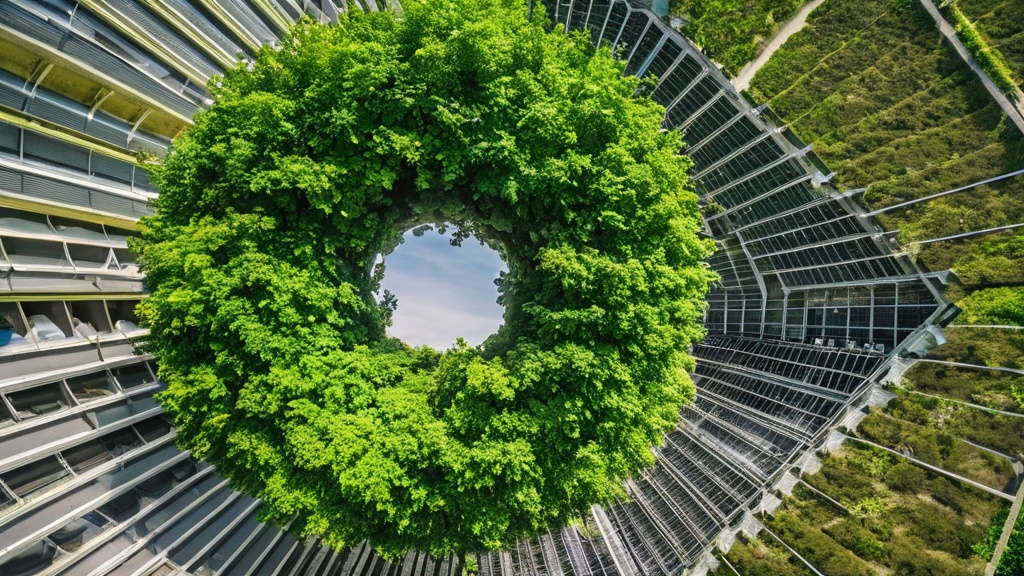
Repairing and upcycling household items allows us to extend the life of our possessions while reducing waste. Many items can be fixed with minimal effort, whether it’s sewing a torn garment or replacing a broken appliance part. We can learn basic repair skills through online tutorials or community workshops, empowering ourselves to tackle minor issues rather than discarding items prematurely.
Upcycling takes this concept further by transforming old or unused items into something new and functional. For instance, turning an old wooden pallet into a stylish coffee table or converting glass bottles into decorative vases showcases our creativity while promoting sustainability. Engaging in these activities not only reduces waste but also fosters a sense of accomplishment and resourcefulness within our households.
In exploring the principles of sustainable living, the article on “Closing the Loop: Circular Economy at Home” highlights practical strategies for reducing waste and promoting resource efficiency. For those looking to implement eco-friendly practices in their daily lives, a related article offers insightful tips on how to make your home greener while also saving money. You can read more about these strategies in this helpful guide on 10 easy ways to make your home greener. By integrating these approaches, individuals can contribute to a more sustainable future.

[Material]: Constructed with solid parawood for exceptional sturdiness and durability. [Customization]: Unfinished wood allows for easy painting or staining in your preferred…
Composting and Organic Waste Management
| Metrics | Data |
|---|---|
| Household Waste Recycled | 75% |
| Compost Produced | 100 kg/year |
| Items Reused | 50% |
| Energy Saved from Recycling | 500 kWh/year |
Composting represents an effective method for managing organic waste while enriching our gardens and landscapes. By collecting kitchen scraps like fruit peels, vegetable trimmings, and coffee grounds, we can create nutrient-rich compost that benefits our plants. Setting up a compost bin or pile in our backyard or using a countertop composting system makes this process accessible for everyone.
Organic waste management extends beyond composting; it involves being mindful of how we dispose of food waste. We can explore local programs that facilitate organic waste collection or participate in community composting initiatives. By diverting organic materials from landfills, we contribute to reducing greenhouse gas emissions while promoting healthier soil and ecosystems.
In exploring the concept of a circular economy at home, it’s essential to consider how sustainable energy solutions can complement this approach. A related article discusses the numerous advantages of solar panels, highlighting that they offer benefits beyond just energy savings. By integrating renewable energy sources into our homes, we can significantly reduce waste and promote a more sustainable lifestyle. For more insights on this topic, you can read the article on the benefits of solar panels here.
Supporting Local and Sustainable Businesses
Supporting local and sustainable businesses strengthens our communities while promoting environmentally friendly practices. When we choose to shop locally, we reduce transportation emissions associated with long-distance shipping. Local businesses often prioritize sustainable sourcing and production methods, aligning with our values of environmental responsibility.
Engaging with these businesses fosters a sense of community connection. We can attend farmers’ markets or craft fairs to discover local artisans and producers who share our commitment to sustainability. By investing in these enterprises, we help create a resilient local economy that prioritizes ethical practices over mass production.
Sharing and Borrowing Resources within the Community
Sharing and borrowing resources within our community cultivates a spirit of collaboration while minimizing individual consumption. We can establish tool libraries where neighbors lend and borrow tools for home improvement projects instead of each person purchasing their own set. This approach not only saves money but also reduces the number of items produced and discarded.
Community sharing extends beyond tools; it can include books, clothing swaps, or even shared garden spaces. Organizing events that encourage resource sharing fosters connections among neighbors while promoting sustainable practices. As we participate in these initiatives, we contribute to building a more resilient community that values cooperation over competition.
Educating and Encouraging Others to Embrace Circular Economy Practices
Educating and encouraging others to embrace circular economy practices amplifies our impact on sustainability efforts. We can share our knowledge through workshops, social media platforms, or community events, inspiring others to adopt similar habits. By discussing the benefits of reducing waste and supporting sustainable businesses, we create a ripple effect that extends beyond our immediate circles.
Encouragement plays a vital role in fostering change. We can celebrate the efforts of friends and family who make sustainable choices, reinforcing positive behaviors within our communities. As more individuals become aware of the circular economy concept and its benefits, we collectively move toward a more sustainable future where resource efficiency becomes the norm rather than the exception.
In conclusion, embracing the circular economy requires a multifaceted approach that involves understanding its principles and implementing practical strategies in our daily lives. By reducing waste, choosing sustainable products, repairing items, composting organic waste, supporting local businesses, sharing resources, and educating others, we contribute to a more sustainable world for future generations. Together, we can create a culture that values sustainability and resource efficiency, paving the way for a healthier planet.
FAQs
What is a circular economy?
A circular economy is an economic system aimed at eliminating waste and the continual use of resources. It involves reusing, sharing, repairing, refurbishing, and recycling existing materials and products to keep them in the economy for as long as possible.
How can individuals contribute to a circular economy at home?
Individuals can contribute to a circular economy at home by practicing the 3 R’s: reduce, reuse, and recycle. This can include buying products with minimal packaging, repairing items instead of replacing them, and recycling materials whenever possible.
What are the benefits of a circular economy at home?
The benefits of a circular economy at home include reducing waste, conserving resources, saving money through reusing and repairing items, and minimizing the environmental impact of consumerism.
What are some examples of circular economy practices at home?
Examples of circular economy practices at home include composting food waste, repurposing old items for new uses, using reusable containers and bags, and buying second-hand or refurbished goods.
How can businesses and governments support a circular economy at home?
Businesses and governments can support a circular economy at home by implementing policies and incentives for sustainable production and consumption, investing in recycling infrastructure, and promoting the development of eco-friendly products and services.
Enjoying our content? Make us a preferred source on Google.
Add us as a Preferred Source on Google