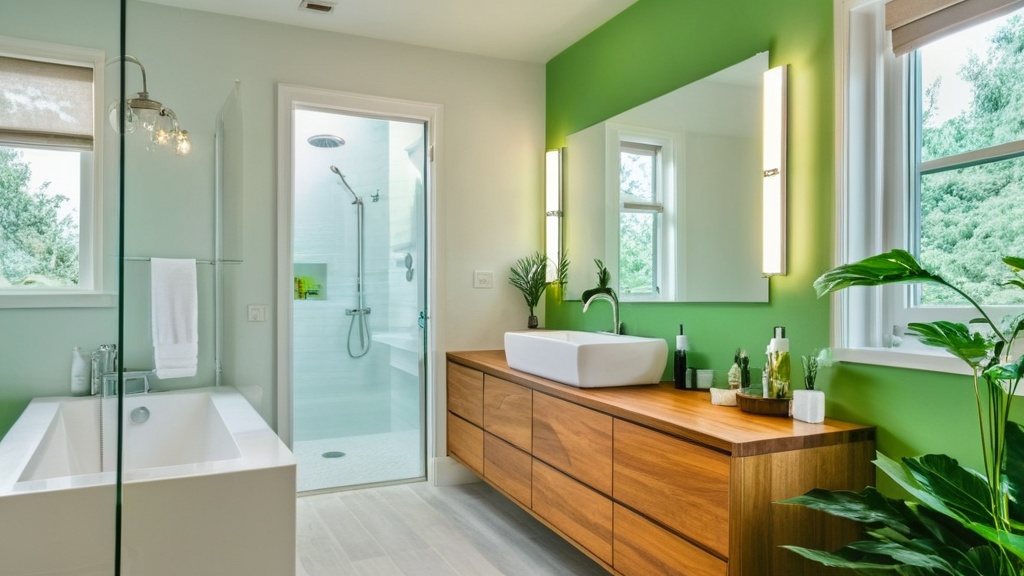
In our quest for sustainability, low-flow showerheads and faucets stand out as practical solutions for reducing water consumption. Traditional fixtures often waste a significant amount of water, leading to higher utility bills and unnecessary strain on our precious water resources. Low-flow options, on the other hand, utilize advanced technology to maintain water pressure while minimizing flow rates. This means we can enjoy refreshing showers and efficient handwashing without feeling deprived of comfort.
Choosing low-flow fixtures not only benefits the environment but also contributes to long-term savings. Many of us may not realize that a simple switch can lead to substantial reductions in water usage. For instance, replacing a standard showerhead with a low-flow model can save up to 2.5 gallons of water per minute. Over time, these savings accumulate, resulting in lower water bills and a smaller carbon footprint. As we become more conscious of our environmental impact, opting for low-flow showerheads and faucets emerges as a straightforward yet effective way to make a difference.
If you’re looking to enhance your eco-friendly bathroom upgrades, you might find it beneficial to explore additional strategies for conserving water. A related article titled “Slash Your Water Bill in Half with These Bathroom Hacks” offers practical tips and tricks that can help you reduce water usage significantly. To read more about these innovative solutions, visit this article.
Key Takeaways
- Low-flow showerheads and faucets can help reduce water usage and save money on utility bills.
- Water-efficient toilets use less water per flush, contributing to water conservation efforts.
- Energy-efficient lighting options can help reduce electricity usage and lower energy bills.
- Eco-friendly flooring options, such as bamboo or cork, are sustainable and renewable materials.
- Non-toxic paint and finishes are better for indoor air quality and the environment.
Water-Efficient Toilets
Water-efficient toilets represent another vital component in our efforts to conserve water. Traditional toilets often use excessive amounts of water per flush, contributing to wastefulness in households across the globe. In contrast, modern water-efficient models utilize advanced flushing technology to achieve the same level of cleanliness with significantly less water. Many of us may be surprised to learn that these toilets can save an average of 1.6 gallons per flush compared to older models that may use up to 3.
5 gallons.
The benefits extend beyond just water conservation. Water-efficient toilets often come with improved designs that enhance performance and reduce the likelihood of clogs. Investing in such toilets not only helps us contribute to environmental sustainability but also leads to a more efficient and pleasant bathroom experience. As we consider our choices in home improvement, prioritizing water-efficient toilets becomes an essential step toward creating a more sustainable living space.
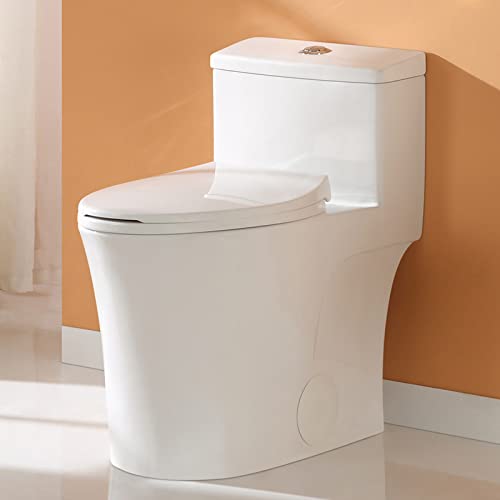
Compact One Piece Design: Measuring 26.6"D x 15"W x 26"H, this compact elongated toilet fits small bathrooms while still offering comfortable seating. The seamless one-piece design also creates a cleaner look and is easier to wipe down around the exterior.

Space-Saving Compact Toilet: Compact toilet (24½"L×13⅜"W×28⅜"H) with standard round bowl fits tight spaces, providing ergonomic seating up to 250 lbs. Ideal small toilet for small bathroom installations.

The makeup bag is designed to meet the TSA 3-1-1 liquids rule. Pass through airport security quickly and smoothly, saving valuable time and avoiding the stress of repacking at the checkpoint
Energy-Efficient Lighting
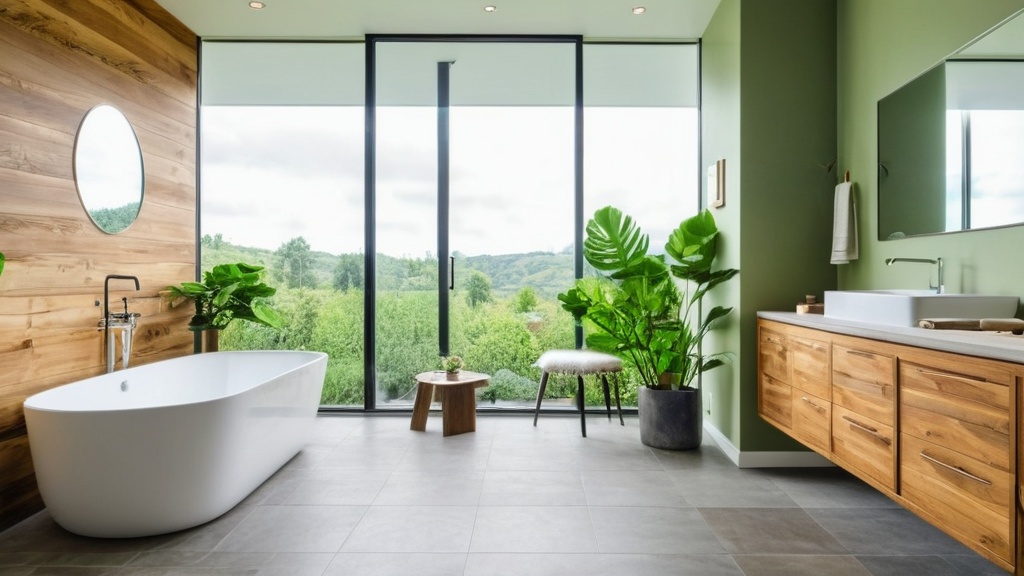
Energy-efficient lighting plays a crucial role in reducing energy consumption while maintaining a well-lit environment. Traditional incandescent bulbs consume a significant amount of electricity and have a shorter lifespan compared to their energy-efficient counterparts. Switching to LED or CFL bulbs can lead to remarkable energy savings, with LEDs using up to 80% less energy than incandescent bulbs. This transition not only lowers our electricity bills but also reduces the demand for fossil fuels used in electricity generation.
In addition to energy savings, energy-efficient lighting offers versatility in design and functionality. Many of us appreciate the variety of styles available, allowing us to choose fixtures that complement our home decor while being environmentally friendly. Dimming options and smart lighting systems further enhance our ability to control energy usage based on our needs. As we strive for a more sustainable lifestyle, embracing energy-efficient lighting becomes an integral part of our commitment to reducing our environmental impact.

Energy Saving 100 Watt Light Bulb: Replace 100-125 watt incandescent bulbs with 15 watt energy-efficient LED bulbs can help you save up to 90% in energy. The estimated annual energy cost is $1.81. LED light bulbs have powerful heat dissipation, providing the same brightness but less heat

【Efficiency Meets Comfort】 Dalattin's A19 engergy saving LED bulbs replace 60W incandescents with just 9W while delivering full 800 lumens brightness, slashing energy usage by up to 85%. This eco-conscious choice not only saves you approximately $1.08 annually per bulb but also ensures a cooler operation,and enhancing safety. With a lifespan of up to 13.7 years (at 3 hours daily use), they provide a lasting, no worry experience.

10000 Hours Lifespan: Each bulb has an impressive lifespan of 10,000 hours, lasting over 9 years based on 3 hours of daily usage.
Eco-Friendly Flooring Options
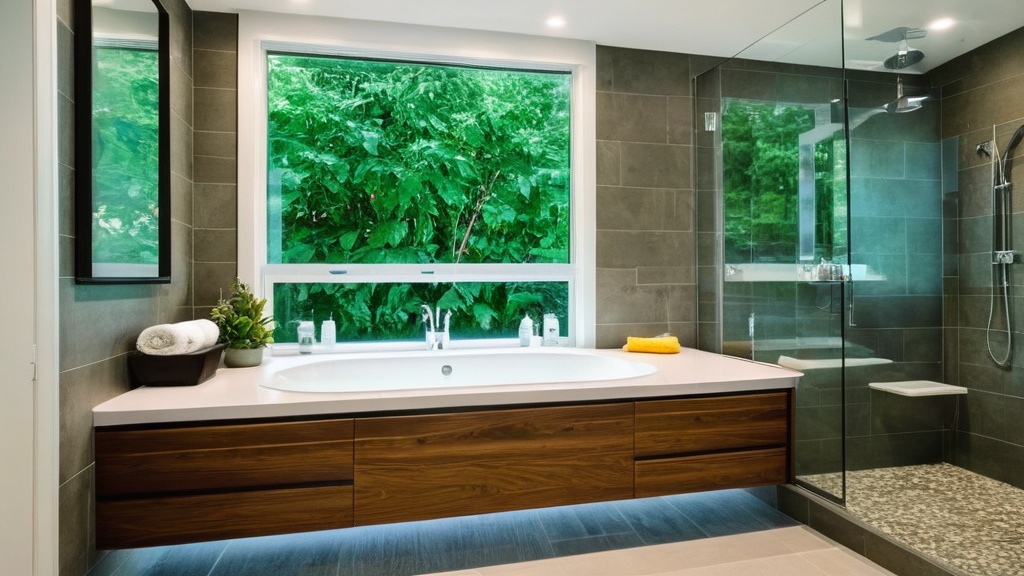
When it comes to flooring, eco-friendly options provide an opportunity to make sustainable choices without sacrificing style or comfort. Materials such as bamboo, cork, and reclaimed wood offer durability while minimizing environmental impact. Bamboo, for instance, grows rapidly and can be harvested without harming the plant’s root system, making it a renewable resource. Cork flooring, derived from the bark of cork oak trees, is another sustainable choice that provides natural insulation and sound absorption.
Selecting eco-friendly flooring not only benefits the environment but also contributes to healthier indoor air quality. Many traditional flooring materials release volatile organic compounds (VOCs) that can negatively affect our health. In contrast, natural materials often have lower emissions, creating a safer living space for us and our families. As we explore flooring options, prioritizing eco-friendly choices allows us to create beautiful spaces while supporting sustainability.
When considering eco-friendly bathroom upgrades that matter, it’s also important to think about the cleaning products you use. Transitioning to non-toxic options can significantly reduce your environmental impact while maintaining a healthy home. For more insights on this topic, you can explore a related article that highlights the best nontoxic products available for 2025. Check it out com/eco-friendly-cleaning-the-11-best-nontoxic-products-for-2025/’>here to discover how you can make your cleaning routine more sustainable.

WATERPROOF: Bamboo bath mat is waterproof which has slatted surface conduces to drainage; unlike those cloth mats in the market which will absorb a lot of water

Material:Bathroom mats are specially treated to be safe
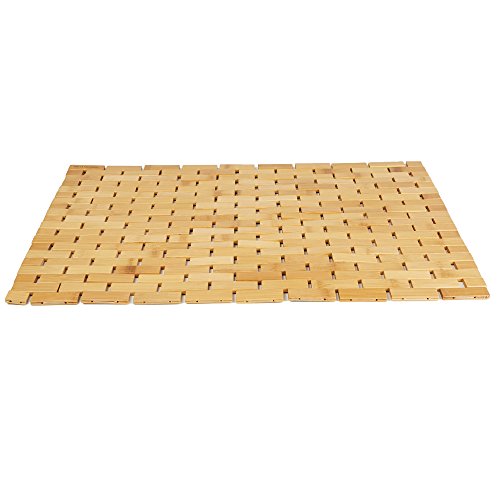
Natural Bamboo Design: Woven bamboo construction adds a warm, spa-inspired look to bathrooms and other indoor spaces
Non-Toxic Paint and Finishes
| Upgrade | Impact |
|---|---|
| Low-flow showerheads | Reduces water usage by up to 50% |
| Low-flow toilets | Reduces water usage by up to 60% |
| LED lighting | Uses 75% less energy than incandescent bulbs |
| Water-saving faucets | Reduces water usage by up to 30% |
| Natural and non-toxic cleaning products | Reduces harmful chemicals in water supply |
Non-toxic paint and finishes represent an essential aspect of creating a healthy home environment. Conventional paints often contain harmful chemicals that can release toxins into the air long after application. Choosing non-toxic alternatives ensures that we minimize exposure to harmful substances while still achieving the desired aesthetic for our spaces. Many brands now offer paints made from natural ingredients that provide excellent coverage without compromising safety.
In addition to health benefits, non-toxic paints often come in a variety of colors and finishes, allowing us to express our creativity without sacrificing our well-being. The growing availability of eco-friendly options means we no longer have to choose between style and safety. As we consider home improvement projects, opting for non-toxic paint and finishes becomes a vital step toward creating a healthier living environment for ourselves and future generations.
Sustainable Bathroom Furniture and Accessories
Sustainable bathroom furniture and accessories offer an opportunity to enhance our spaces while prioritizing eco-friendliness. Many manufacturers now produce items using reclaimed wood or sustainably sourced materials, ensuring that our choices contribute positively to the environment. Selecting furniture made from these materials not only reduces waste but also adds character and uniqueness to our bathrooms.
Incorporating sustainable accessories further elevates our commitment to eco-conscious living. Items such as bamboo toothbrushes, organic cotton towels, and biodegradable soap dishes reflect our values while enhancing the overall aesthetic of our bathrooms. As we curate our spaces, focusing on sustainable bathroom furniture and accessories allows us to create an inviting atmosphere that aligns with our environmental goals.
Water-Saving Plumbing Fixtures
Water-saving plumbing fixtures play a vital role in reducing overall water consumption in our homes. Faucets equipped with aerators can significantly decrease water flow without sacrificing pressure, making them an excellent choice for kitchens and bathrooms alike. Similarly, low-flow showerheads provide an enjoyable shower experience while conserving water resources.
Investing in these fixtures not only benefits the environment but also leads to financial savings over time. Many of us may not realize how much water we waste through outdated plumbing fixtures. Upgrading to water-saving options can result in noticeable reductions in monthly utility bills while contributing to a more sustainable lifestyle. As we consider home improvements, prioritizing water-saving plumbing fixtures becomes an essential step toward responsible resource management.
Natural and Organic Bath and Body Products
Natural and organic bath and body products represent a growing trend toward healthier personal care choices. Many conventional products contain synthetic ingredients that can irritate the skin or harm the environment during production and disposal. Opting for natural alternatives ensures that we use products free from harmful chemicals while supporting sustainable practices.
The variety of natural and organic options available today allows us to choose products that align with our values without compromising quality or effectiveness. From organic shampoos to biodegradable body scrubs, these products often feature nourishing ingredients derived from plants that benefit both our skin and the planet. As we make conscious choices about personal care, embracing natural and organic bath and body products becomes an integral part of our commitment to sustainability.
In conclusion, adopting eco-friendly practices in our homes encompasses various aspects of daily life, from water conservation to personal care choices. Each decision we make contributes to a more sustainable future, allowing us to enjoy comfortable living spaces while minimizing our environmental impact. By prioritizing low-flow fixtures, water-efficient toilets, energy-efficient lighting, eco-friendly flooring options, non-toxic paints, sustainable furniture, water-saving plumbing fixtures, and natural bath products, we take meaningful steps toward creating healthier homes for ourselves and generations to come.
FAQs
What are some eco-friendly bathroom upgrades that can make a difference?
Some eco-friendly bathroom upgrades that can make a difference include installing low-flow toilets, water-saving showerheads, energy-efficient lighting, and using non-toxic, biodegradable cleaning products.
How can low-flow toilets contribute to an eco-friendly bathroom?
Low-flow toilets use significantly less water per flush compared to traditional toilets, which can help conserve water and reduce overall water usage in the bathroom.
What are the benefits of using water-saving showerheads?
Water-saving showerheads can help reduce water consumption during showers, leading to lower water bills and decreased water usage. They can also contribute to energy savings by reducing the amount of hot water used.
How can energy-efficient lighting be beneficial in an eco-friendly bathroom?
Energy-efficient lighting, such as LED bulbs, can help reduce electricity consumption and lower energy costs. Additionally, these bulbs have a longer lifespan, reducing the frequency of replacements and waste.
Why is it important to use non-toxic, biodegradable cleaning products in the bathroom?
Using non-toxic, biodegradable cleaning products in the bathroom can help minimize exposure to harmful chemicals, protect the environment, and promote better indoor air quality. These products break down naturally and are less harmful to aquatic life when they enter the water system.
Enjoying our content? Make us a preferred source on Google.
Add us as a Preferred Source on Google