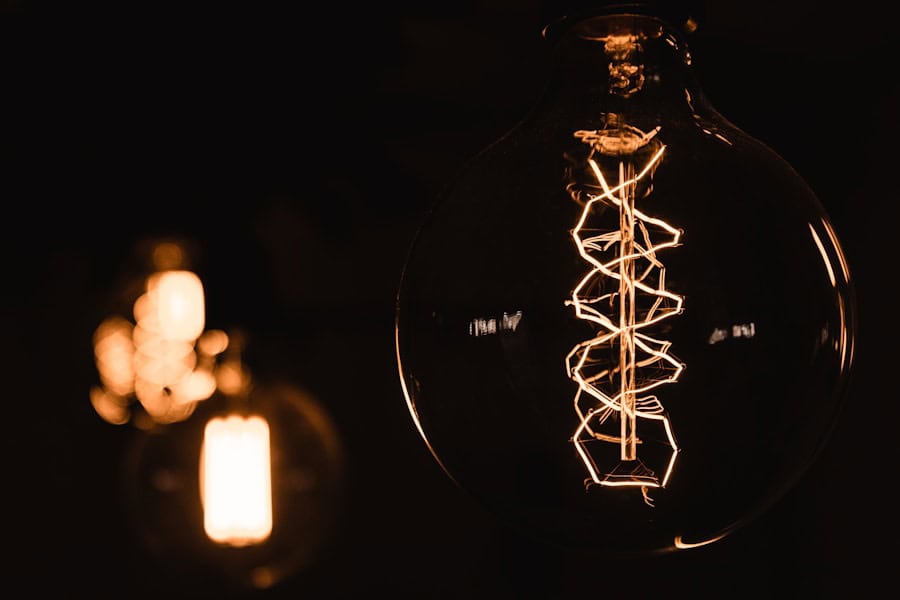
Energy-efficient lighting refers to the use of lighting products and systems that are designed to use less energy than traditional lighting options. This can include the use of LED (light-emitting diode) bulbs, compact fluorescent lamps (CFLs), and other energy-saving technologies. The goal of energy-efficient lighting is to reduce energy consumption, lower electricity bills, and minimize the environmental impact of lighting.
Energy-efficient lighting works by using advanced technology to produce light with less energy. LED bulbs, for example, use a semiconductor to produce light, which is much more efficient than the incandescent bulbs that rely on heating a filament to produce light. CFLs use a different technology that produces light by passing an electric current through a gas, which is also more efficient than traditional incandescent bulbs. By using these advanced technologies, energy-efficient lighting can provide the same level of illumination while using significantly less energy.
Benefits of Energy-Efficient Lighting
There are numerous benefits to using energy-efficient lighting in homes, businesses, and public spaces. One of the most significant benefits is the reduction in energy consumption and electricity bills. By using energy-efficient lighting, consumers can save money on their monthly electricity costs, which can add up to significant savings over time. Additionally, energy-efficient lighting can also help reduce the demand for electricity, which can help lower overall energy costs and reduce strain on the electrical grid.
Another benefit of energy-efficient lighting is its positive impact on the environment. By using less energy, energy-efficient lighting helps reduce greenhouse gas emissions and other pollutants associated with electricity generation. This can help mitigate climate change and improve air quality in communities. Additionally, energy-efficient lighting can also reduce the demand for natural resources used in electricity generation, such as coal and natural gas. Overall, energy-efficient lighting offers a range of benefits for both consumers and the environment.
Types of Energy-Efficient Lighting
There are several types of energy-efficient lighting options available on the market today. LED bulbs are one of the most popular choices for energy-efficient lighting. These bulbs use a semiconductor to produce light and are extremely efficient, lasting much longer than traditional incandescent bulbs. LED bulbs are available in a variety of shapes, sizes, and color temperatures, making them suitable for a wide range of applications.
Compact fluorescent lamps (CFLs) are another common type of energy-efficient lighting. These bulbs use a different technology than LEDs, but are still much more efficient than incandescent bulbs. CFLs are known for their spiral shape and are available in different color temperatures to suit different lighting needs. While not as long-lasting as LEDs, CFLs still offer significant energy savings compared to traditional incandescent bulbs.
Other types of energy-efficient lighting include halogen incandescent bulbs and light fixtures with built-in energy-saving technologies. These options provide additional choices for consumers looking to reduce their energy consumption and lower their electricity bills.

Replacement Soft White Bulbs: Make your home more energy efficient with our soft white LED light bulbs; Relax HD Light Bulbs offer a warm, soft white light that is perfect for comfortable moments and cozy spaces

With a life of 10,000 hours, the bulb will last over 9 years (based on 3 hours of use each day)
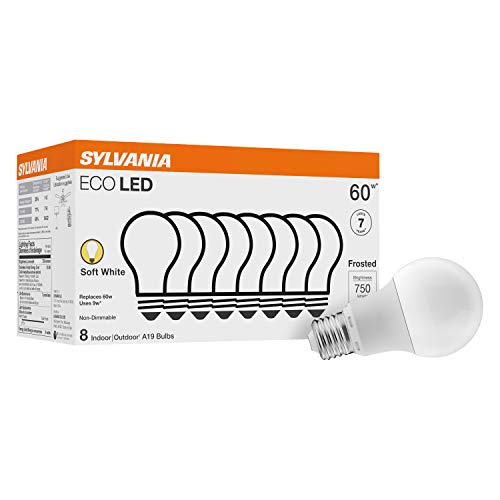
60W INCANDESCENT REPLACEMENT BULB – This LED lamp is an energy-efficient replacement and substitute for standard 60-watt incandescent lamps. At 9 watts, it emits a soft white output of 750 lumens and a temperature of 2700K.
How to Choose the Right Energy-Efficient Lighting
When choosing energy-efficient lighting for a home or business, there are several factors to consider. One important factor is the color temperature of the light. Different types of lighting can produce warm or cool light, which can affect the ambiance and functionality of a space. For example, warm light is often preferred in living spaces for a cozy atmosphere, while cool light may be preferred in workspaces for better visibility.
Another factor to consider is the brightness of the light. Different types of energy-efficient lighting can produce different levels of brightness, measured in lumens. It’s important to choose lighting that provides the right level of illumination for the intended space. Additionally, it’s important to consider the compatibility of energy-efficient lighting with existing fixtures and dimmer switches, as not all types of energy-efficient lighting may be compatible with certain fixtures or controls.
Cost is also an important consideration when choosing energy-efficient lighting. While energy-efficient lighting can provide long-term savings on electricity bills, it’s important to consider the upfront cost of purchasing new bulbs or fixtures. It’s also important to consider the lifespan of different types of energy-efficient lighting, as longer-lasting options may provide greater overall savings.
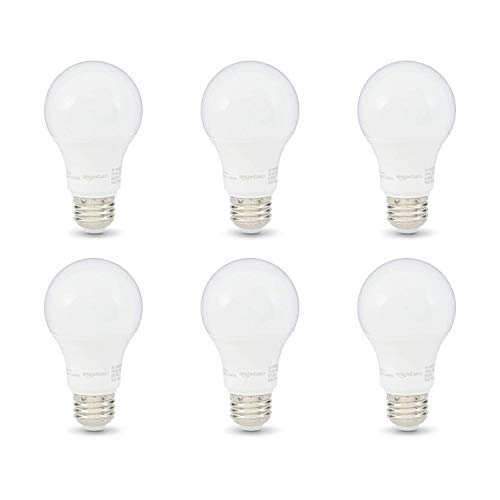
ENERGY EFFICIENT: These 9W LED light bulbs provide the brightness of 60 watt light bulbs, saving $55.87 in energy costs over their lifetime compared to the incandescent equivalent
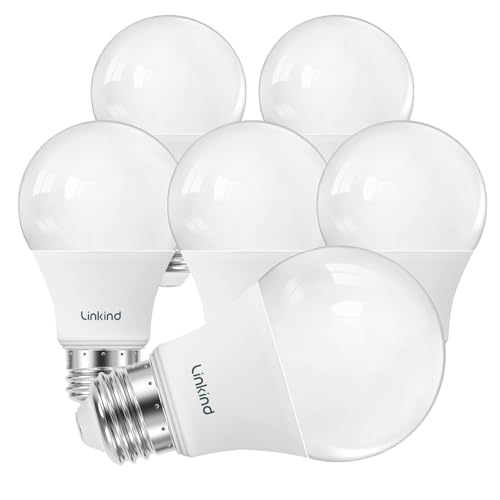
✔ 2700K WARM YELLOWISH LIGHT: The A19 dimmable LED light bulbs give off 800 lumens of 2700k cozy color light. Easy installation with the standard medium screw base E26. NOTE: Please confirm the Kelvin (K) value. This is the most accurate way to select your desired light color. This bulb is 2700K light, which produces a WARM YELLOWISH light. It is not a Bright White or Daylight White bulb. If you prefer a whiter light, please consider our 4000k Cool White or 5000K Daylight options.

ENERGY EFFICIENT: These 9W LED light bulbs provide the brightness of 60 watt light bulbs, saving $55.87 in energy costs over their lifetime compared to the incandescent equivalent
Tips for Installing Energy-Efficient Lighting
Installing energy-efficient lighting in a home or business can be a relatively simple process with a few key tips in mind. One important tip is to carefully read and follow the manufacturer’s instructions for installing new bulbs or fixtures. This can help ensure that the new lighting is installed correctly and safely.
Another tip is to consider hiring a professional electrician for more complex installations or upgrades. A professional electrician can ensure that new lighting is installed safely and in compliance with local building codes. Additionally, an electrician can provide advice on the best types of energy-efficient lighting for specific spaces and applications.
It’s also important to properly dispose of old incandescent bulbs or other traditional lighting options when upgrading to energy-efficient lighting. Many communities offer recycling programs for old bulbs and fixtures, which can help reduce waste and minimize environmental impact.
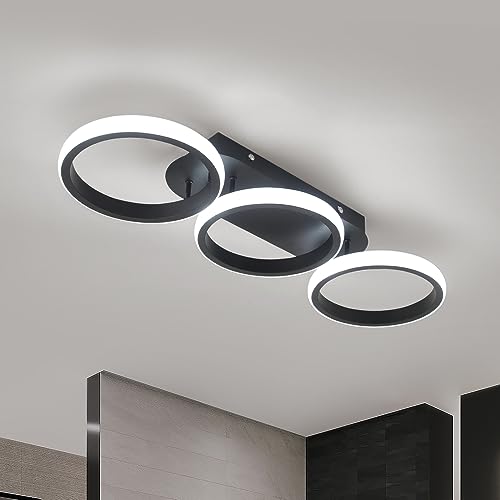
【Modern Design】This flush mount led ceiling light fixture is a perfect combination of Iron and aluminum, no cracking, no fading, corrosion resistance, easy to clean. Nordic Simple Design and Round Black Shape. When the ceiling light is turned on, its 3 rings will bring soft light and add a beautiful decoration to your room.
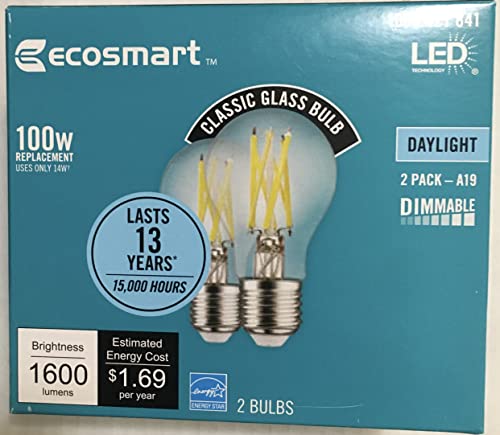

【5CCT Selectable】A built-in manual DIP switch allows you to select among five color temperatures before installation: 2700K (extra warm white), 3000K (warm white), 4000K (natural white), 5000K (cool white), and 6500K (daylight white). This wide range enables precise light matching for diverse room functions—from the cozy ambiance of living spaces to the crisp, task-oriented brightness required in kitchens, bathrooms, and home offices—all within a single fixture.
Maintenance and Care for Energy-Efficient Lighting
Proper maintenance and care can help ensure that energy-efficient lighting continues to provide long-term savings and benefits. One important aspect of maintenance is keeping fixtures and bulbs clean and free from dust and debris. Regular cleaning can help maintain optimal performance and extend the lifespan of energy-efficient lighting.
It’s also important to check for any signs of wear or damage to energy-efficient lighting, such as flickering or dimming bulbs. If any issues are noticed, it’s important to address them promptly to prevent further damage or reduced efficiency.
Additionally, it’s important to keep track of the lifespan of different types of energy-efficient lighting and replace them as needed. LED bulbs, for example, have a much longer lifespan than traditional incandescent bulbs, but will eventually need to be replaced. Keeping track of the lifespan of different bulbs and fixtures can help ensure that they continue to provide optimal performance and savings.
Additional Ways to Save Money and the Environment with Energy-Efficient Lighting
In addition to using energy-efficient lighting, there are several other ways to save money and reduce environmental impact related to lighting. One option is to use natural light whenever possible by opening curtains or blinds during daylight hours. This can help reduce the need for artificial lighting and lower electricity costs.
Another option is to use motion sensors or timers with indoor and outdoor lighting to ensure that lights are only on when needed. This can help reduce unnecessary energy consumption and further lower electricity bills.
Finally, it’s important to consider the overall design and layout of a space when planning for energy-efficient lighting. By strategically placing lights and using reflective surfaces, it’s possible to maximize natural light and reduce the need for artificial lighting.
In conclusion, energy-efficient lighting offers numerous benefits for consumers and the environment. By understanding the different types of energy-efficient lighting available and how to choose the right options for specific needs, consumers can save money on electricity bills and reduce their environmental impact. Proper installation, maintenance, and additional strategies for saving money and reducing environmental impact related to lighting can further enhance the benefits of energy-efficient lighting. Overall, energy-efficient lighting is an important step towards a more sustainable and cost-effective approach to illumination.
Enjoying our content? Make us a preferred source on Google.
Add us as a Preferred Source on Google