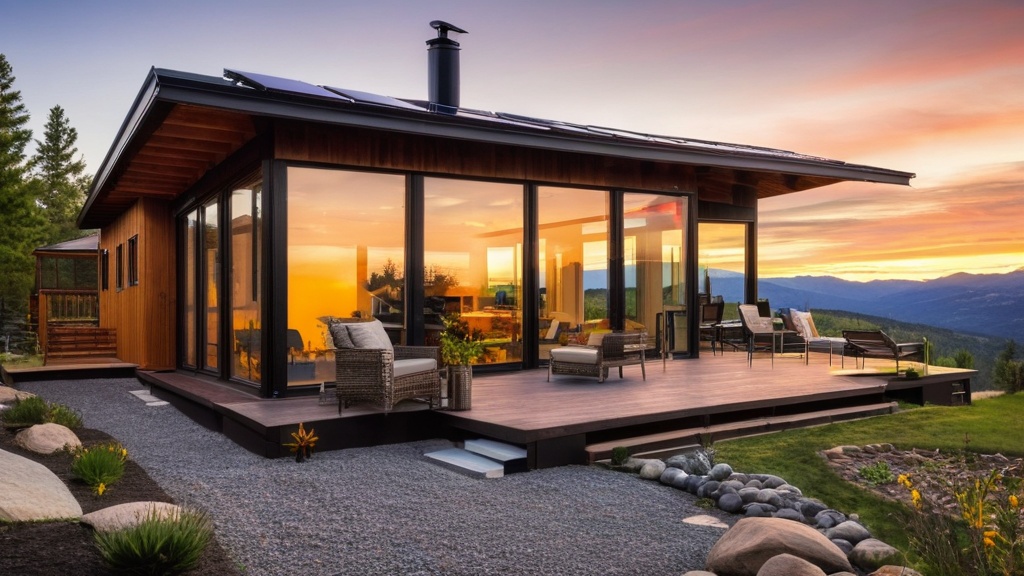
Passive solar home design refers to a construction approach that harnesses natural energy from the sun to maintain comfortable indoor temperatures without relying heavily on mechanical heating or cooling systems. This design philosophy integrates architectural elements and site planning to maximize sunlight exposure, thereby reducing energy consumption and promoting sustainability. Homes designed with passive solar principles utilize the sun’s energy for heating, cooling, and lighting, creating a harmonious relationship between the built environment and nature.
Incorporating passive solar techniques involves careful consideration of a building’s orientation, window placement, and thermal mass materials. The goal is to create a living space that remains comfortable year-round while minimizing reliance on external energy sources. As we face increasing concerns about climate change and energy efficiency, passive solar home design emerges as a viable solution for environmentally conscious homeowners seeking to reduce their carbon footprint.
In exploring the principles of passive solar home design, it’s essential to consider how integrating solar energy can enhance your home’s overall value. A related article titled “How Financing Solar Panels Can Boost Your Home’s Value” delves into the financial benefits of solar installations, highlighting how they can complement passive solar strategies. For more insights on this topic, you can read the article here: green roofing and solar panels. By understanding these elements, homeowners can create a more sustainable living environment that maximizes energy use while minimizing environmental impact.
Factors to Consider in Passive Solar Home Design
| Metrics | Data |
|---|---|
| Energy Savings | Up to 50% reduction in energy usage |
| Temperature Regulation | Maintains comfortable indoor temperatures |
| Passive Solar Features | Windows, thermal mass, and shading devices |
| Environmental Impact | Lower carbon footprint |
| Cost Savings | Lower heating and cooling costs |
Several factors warrant consideration when planning a passive solar home design. Climate plays a significant role in determining which strategies will be most effective. In colder climates, maximizing solar gain becomes paramount, while warmer regions may require more emphasis on shading and ventilation to prevent overheating. Understanding local weather patterns helps inform design decisions that align with specific environmental conditions.
Site selection is equally important. Analyzing the topography and surrounding landscape can influence how much sunlight a home receives throughout the year. Proximity to other structures or natural features may impact sunlight exposure and wind patterns, necessitating thoughtful planning to optimize passive solar benefits. Additionally, local building codes and regulations may impose restrictions that affect design choices, making it essential to research these guidelines before proceeding.
Examples of Passive Solar Home Design Features
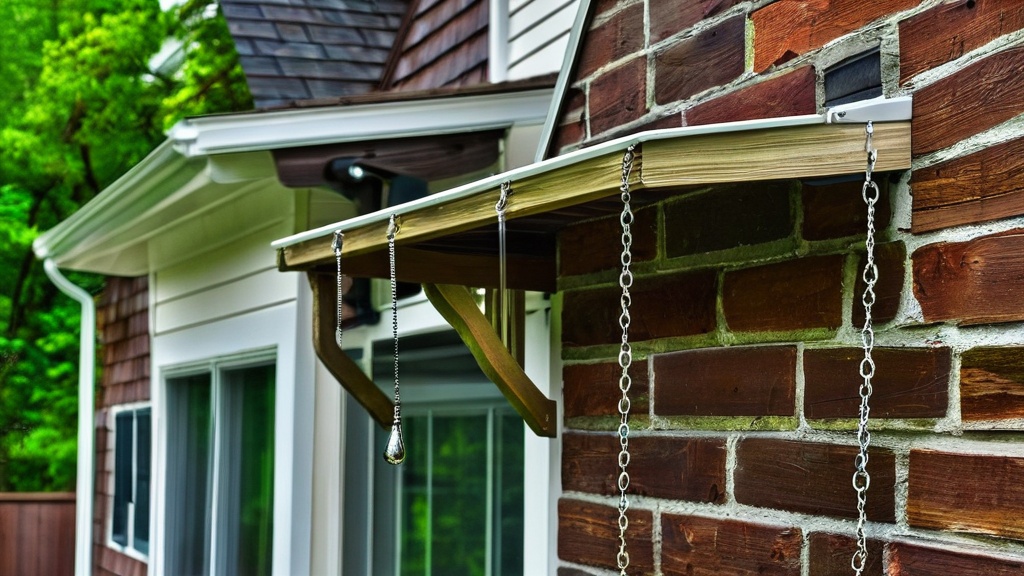
Numerous features exemplify the principles of passive solar home design. South-facing windows are perhaps the most recognizable element, allowing ample sunlight to enter living spaces during winter months while minimizing glare in summer. Overhangs or awnings provide shade for these windows, preventing excessive heat gain when the sun is high in the sky.
Thermal mass walls are another effective feature, often constructed from materials like adobe or rammed earth. These walls absorb heat during the day and release it slowly at night, helping maintain stable indoor temperatures. Skylights can enhance natural lighting while providing additional ventilation options, further contributing to energy efficiency. Incorporating operable windows allows residents to control airflow and temperature within their homes, promoting comfort without relying on mechanical systems.
Challenges in Implementing Passive Solar Home Design
Implementing passive solar home design does come with its challenges.
One significant hurdle involves initial costs associated with construction and materials.
While passive solar homes often lead to long-term savings on energy bills, upfront investments in high-quality materials and design features can deter some homeowners from pursuing this approach. Balancing budget constraints with sustainable goals requires careful planning and consideration.
Another challenge lies in achieving optimal performance through design choices. Miscalculations in window placement or thermal mass materials can lead to unintended consequences, such as overheating or insufficient heating during colder months. Collaborating with experienced architects or builders familiar with passive solar principles can help mitigate these risks and ensure that designs meet intended goals.
Conclusion and Future of Passive Solar Home Design
As we look toward the future, passive solar home design holds immense potential for creating sustainable living environments that prioritize energy efficiency and environmental stewardship. With growing awareness of climate change and rising energy costs, more homeowners are seeking innovative solutions that align with their values. Passive solar principles offer a practical approach that not only benefits individual households but also contributes to broader efforts aimed at reducing carbon footprints.
Continued advancements in building materials and technology will likely enhance the effectiveness of passive solar designs in the coming years. As we embrace renewable energy sources and prioritize sustainability in our communities, passive solar home design will play an increasingly vital role in shaping our built environment for generations to come. Together, we can create homes that harmonize with nature while providing comfort and efficiency for all who inhabit them.
FAQs
What is passive solar home design?
Passive solar home design is a method of designing and orienting buildings to take advantage of the sun’s energy for heating and cooling purposes. This design approach utilizes the building’s location, materials, and layout to maximize natural light and heat from the sun.
What are the benefits of passive solar home design?
Passive solar home design can help reduce energy costs by utilizing natural heating and cooling methods, decrease reliance on mechanical heating and cooling systems, and create a more comfortable and sustainable living environment. Additionally, it can contribute to lower carbon emissions and environmental impact.
What are some key principles of passive solar home design?
Key principles of passive solar home design include proper building orientation to maximize solar exposure, strategic placement of windows and shading devices to control sunlight and heat, thermal mass to store and distribute heat, and natural ventilation for cooling.
What are some common features of passive solar homes?
Common features of passive solar homes include large south-facing windows to capture sunlight, overhangs or awnings to provide shade in the summer and allow sunlight in the winter, thermal mass materials such as concrete or tile floors to store heat, and natural ventilation systems for cooling.
Are there any limitations to passive solar home design?
Limitations to passive solar home design may include the need for careful planning and site-specific considerations, potential challenges in retrofitting existing buildings, and the reliance on local climate conditions for optimal performance. Additionally, passive solar design may not be suitable for all building types or locations.
Enjoying our content? Make us a preferred source on Google.
Add us as a Preferred Source on Google