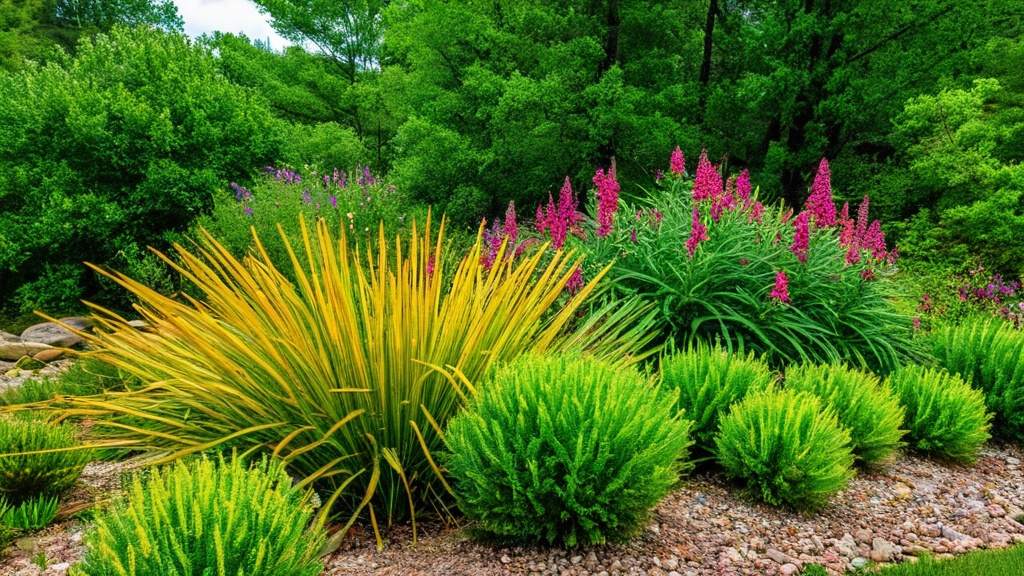
In the heart of the United Kingdom, gardens serve as a canvas for creativity and a sanctuary for nature. Among the myriad of choices available to gardeners, native plants stand out as a remarkable option. These plants have evolved over centuries, adapting to the local climate, soil, and wildlife. Their deep-rooted connection to the environment makes them an integral part of our natural heritage. As we cultivate our gardens, we can honor this heritage by incorporating native species that not only beautify our spaces but also support local ecosystems.
The appeal of native plants extends beyond their aesthetic value. They offer a unique opportunity to create a garden that thrives with minimal intervention. By choosing plants that are well-suited to the local conditions, we can foster a vibrant ecosystem that attracts pollinators, birds, and beneficial insects. In this article, we will explore the benefits of using native plants in UK gardens, highlight some of the best native perennials, shrubs, and trees, and provide practical tips for incorporating these species into our garden designs.
If you’re looking to enhance your garden with sustainable choices, you might find inspiration in the article about eco-friendly practices in gardening. It discusses various ways to create a more environmentally friendly garden, which complements the ideas presented in “Best Native Plants for UK Gardens.” For more insights on how to make your gardening efforts more sustainable, check out this article on eco-champions: Going Zero Waste: Meet the Eco Champions.
Key Takeaways
- Native plants in UK gardens are species that naturally occur in the region and have adapted to the local climate and soil conditions.
- Using native plants in UK gardens can help support local wildlife, conserve water, and reduce the need for chemical pesticides and fertilizers.
- Top 5 native perennials for UK gardens include Bluebell, Primrose, Foxglove, Hellebore, and Wood Anemone.
- Top 3 native shrubs for UK gardens are Elder, Hawthorn, and Dog Rose, which provide food and shelter for wildlife.
- Top 3 native trees for UK gardens are Oak, Silver Birch, and Rowan, which offer shade, habitat, and food for birds and insects.
- Incorporating native plants into garden design can be done by creating wildlife-friendly areas, using native plant borders, and planting in layers to mimic natural habitats.
- Maintenance and care tips for native plants in UK gardens include regular watering, mulching, and pruning as needed to promote healthy growth and blooming.
- Native plants for UK gardens can be found at local nurseries, garden centers, and online retailers specializing in native plant species.
Benefits of Using Native Plants in UK Gardens
Utilizing native plants in our gardens brings a multitude of advantages. One of the most compelling reasons lies in their adaptability. Native species have evolved to thrive in local conditions, requiring less water and fewer resources than non-native varieties. This resilience translates into lower maintenance efforts for us as gardeners. We can enjoy lush, vibrant gardens without the constant need for fertilizers or pesticides, which can be harmful to the environment.
Another significant benefit involves biodiversity. Native plants play a crucial role in supporting local wildlife. They provide food and habitat for various species, including bees, butterflies, and birds. By planting native species, we contribute to the preservation of these vital populations. A garden filled with native flora becomes a haven for pollinators and other beneficial creatures, creating a balanced ecosystem that flourishes naturally.
Top 5 Native Perennials for UK Gardens
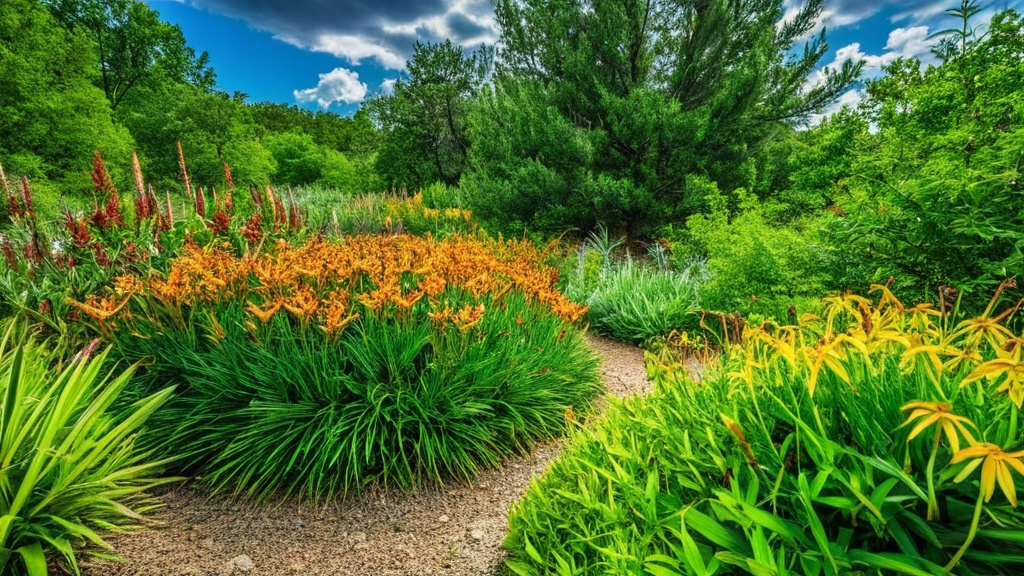
When considering native perennials for our gardens, several standout options come to mind. One such perennial is the common knapweed (Centaurea nigra). This hardy plant produces striking purple flowers that attract a variety of pollinators. Its ability to thrive in poor soil conditions makes it an excellent choice for low-maintenance gardens.
Another fantastic option is the oxeye daisy (Leucanthemum vulgare). With its cheerful white petals and sunny yellow center, this perennial brightens any garden space. It blooms from late spring to early autumn, providing a long-lasting display of color while serving as a vital food source for bees and butterflies.
The wild geranium (Geranium pratense) deserves mention as well. Its delicate blue-purple flowers add elegance to borders and meadows alike. This perennial thrives in various soil types and offers a lovely contrast to other garden plants with its lush green foliage.
We cannot overlook the importance of the purple loosestrife (Lythrum salicaria).
This striking plant features tall spikes of purple flowers that bloom throughout summer.
It thrives in wetland areas, making it an ideal choice for gardens with moisture-rich soil.
Lastly, the common yarrow (Achillea millefolium) rounds out our list of top native perennials. Known for its feathery foliage and clusters of tiny flowers, yarrow attracts numerous pollinators while providing medicinal benefits. Its drought-resistant nature makes it suitable for various garden settings.
Top 3 Native Shrubs for UK Gardens
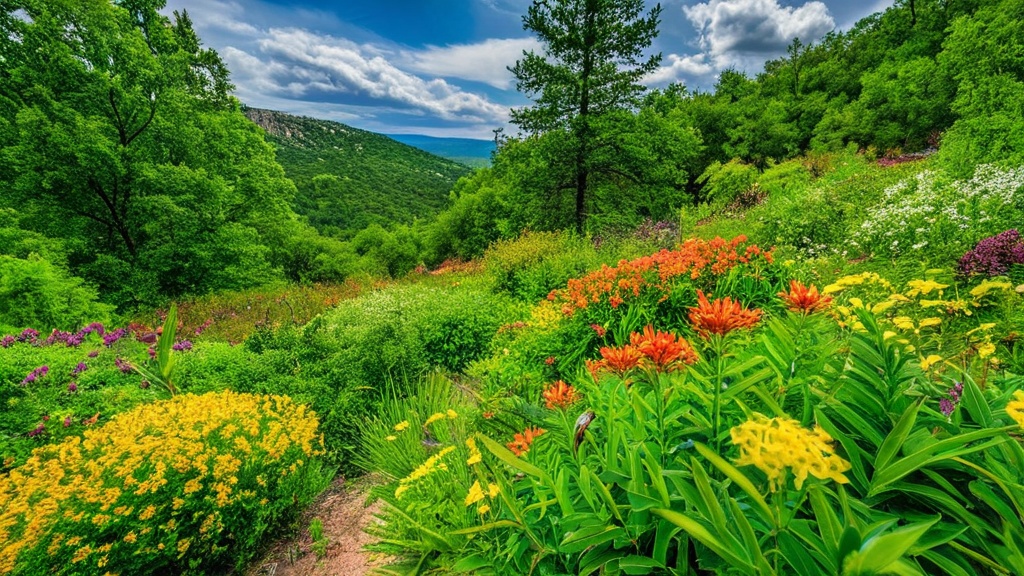
Incorporating native shrubs into our gardens adds structure and depth while providing essential habitat for wildlife. One excellent choice is the blackthorn (Prunus spinosa). This hardy shrub produces beautiful white flowers in spring, followed by dark berries in autumn that attract birds. Its dense thickets offer shelter for various small animals.
Another fantastic option is the hawthorn (Crataegus monogyna). Known for its stunning spring blossoms and vibrant red berries, hawthorn serves as an important food source for birds and insects alike. Its thorny branches create natural barriers, making it an excellent choice for hedging.
The dogwood (Cornus sanguinea) deserves recognition as well. With its striking red stems in winter and clusters of white flowers in spring, this shrub adds visual interest year-round. It thrives in various soil types and provides habitat for birds and other wildlife.
When considering the best native plants for UK gardens, it’s also important to think about sustainable practices that can enhance your gardening experience. For instance, understanding the common pitfalls in eco-friendly installations can help you create a more harmonious outdoor space. You might find it useful to read about the top mistakes to avoid when installing solar panels, as this can provide insights into how to integrate renewable energy solutions into your garden design. For more information, check out this article on mistakes to avoid when installing solar panels.
Top 3 Native Trees for UK Gardens
| Plant Name | Height | Spread | Soil Type | Exposure |
|---|---|---|---|---|
| Bluebell | 30-50cm | 10-20cm | Moist, well-drained | Partial shade |
| Lavender | 30-60cm | 30-60cm | Well-drained | Full sun |
| Primrose | 10-20cm | 10-20cm | Moist, well-drained | Partial shade |
| Foxglove | 60-150cm | 30-60cm | Moist, well-drained | Partial shade |
When it comes to native trees, several species stand out as ideal choices for our gardens. The oak tree (Quercus robur) holds a special place in British culture and ecology. Known for its majestic stature and longevity, the oak supports countless species of insects and birds throughout its life cycle.
Another remarkable option is the silver birch (Betula pendula). With its striking white bark and delicate leaves, this tree brings elegance to any garden setting. It thrives in various soil types and provides habitat for numerous birds and insects.
The hornbeam (Carpinus betulus) rounds out our list of top native trees. Its dense foliage offers excellent shade during summer months while providing a stunning display of autumn colors. Hornbeam is adaptable to different soil conditions and can be shaped into hedges or left to grow naturally.
When planning a garden that thrives in the UK climate, it’s essential to consider not only the aesthetic appeal of native plants but also their ecological benefits. For those interested in creating a sustainable garden, you might find it helpful to explore how eco-friendly practices can enhance your outdoor space. A related article discusses the importance of embracing sustainable living through eco homes, which can complement your gardening efforts by promoting a harmonious relationship with nature. You can read more about this topic here.
How to Incorporate Native Plants into Your Garden Design
Incorporating native plants into our garden design requires thoughtful planning and creativity. One effective approach involves creating themed areas that highlight specific habitats found in nature. For instance, we can design a wildflower meadow filled with native perennials that attract pollinators or establish a woodland area featuring native trees and shrubs that mimic natural forest settings.
Layering plants can create visual interest while ensuring that each species receives adequate sunlight and space to thrive. Placing taller plants at the back of borders and shorter ones at the front allows us to showcase their unique features while maintaining accessibility for maintenance.
Utilizing natural materials such as stone or wood can enhance the overall aesthetic while blending seamlessly with native flora. Pathways made from gravel or bark chips can lead visitors through our gardens, encouraging exploration and appreciation of the diverse plant life.
Maintenance and Care Tips for Native Plants in UK Gardens
Caring for native plants requires less effort than many non-native varieties due to their adaptability to local conditions. Regular watering during dry spells helps establish young plants but should be reduced once they are well-established. Mulching around plants can retain moisture while suppressing weeds.
Pruning may be necessary for some shrubs and trees to maintain their shape and encourage healthy growth. Timing is essential; late winter or early spring often proves ideal for most species before new growth begins.
Monitoring for pests is crucial, but many native plants possess natural defenses against common garden pests. Encouraging beneficial insects through companion planting can help maintain a balanced ecosystem within our gardens.
Where to Find Native Plants for Your UK Garden
Finding native plants for our gardens has become increasingly accessible thanks to various resources available today. Local nurseries often carry a selection of native species suited to regional conditions. Engaging with local gardening clubs or conservation organizations can provide valuable insights into sourcing native plants while fostering community connections.
Online retailers specializing in native flora offer an extensive range of options delivered directly to our doorsteps. Many organizations focus on promoting biodiversity through native plant sales, ensuring that we can contribute positively to local ecosystems.
Visiting botanical gardens or nature reserves can inspire us with ideas on how to incorporate native plants into our own spaces while providing opportunities to purchase unique specimens directly from knowledgeable staff.
In conclusion, embracing native plants in our UK gardens not only enhances their beauty but also supports local wildlife and ecosystems. By selecting appropriate perennials, shrubs, and trees, we can create vibrant spaces that reflect our natural heritage while requiring less maintenance than traditional gardening methods. Through thoughtful design and care practices, we can cultivate gardens that thrive harmoniously with nature, enriching both our lives and the environment around us.
FAQs
What are native plants?
Native plants are species that occur naturally in a particular region, ecosystem, or habitat without human introduction. In the context of the UK, native plants are those that have evolved and adapted to the local climate, soil, and wildlife over many years.
Why are native plants beneficial for UK gardens?
Native plants are beneficial for UK gardens because they are well-suited to the local environment, requiring less maintenance and resources such as water and fertilizer. They also provide food and habitat for native wildlife, including birds, insects, and other beneficial organisms.
What are some examples of best native plants for UK gardens?
Some examples of best native plants for UK gardens include Bluebells, Foxgloves, Primroses, Honeysuckle, and Lavender. These plants are not only beautiful and well-adapted to the UK climate, but they also support local biodiversity.
How can I incorporate native plants into my UK garden?
You can incorporate native plants into your UK garden by researching which species are native to your specific region and selecting those that are well-suited to your garden’s conditions. You can also create a wildlife-friendly garden by including a variety of native plants that provide food and shelter for local wildlife.
Where can I purchase native plants for my UK garden?
You can purchase native plants for your UK garden from local nurseries, garden centers, or online retailers that specialize in native plant species. It’s important to ensure that the plants you purchase are sourced from reputable suppliers and are not taken from the wild.
Enjoying our content? Make us a preferred source on Google.
Add us as a Preferred Source on Google