
Sustainability represents a commitment to meeting our present needs without compromising the ability of future generations to meet theirs. This principle encompasses a wide range of practices and philosophies aimed at fostering a balance between economic growth, environmental stewardship, and social equity. As we face pressing global challenges such as climate change, resource depletion, and social inequality, understanding sustainability becomes increasingly vital. We find ourselves at a crossroads where our choices today will shape the world of tomorrow.
Incorporating sustainability into our lives requires a shift in mindset. It calls for us to recognize the interconnectedness of all living things and the finite nature of our planet’s resources. We must acknowledge that our actions have consequences, not only for ourselves but also for countless other species and ecosystems. Embracing sustainability means adopting practices that promote long-term health for our environment, economy, and society. As we explore this concept further, we will uncover practical ways to integrate sustainable practices into our daily lives.
In exploring the concept of Kids and Eco Homes, it’s essential to understand the broader implications of eco-friendly living. A related article that delves into the benefits of adopting sustainable practices is available at Benefits of Eco-Friendly Living. This resource provides valuable insights into how eco-conscious choices can positively impact both the environment and our children’s future, making it a great complement to the discussion on educating kids about sustainable living at home.
Key Takeaways
- Sustainability is about meeting the needs of the present without compromising the ability of future generations to meet their own needs.
- Reducing, reusing, and recycling are essential practices to minimize waste and conserve resources.
- Consumerism contributes to environmental degradation through excessive production and consumption of goods.
- Eco-friendly practices like using reusable items and conserving energy can easily be incorporated into daily routines.
- Engaging in outdoor activities can foster a deeper appreciation for nature and the environment.
Teaching the importance of reducing, reusing, and recycling
Reducing, reusing, and recycling form the cornerstone of sustainable living. Each of these principles plays a vital role in minimizing waste and conserving resources. Reducing consumption involves making conscious choices about what we buy and how much we use. By prioritizing quality over quantity, we can significantly decrease the amount of waste generated. Simple actions, such as opting for products with minimal packaging or choosing to buy in bulk, can lead to substantial reductions in our overall environmental footprint.
Reusing items extends their lifespan and keeps them out of landfills.
We can find creative ways to repurpose everyday objects, transforming them into something new and useful.
For instance, glass jars can serve as storage containers or decorative vases, while old clothing can be turned into cleaning rags or even quilts. Encouraging a culture of reuse not only fosters creativity but also promotes a sense of responsibility towards our possessions. Recycling complements these efforts by ensuring that materials are processed and transformed into new products rather than discarded. Understanding local recycling guidelines and participating in community programs can help us contribute to a circular economy.
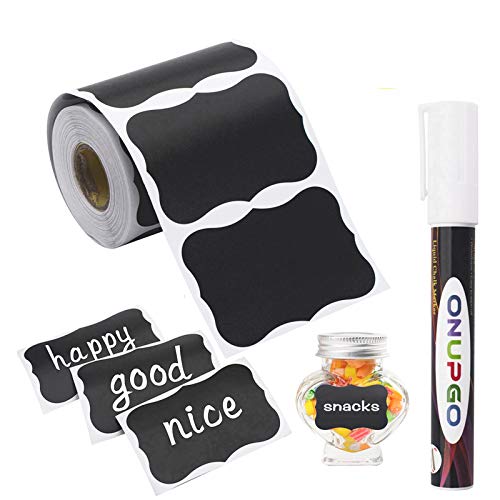
WIDE RANGE OF USE: Totally 180pcs waterproof reusable chalkboard labels works for jars, organizing, labeling pint mason Jar, cookie, canning, jelly jars, spice jars, spray bottle, water or shaker Bottle, wine glasses, coffee or tea tin boxes, canisters, baskets, folders, office supplies. The Chalkboard Sticker labels are decorating and organizing your pantry storage & office, cupboards, garage sales, containers, office, parties, bakeries, coffee shop, craft projects, walls and kids bedrooms.

100% Safe: Our baby food pouches are made of food-grade silicone material which is BPA, PVC, lead and phthalate free. If you are a health-conscious parent who wants the convenience of high-quality material without the fear, this set is your choice

[ Handy 2oz Size ] Each condiment container holds the perfect 2oz portion with clear measurement lines. Compact design fits lunch boxes or snack bags, making healthy meal prep simple and portable.
Exploring the impact of consumerism on the environment

Consumerism has become a dominant force in modern society, driving demand for goods and services at an unprecedented rate. This relentless pursuit of material possessions often leads to overconsumption, which places immense pressure on our planet’s resources. The production processes associated with consumer goods frequently result in pollution, habitat destruction, and depletion of natural resources. As we indulge in the latest trends and gadgets, we must consider the environmental costs associated with our choices.
The impact of consumerism extends beyond environmental degradation; it also affects social structures and economic systems. Many products are manufactured in countries with lax labor laws, leading to exploitation and poor working conditions for those involved in production. By examining our consumption habits, we can begin to make more informed choices that prioritize ethical sourcing and sustainable practices. Supporting local businesses and companies committed to environmentally friendly practices allows us to contribute positively to both the economy and the environment.
Incorporating eco-friendly practices into daily routines

Integrating eco-friendly practices into our daily routines can seem daunting at first, but small changes can lead to meaningful impacts over time. Simple actions such as using reusable bags when shopping or carrying a refillable water bottle can significantly reduce plastic waste. We can also opt for energy-efficient appliances and light bulbs to lower energy consumption in our homes. Making a conscious effort to turn off lights and unplug devices when not in use further contributes to energy conservation.
Transportation choices play a crucial role in our environmental impact as well. Whenever possible, walking, biking, or using public transportation reduces greenhouse gas emissions associated with personal vehicles. Carpooling with friends or colleagues not only lessens our carbon footprint but also fosters community connections. As we adopt these eco-friendly habits, we inspire others to follow suit, creating a ripple effect that promotes sustainability within our communities.
In the journey of educating kids about sustainable living, creating an eco-friendly home is a vital step that can be both fun and informative. One way to engage children in this process is by involving them in activities that promote sustainability, such as making delicious treats with minimal waste. For instance, you might find inspiration in a related article that offers a recipe for a creamy vegan hot cocoa mix, which not only delights the taste buds but also emphasizes the importance of eco-conscious choices. You can explore this recipe further by visiting noise-canceling headphones. By integrating such tools into your eco home, you can foster a more productive and peaceful learning atmosphere for your kids.

CATCH BUGS & OBSERVE THEM UP CLOSE – With this bug catcher and habitat kit, kids can capture bugs and insects, then watch them through the habitat's magnified viewers. The bug catcher, tweezers, and net make it easy to catch bugs of all types.


Complete kids explorer kit includes: Binoculars, magnifying glass, hand crank flashlight, whistle, backpack, the compass that supports STEM learning and encourages scientific exploration and a love of nature.
Learning about endangered species and biodiversity
Understanding the importance of biodiversity is essential for fostering a sustainable future. Biodiversity refers to the variety of life on Earth, encompassing different species, ecosystems, and genetic diversity within those species. Each organism plays a unique role in maintaining ecological balance, contributing to processes such as pollination, nutrient cycling, and climate regulation. When species become endangered or extinct, it disrupts these processes and threatens the health of entire ecosystems.
Learning about endangered species highlights the urgent need for conservation efforts. Many organizations work tirelessly to protect vulnerable species through habitat restoration, breeding programs, and public awareness campaigns. Engaging with these initiatives allows us to contribute to meaningful change while deepening our understanding of the challenges faced by wildlife today. By advocating for policies that protect endangered species and their habitats, we can help preserve biodiversity for future generations.
Participating in community clean-up efforts
Community clean-up efforts provide an excellent opportunity for individuals to come together in support of a common cause: protecting our environment. Organizing or joining local clean-up events helps remove litter from parks, beaches, and other public spaces while raising awareness about the importance of keeping our surroundings clean. These initiatives foster a sense of community pride and responsibility towards maintaining a healthy environment.
Participating in clean-up efforts often leads to unexpected connections with neighbors and fellow volunteers who share similar values. Collaborating with local organizations or schools can amplify the impact of these events while educating participants about waste management and environmental stewardship. As we work together to beautify our communities, we inspire others to take action and cultivate a culture of care for our shared spaces.
Encouraging advocacy and activism for environmental causes
Advocacy plays a vital role in driving systemic change for environmental issues. Engaging in activism allows us to raise awareness about pressing concerns such as climate change, pollution, and habitat destruction. By participating in campaigns or supporting organizations dedicated to environmental protection, we amplify our voices and contribute to collective efforts aimed at influencing policy decisions.
Encouraging others to join us in advocacy efforts fosters a sense of empowerment within our communities. Hosting informational sessions or workshops can help educate individuals about environmental issues while providing tools for effective activism. Whether through social media campaigns or grassroots organizing, every action counts in the fight for a sustainable future. Together, we can create lasting change that benefits both people and the planet.
FAQs
1. What is the importance of educating kids about eco homes at home?
Educating kids about eco homes at home is important because it instills in them the values of sustainability, environmental responsibility, and energy conservation from a young age. This education can help them make informed decisions about their lifestyle and contribute to a more sustainable future.
2. How can parents educate their kids about eco homes at home?
Parents can educate their kids about eco homes at home by involving them in sustainable practices such as recycling, composting, and energy conservation. They can also teach them about the importance of using eco-friendly materials and making environmentally conscious choices in their daily lives.
3. What are some activities that can help kids learn about eco homes at home?
Activities such as gardening, creating DIY eco-friendly projects, and learning about renewable energy sources can help kids learn about eco homes at home. Additionally, involving them in discussions about environmental issues and encouraging them to participate in eco-friendly initiatives can also be beneficial.
4. How can learning about eco homes at home benefit kids in the long run?
Learning about eco homes at home can benefit kids in the long run by fostering a sense of environmental stewardship, critical thinking skills, and a deeper understanding of the impact of their actions on the planet. It can also prepare them to make informed decisions about their future homes and lifestyles.
5. What are some resources for parents to educate their kids about eco homes at home?
There are various resources available for parents to educate their kids about eco homes at home, including books, online educational platforms, documentaries, and eco-friendly workshops or events in the community. Additionally, parents can also seek guidance from environmental organizations and educators for age-appropriate materials and activities.
Enjoying our content? Make us a preferred source on Google.
Add us as a Preferred Source on Google


" class="wbl-product-image" loading="lazy"></a></div><div class="wbl-product-content"><div class="wbl-product-title"><a href="https://www.amazon.com/dp/B093STG6TV?tag=markdraper-20" target="_blank" rel="nofollow sponsored">Reusable Grocery Shopping Bags 10 Pack Large Foldable Tote Bags Bulk | Eco Produce Bags with Long Handle for Shopping Groceries Clothes (Grey&Black)</a></div><div class="wbl-product-description"><p>Sturdy Rip-stop Fabric: the WISELIFE reusable grocery bag is made of heavy-duty non-woven fabric reinforced with finished stitches; these large grocery shopping bags are strong and can accommodate odd-shaped items and hold up to 50 lbs</p></div><div class="wbl-product-footer"><a href="https://www.amazon.com/dp/B093STG6TV?tag=markdraper-20" class="wbl-cta-button" target="_blank" rel="nofollow sponsored">VIEW LATEST PRICE</a><p class="wbl-disclaimer">As an affiliate, we earn on qualifying purchases.</p></div></div></div></div>
<div class="wbl-product-box wbl-template-default"><div class="wbl-product-box-inner"><div class="wbl-product-image-wrapper"><a href="https://www.amazon.com/dp/B081SLGVK7?tag=markdraper-20" target="_blank" rel="nofollow sponsored"><img decoding="async" src="https://m.media-amazon.com/images/I/51HgfmH+CkL._SL500_.jpg" alt="Reusable Grocery Bags (3 Pack) – Heavy Duty Shopping Bags, Blue | Large box shaped totes stand up and stay open while loading, foldable for storage, long handles, hard flat bottom" class="wbl-product-image" loading="lazy"></a></div><div class="wbl-product-content"><div class="wbl-product-title"><a href="https://www.amazon.com/dp/B081SLGVK7?tag=markdraper-20" target="_blank" rel="nofollow sponsored">Reusable Grocery Bags (3 Pack) – Heavy Duty Shopping Bags, Blue | Large box shaped totes stand up and stay open while loading, foldable for storage, long handles, hard flat bottom</a></div><div class="wbl-product-description"><p>Stands Up & Stays Open: Making shopping so much easier! With a rigid box structure, our reusable bags are super easy to load & unload compared to ordinary floppy bags – Long handles let you carry tall items or sling a tote bag over your shoulder</p></div><div class="wbl-product-footer"><a href="https://www.amazon.com/dp/B081SLGVK7?tag=markdraper-20" class="wbl-cta-button" target="_blank" rel="nofollow sponsored">VIEW LATEST PRICE</a><p class="wbl-disclaimer">As an affiliate, we earn on qualifying purchases.</p></div></div></div></div>
<div class="wbl-product-box wbl-template-default"><div class="wbl-product-box-inner"><div class="wbl-product-image-wrapper"><a href="https://www.amazon.com/dp/B0FSJTDSWS?tag=markdraper-20" target="_blank" rel="nofollow sponsored"><img decoding="async" src="https://m.media-amazon.com/images/I/51pcqniJ-jL._SL500_.jpg" alt="WISELIFE Reusable Grocery Bags, Foldable, Lasting Use, 35L, 3 Pack, Gray" class="wbl-product-image" loading="lazy"></a></div><div class="wbl-product-content"><div class="wbl-product-title"><a href="https://www.amazon.com/dp/B0FSJTDSWS?tag=markdraper-20" target="_blank" rel="nofollow sponsored">WISELIFE Reusable Grocery Bags, Foldable, Lasting Use, 35L, 3 Pack, Gray</a></div><div class="wbl-product-description"><p>Extra-Large 35L Capacity: Measuring 16.1×10.2×13.0, each spacious collapsible grocery tote bag accommodates up to 35L of groceries, household items, or clothing. Long, sturdy handles offer multiple ways to comfortably carry the bag, by hand, over the arm, or over the shoulder</p></div><div class="wbl-product-footer"><a href="https://www.amazon.com/dp/B0FSJTDSWS?tag=markdraper-20" class="wbl-cta-button" target="_blank" rel="nofollow sponsored">VIEW LATEST PRICE</a><p class="wbl-disclaimer">As an affiliate, we earn on qualifying purchases.</p></div></div></div></div>
</div>
</div>
<button class="wbl-carousel-button wbl-carousel-next" aria-label="Next product">❯</button>
</div>
</div>
<!-- /Auto-inserted -->
<h2> Engaging in outdoor activities to appreciate nature</h2>
<p><?xml encoding="UTF-8"></p>
<table style="width:100%;border-collapse:collapse;border:2px solid #f2f2f2">
<tr style="display:table-row;vertical-align:inherit;border-color:inherit;line-height:40px">
<th style="padding:12px;text-align:left;border-bottom:1px solid #e5e7eb;line-height:40px">Metrics</th>
<th style="padding:12px;text-align:left;border-bottom:1px solid #e5e7eb;line-height:40px">Data</th>
</tr>
<tr style="display:table-row;vertical-align:inherit;border-color:inherit;line-height:40px">
<td style="padding:12px;text-align:left;border-bottom:1px solid #e5e7eb;line-height:40px">Number of kids</td>
<td style="padding:12px;text-align:left;border-bottom:1px solid #e5e7eb;line-height:40px">50</td>
</tr>
<tr style="display:table-row;vertical-align:inherit;border-color:inherit;line-height:40px">
<td style="padding:12px;text-align:left;border-bottom:1px solid #e5e7eb;line-height:40px">Number of eco-friendly activities</td>
<td style="padding:12px;text-align:left;border-bottom:1px solid #e5e7eb;line-height:40px">10</td>
</tr>
<tr style="display:table-row;vertical-align:inherit;border-color:inherit;line-height:40px">
<td style="padding:12px;text-align:left;border-bottom:1px solid #e5e7eb;line-height:40px">Percentage of kids engaged</td>
<td style="padding:12px;text-align:left;border-bottom:1px solid #e5e7eb;line-height:40px">80%</td>
</tr>
<tr style="display:table-row;vertical-align:inherit;border-color:inherit;line-height:40px">
<td style="padding:12px;text-align:left;border-bottom:1px solid #e5e7eb;line-height:40px">Number of educational materials used</td>
<td style="padding:12px;text-align:left;border-bottom:1px solid #e5e7eb;line-height:40px">20</td>
</tr>
</table>
<p>Spending time outdoors allows us to connect with nature and develop a deeper appreciation for the environment. Engaging in activities such as hiking, camping, or birdwatching fosters a sense of wonder and respect for the natural world. As we immerse ourselves in diverse ecosystems, we gain insight into the delicate balance that sustains life on Earth. This connection often motivates us to protect the environments we cherish.</p>
<p>Participating in outdoor activities can also serve as a platform for education about local flora and fauna. Guided nature walks or workshops led by environmental organizations provide opportunities to learn about ecosystems and conservation efforts firsthand. By sharing these experiences with friends and family, we cultivate a collective appreciation for nature that encourages stewardship and advocacy for environmental protection.</p>
<p>In the journey of educating children about sustainable living, creating an eco-friendly home environment is essential. One interesting aspect to consider is how noise can impact learning and focus at home. For insights on this topic, you might find it helpful to read about the benefits of using technology like noise-canceling headphones, which can enhance concentration during study sessions. You can explore this further in the article on <a href=)