
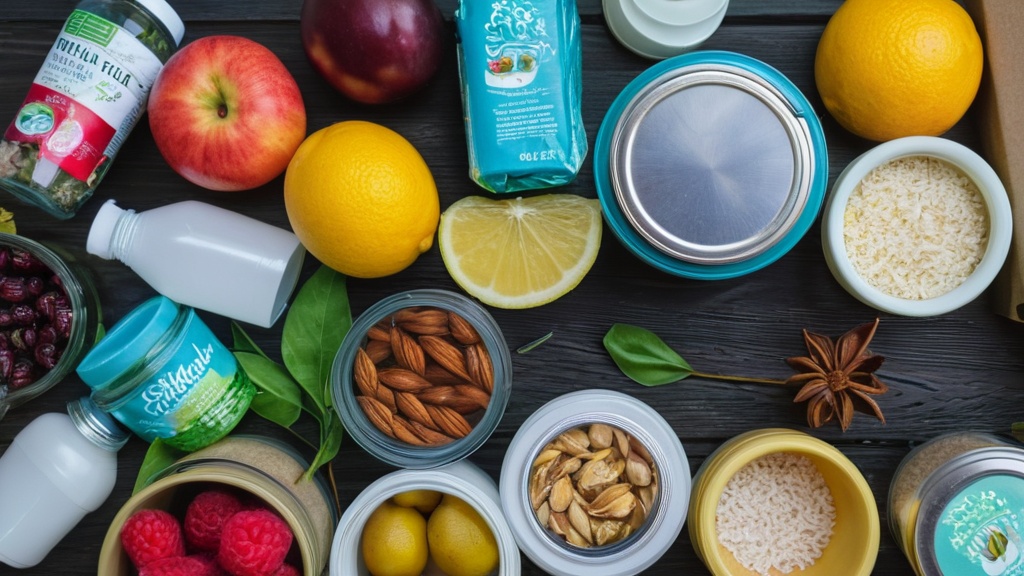
In our kitchens, we often find ourselves surrounded by a myriad of products that may not align with our values or health goals. One of the simplest yet impactful changes we can make involves swapping out conventional cooking oils for healthier alternatives. For instance, replacing vegetable oil with olive oil or avocado oil can provide not only better flavor but also beneficial nutrients. These oils contain healthy fats that support heart health and can enhance the overall quality of our meals. Choosing organic options whenever possible can further elevate our cooking experience, ensuring that we consume fewer pesticides and chemicals.
Another area ripe for improvement lies in our choice of food storage. Instead of relying on plastic containers, we can opt for glass or stainless steel alternatives. These materials are not only more durable but also free from harmful chemicals that can leach into our food. Investing in reusable beeswax wraps instead of plastic wrap offers an eco-friendly solution for keeping our food fresh. Such swaps not only contribute to a healthier kitchen environment but also promote sustainability, reducing our reliance on single-use plastics.
If you’re looking to further enhance your eco-friendly lifestyle after exploring “The Ultimate List of Plastic-Free Swaps,” you might find inspiration in the article on innovative sustainable living. Check out 10 Innovative Eco-Friendly Homes Around the World, which showcases creative architectural designs and sustainable practices that can motivate you to make greener choices in your own living space.
Key Takeaways
- Use reusable silicone food storage bags instead of single-use plastic bags in the kitchen.
- Swap out plastic toothbrushes for bamboo toothbrushes in the bathroom.
- Opt for shampoo bars instead of bottled shampoo for a more sustainable personal care option.
- Use white vinegar and baking soda for cleaning instead of harsh chemical cleaners.
- Choose a reusable water bottle over single-use plastic bottles for on-the-go hydration.
Bathroom Swaps
Bathrooms often harbor a variety of products that may contain harsh chemicals and unnecessary additives. One effective swap involves replacing conventional shampoos and conditioners with natural alternatives. Many brands now offer products made from plant-based ingredients that cleanse without stripping hair of its natural oils.
Choosing sulfate-free options can lead to healthier hair and scalp, while also minimizing environmental impact.
We can explore local artisans who create handmade soaps and shampoos, supporting small businesses while enjoying high-quality products.
Switching out traditional toothpaste for a natural version can also make a difference in our oral care routine. Many natural toothpastes use ingredients like baking soda and essential oils, providing effective cleaning without harmful chemicals. Additionally, opting for bamboo toothbrushes instead of plastic ones contributes to reducing plastic waste in landfills. Such small changes in our bathroom routines can lead to a more sustainable lifestyle while promoting personal well-being.
Personal Care Swaps

When it comes to personal care products, many of us may not realize the impact of our choices on both our health and the environment. A simple yet effective swap involves replacing conventional deodorants with natural alternatives. Many commercial deodorants contain aluminum and synthetic fragrances, which can be harmful to our bodies. Natural deodorants made from ingredients like baking soda, coconut oil, and essential oils provide effective odor protection without compromising our health.
Another area to consider is skincare. Instead of using products laden with chemicals, we can explore options that utilize natural ingredients such as shea butter, jojoba oil, and aloe vera. These ingredients nourish the skin without causing irritation or adverse reactions. Creating a skincare routine that focuses on simplicity and natural products can lead to healthier skin while reducing our exposure to harmful substances.
Cleaning Swaps

Cleaning our homes often involves using products filled with harsh chemicals that can be detrimental to both our health and the environment. A powerful swap involves replacing conventional all-purpose cleaners with homemade solutions made from vinegar, baking soda, and essential oils. These natural ingredients effectively clean surfaces without leaving behind toxic residues. Crafting our own cleaning solutions not only saves money but also allows us to control what goes into our homes.
Switching out disposable paper towels for reusable cloths can further reduce waste while maintaining cleanliness. Using washable microfiber cloths for dusting and cleaning surfaces provides an eco-friendly alternative that can be used repeatedly.
Such swaps in our cleaning routines contribute to a healthier living environment while promoting sustainability.
If you’re looking to enhance your eco-friendly lifestyle, you might find inspiration in the article about simple DIY cleaners for your kitchen. Making your own cleaning products not only reduces plastic waste but also allows you to control the ingredients you use in your home. For more tips on sustainable living, check out this helpful resource on DIY cleaners that can complement your journey towards a plastic-free lifestyle.
On-the-Go Swaps
| Product | Plastic-Free Swap |
|---|---|
| Plastic water bottles | Stainless steel water bottle |
| Plastic grocery bags | Reusable cloth bags |
| Plastic straws | Stainless steel or bamboo straws |
| Plastic food storage containers | Glass or stainless steel containers |
| Plastic toothbrushes | Bamboo toothbrushes |
In our fast-paced lives, convenience often leads us to rely on single-use items that contribute to environmental waste. One impactful swap involves replacing disposable water bottles with reusable ones. Investing in a high-quality stainless steel or glass water bottle not only reduces plastic waste but also keeps beverages at the desired temperature for longer periods. Carrying a reusable bottle encourages us to stay hydrated while making a positive impact on the planet.
Another area where we can make a difference is in our choice of snacks. Instead of reaching for pre-packaged snacks that often come in plastic wrappers, we can prepare homemade snacks using bulk ingredients. Options like trail mix, energy bars, or fruit slices provide nutritious alternatives that are both satisfying and environmentally friendly. Preparing snacks in advance allows us to make healthier choices while reducing reliance on single-use packaging.
Clothing and Accessories Swaps
The fashion industry has a significant impact on the environment, making it essential for us to consider sustainable alternatives in our clothing choices. One effective swap involves opting for second-hand clothing instead of purchasing new items. Thrift stores and online resale platforms offer a treasure trove of unique pieces while reducing the demand for fast fashion. Embracing vintage styles not only promotes sustainability but also allows us to express our individuality through fashion.
Choosing accessories made from sustainable materials can further enhance our wardrobe’s eco-friendliness. Instead of purchasing bags made from synthetic materials, we can seek out options crafted from organic cotton or recycled materials. Supporting brands that prioritize ethical production practices ensures that our fashion choices align with our values while contributing to a more sustainable future.
Office and School Swaps
In office and school environments, many products contribute to unnecessary waste and environmental harm. One impactful swap involves replacing traditional notebooks with digital alternatives or reusable notebooks that allow us to write and erase multiple times. Utilizing apps for note-taking reduces paper consumption while keeping our notes organized and easily accessible.
Switching out plastic pens for refillable ones can also make a difference in reducing waste. Many companies now offer stylish refillable pens that not only perform well but also minimize plastic waste in landfills. Encouraging colleagues and classmates to adopt similar practices fosters a culture of sustainability within our work and educational spaces.
Lifestyle Swaps
Adopting a more sustainable lifestyle extends beyond individual products; it encompasses our daily habits and choices as well. One significant swap involves rethinking transportation methods. Whenever possible, opting for walking, biking, or public transportation reduces carbon emissions while promoting physical health. Carpooling with friends or colleagues not only lessens environmental impact but also fosters community connections.
Another area ripe for improvement lies in our food choices. Supporting local farmers by purchasing seasonal produce not only benefits the environment but also strengthens local economies. Exploring plant-based meal options can further reduce our carbon footprint while promoting health and wellness. Making conscious decisions about what we consume allows us to align our lifestyles with values centered around sustainability and well-being.
In conclusion, making thoughtful swaps across various aspects of our lives can lead to a healthier lifestyle while promoting environmental sustainability. From the kitchen to personal care routines, every small change contributes to a larger movement toward conscious living. Embracing these swaps not only benefits ourselves but also creates a positive ripple effect within our communities and the planet as a whole.
FAQs
What is the ultimate list of plastic-free swaps?
The ultimate list of plastic-free swaps is a comprehensive guide that provides alternatives to everyday items that are typically made of plastic. These swaps aim to reduce plastic consumption and promote a more sustainable lifestyle.
What are some examples of plastic-free swaps?
Some examples of plastic-free swaps include using a reusable water bottle instead of single-use plastic bottles, using a bamboo toothbrush instead of a plastic one, and using beeswax wraps instead of plastic cling wrap. Other swaps may include using stainless steel straws, reusable cloth shopping bags, and bar soap instead of liquid soap in plastic bottles.
Why is it important to make plastic-free swaps?
Making plastic-free swaps is important because it helps reduce the amount of plastic waste that ends up in landfills and oceans. Plastic pollution has a detrimental impact on the environment, wildlife, and human health. By making plastic-free swaps, individuals can contribute to a more sustainable and eco-friendly lifestyle.
How can I start making plastic-free swaps?
To start making plastic-free swaps, individuals can begin by identifying the items in their daily routine that are made of plastic and finding alternative, eco-friendly options. They can also research and explore different brands and products that offer plastic-free alternatives. Additionally, participating in plastic-free challenges or initiatives can help individuals stay motivated and committed to making sustainable swaps.
Where can I find more information about plastic-free swaps?
More information about plastic-free swaps can be found in online resources, eco-friendly blogs, and sustainability-focused websites. Additionally, local zero-waste stores, environmental organizations, and community events may offer information and resources on plastic-free living and sustainable swaps.
Enjoying our content? Make us a preferred source on Google.
Add us as a Preferred Source on Google