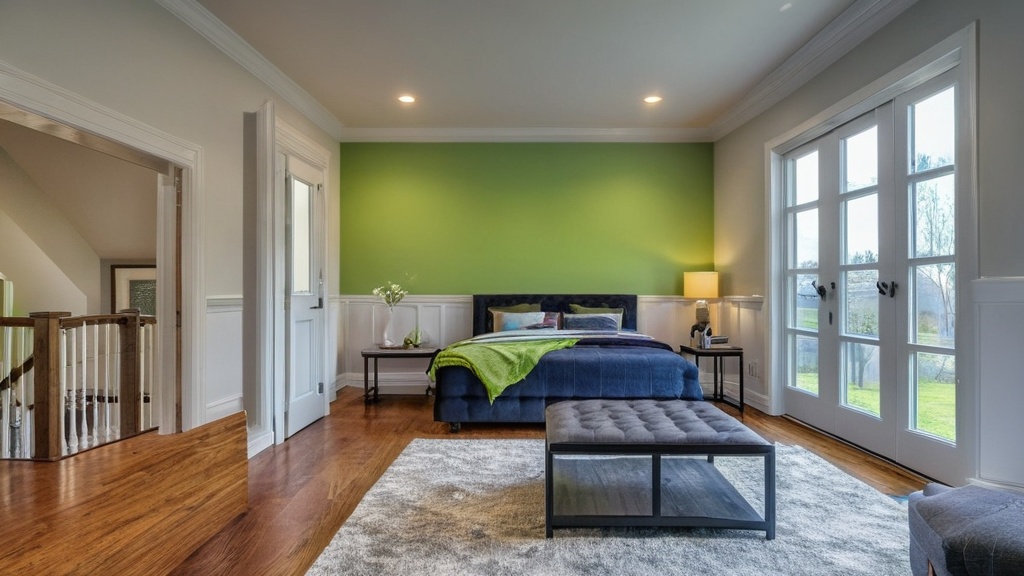

Solar orientation refers to the positioning of a building in relation to the sun’s path throughout the day and across different seasons. Our understanding of this concept is vital for optimizing natural light and heat within a structure. The sun rises in the east and sets in the west, with its position varying throughout the year. During summer, the sun takes a higher path in the sky, while in winter, it remains lower. Recognizing these patterns allows us to design spaces that harness sunlight effectively, creating environments that are both comfortable and energy-efficient.
Incorporating solar orientation into architectural design involves careful consideration of window placement, roof overhangs, and building materials. We can maximize passive solar heating by positioning windows to capture sunlight during colder months while minimizing heat gain during warmer months. This strategic approach not only enhances indoor comfort but also reduces reliance on artificial heating and cooling systems. Understanding solar orientation empowers us to create spaces that harmonize with natural elements, promoting sustainability and reducing our carbon footprint.
In addition to exploring solar orientation to maximize sunlight exposure for your solar panels, it’s also important to consider the financial incentives available for installation. A related article that provides valuable insights on this topic is “Understanding Tax Credits for Solar Panel Installation.” This resource outlines various tax credits that can significantly reduce the overall cost of solar panel systems, making them more accessible for homeowners. For more information, you can read the article here: Understanding Tax Credits for Solar Panel Installation.
Key Takeaways
- Solar orientation is crucial for optimizing natural light and heat in buildings.
- Proper solar orientation significantly enhances energy efficiency and reduces utility costs.
- Factors like geographic location, building shape, and surrounding obstacles impact solar orientation.
- Strategic landscaping and design choices can improve solar exposure and indoor comfort.
- Advanced technologies help monitor and optimize solar orientation for sustainable living.
Importance of Solar Orientation in Energy Efficiency
Energy efficiency plays a crucial role in modern building design, and solar orientation serves as a foundational element in achieving this goal. Properly oriented buildings can significantly reduce energy consumption by maximizing natural light and minimizing the need for artificial lighting. When we align our structures with the sun’s path, we can harness daylight effectively, leading to lower electricity bills and a reduced environmental impact.
Moreover, solar orientation contributes to thermal comfort within buildings. By allowing sunlight to warm spaces during winter while providing shade in summer, we create a balanced indoor climate. This balance reduces the demand for heating and cooling systems, leading to lower energy costs and a more sustainable lifestyle. As we prioritize energy efficiency in our designs, understanding solar orientation becomes essential for creating buildings that are not only functional but also environmentally responsible.
Factors Affecting Solar Orientation
Several factors influence solar orientation, including geographical location, climate, and surrounding structures. Our latitude plays a significant role in determining the sun’s angle and path throughout the year. For instance, buildings located closer to the equator experience more direct sunlight year-round compared to those situated at higher latitudes. Understanding these geographical nuances allows us to tailor our designs to specific locations, optimizing solar gain.
Climate conditions also impact how we approach solar orientation. In regions with long winters and short summers, maximizing sunlight exposure becomes critical for maintaining warmth.
Conversely, in hotter climates, shading strategies may take precedence to prevent overheating.
Additionally, surrounding structures can create shadows that affect solar access. Analyzing these external factors enables us to make informed decisions about building orientation and design elements that enhance solar efficiency.
Tips for Maximizing Solar Orientation in Building Design

Maximizing solar orientation requires thoughtful planning and design strategies. One effective approach involves orienting the building’s longest side toward the equator. This alignment allows for optimal sunlight exposure throughout the day. Incorporating large windows on the south-facing side can capture abundant natural light while minimizing openings on the north side helps reduce heat loss during colder months.
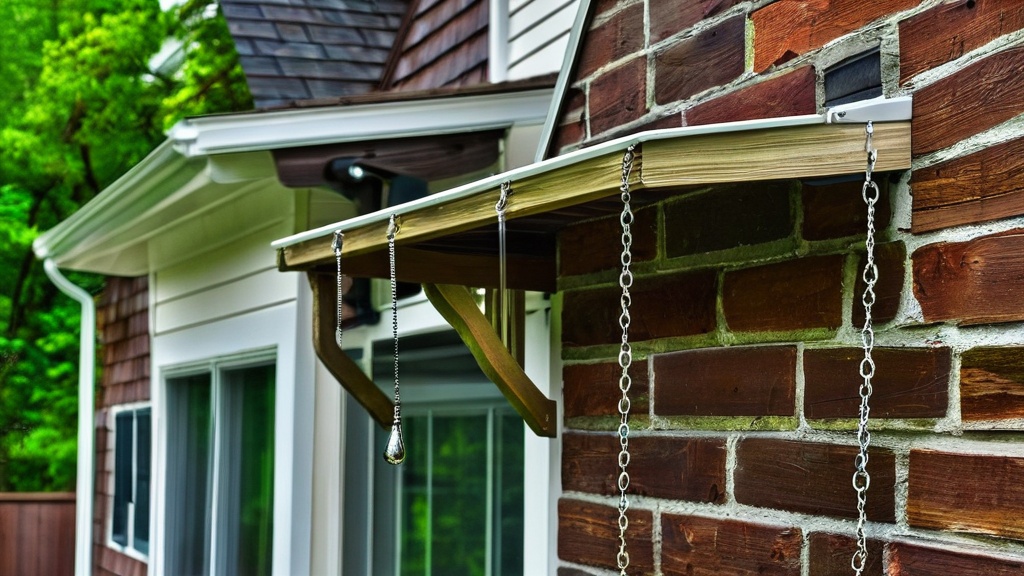
Roof overhangs play a vital role in controlling solar gain as well. Designing overhangs that extend beyond windows can provide shade during summer while allowing sunlight to penetrate during winter when the sun is lower in the sky. Utilizing thermal mass materials, such as concrete or brick, can further enhance energy efficiency by absorbing heat during the day and releasing it at night. These strategies collectively contribute to a well-designed building that maximizes solar orientation.
Understanding solar orientation is crucial for maximizing the benefits of natural sunlight in your home. For those interested in enhancing their eco-friendly practices, you might find it valuable to explore how to create sustainable products, such as cotton rounds, which can complement your efforts in energy efficiency. Check out this insightful article on eco-friendly cotton rounds to learn more about crafting items that align with your green living goals.
Utilizing Landscaping for Improved Solar Orientation
| Metric | Description | Recommended Value | Impact on Solar Gain |
|---|---|---|---|
| Building Orientation | Direction the building faces to maximize sun exposure | South-facing (Northern Hemisphere) | High solar gain throughout the day |
| Window-to-Wall Ratio (South Side) | Percentage of wall area with windows on the south side | 20% – 40% | Optimizes passive solar heating without excessive heat loss |
| Overhang Depth | Size of shading devices to block summer sun | Calculated based on latitude and window height | Prevents overheating in summer, allows winter sun |
| Roof Pitch | Angle of the roof to maximize solar panel efficiency | Latitude angle ± 10° | Maximizes solar panel energy capture |
| Glazing Type | Type of glass used in windows for solar gain and insulation | Low-E double or triple glazing | Improves heat retention and solar gain |
| Thermal Mass | Materials that absorb and store solar heat | High thermal mass materials like concrete or brick | Reduces temperature fluctuations by storing heat |
| Shading Devices | Elements like awnings or trees to control sun exposure | Adjustable or deciduous shading | Blocks summer sun, allows winter sun |
Landscaping serves as an essential tool for improving solar orientation around buildings. Thoughtful placement of trees and shrubs can provide shade during hot months while allowing sunlight to reach windows during winter. Deciduous trees are particularly beneficial as they shed leaves in fall, permitting sunlight to warm spaces when it is most needed.
Incorporating reflective surfaces in landscaping can also enhance solar orientation. Light-colored materials such as gravel or concrete can reflect sunlight toward the building, increasing natural light levels indoors. Additionally, creating outdoor spaces that encourage interaction with nature fosters a sense of well-being while promoting energy efficiency. By integrating landscaping into our designs, we can create harmonious environments that support both aesthetic appeal and functional benefits.
If you’re interested in maximizing the benefits of solar orientation for your home, you might find it helpful to explore the principles of passive design. A related article discusses how to enhance your living space for maximum comfort and energy savings, which can complement your efforts in harnessing solar energy effectively. You can read more about these strategies in this ultimate guide to passive design. By integrating these concepts, you can create a more energy-efficient and comfortable environment.

Package Includes: You will receive 2 black garden shade covers, each measuring 3.94 x 2.62 feet, good size to provide suitable light conditions for the healthy growth of plants and trees in summer
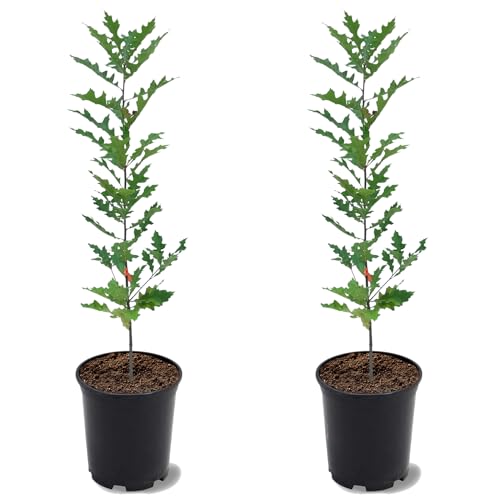
Adaptable Shade Tree: The Nuttall Oak is a strong and versatile deciduous tree that reaches 60-80 feet in height with a 35-50 foot canopy, providing excellent summer shade for your landscape. This medium growth-rate oak develops a good branching structure and is well-suited for urban and suburban environments

A beautiful green deciduous tree illustrated in a soft artistic watercolor style. The charming woodland plant features a detailed brown trunk, spreading branches, and lush green leaves in gentle shades of emerald, olive, and mint.
Technology for Monitoring and Optimizing Solar Orientation
Advancements in technology have revolutionized how we monitor and optimize solar orientation in building design. Smart home systems equipped with sensors can track sunlight patterns throughout the day, adjusting window shades or blinds automatically to maximize natural light while minimizing heat gain. These systems enhance comfort while reducing energy consumption.
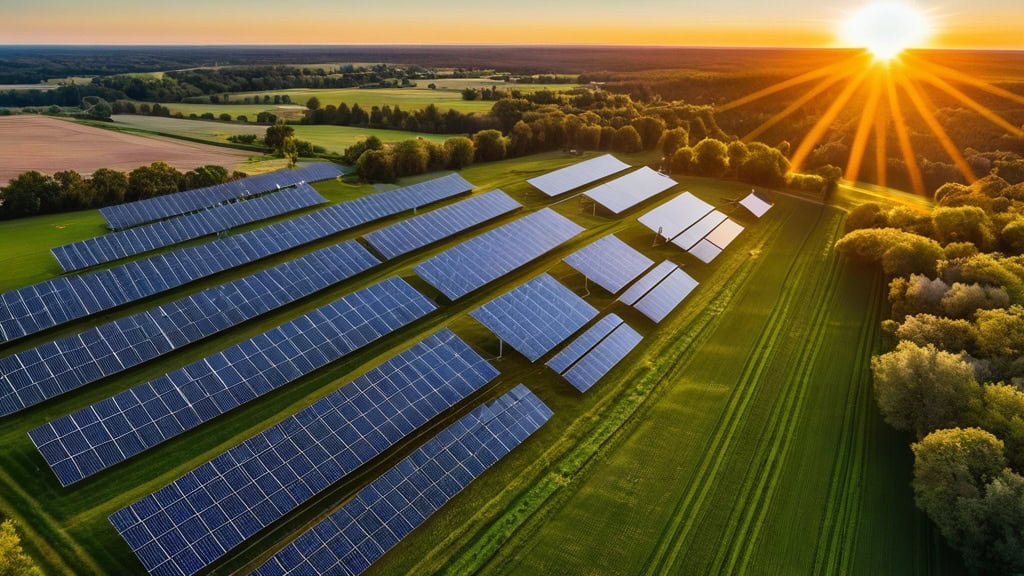
Solar panels have also become integral to optimizing solar orientation. By installing photovoltaic systems on rooftops oriented toward the sun, we can harness renewable energy effectively. Monitoring software allows us to track energy production and consumption in real-time, enabling informed decisions about energy use. Embracing these technologies empowers us to create buildings that not only respond to environmental conditions but also contribute positively to our energy landscape.

EASY INSTALL BLINDS: The remote blinds have a simple and practical no-drill mechanism(suitable for inside mount). Attach the adhesive extension block to the groove of the upper rail (it is forbidden to put more than one block), and then push it into the window frame. There is a battery compartment at the top to supply power for the shades. If the batteries are low, just take them out and replace. A stylish valance is included to block the light from the gap between fabric and the top rail

EFFORTLESS SETUP FOR ANYONE: Installs and calibrates in 5-10 minutes. Loop your beaded chain into the gear wheels & secure to the wall with included adhesive; perfect for DIYers & smart home beginners; compatible with plastic or metal beaded chains; supports roller blinds up to 3 kg or 4ft x 5ft. Proper weight compatibility is essential for smooth performance!

Motorized Cellular Shades with Remote: Smart cellular blinds can regulate the incoming natural daylight and sunlight to control the indoor climate and save energy, by taking full advantage of the reflective and insulating properties, creating perfect atmosphere at any time of the day.
Benefits of Maximized Solar Orientation
Maximizing solar orientation offers numerous benefits that extend beyond energy efficiency. Improved indoor air quality results from increased natural ventilation and daylighting, creating healthier living environments for occupants. Natural light has been shown to enhance mood and productivity, making spaces more enjoyable and functional.
Financial savings represent another significant advantage of optimized solar orientation. Reduced energy bills from lower heating and cooling costs contribute to long-term savings for homeowners and businesses alike. Additionally, properties designed with effective solar orientation often have higher resale values due to their energy-efficient features and sustainable design principles. Embracing these benefits fosters a culture of sustainability that resonates with our collective responsibility toward the environment.
Embracing Solar Orientation for Sustainable Living
Embracing solar orientation represents a vital step toward sustainable living and responsible building practices. By understanding its principles and implementing effective design strategies, we can create spaces that harmonize with nature while promoting energy efficiency. The benefits extend beyond individual buildings; they contribute to a broader movement toward reducing our carbon footprint and fostering a healthier planet.
As we move forward in our architectural endeavors, prioritizing solar orientation will play a crucial role in shaping our built environment. Through thoughtful design, innovative technology, and strategic landscaping, we can maximize the potential of solar energy while enhancing our quality of life. Together, we can embrace this approach to create a sustainable future that reflects our commitment to environmental stewardship and responsible living.
FAQs
What is solar orientation?
Solar orientation refers to the strategic positioning of a building or structure to maximize exposure to the sun’s rays. This helps in harnessing natural sunlight for heating, lighting, and energy efficiency.
Why is solar orientation important for buildings?
Proper solar orientation can reduce energy costs by maximizing natural heating and lighting, decreasing the need for artificial heating and electricity. It also improves indoor comfort and can contribute to sustainable building design.
Which direction should a building face to get maximum sunlight?
In the northern hemisphere, buildings typically face south to receive the most sunlight throughout the day. In the southern hemisphere, north-facing orientation is preferred for maximum sun exposure.
How does solar orientation affect energy efficiency?
By optimizing solar orientation, buildings can capture more sunlight during colder months for passive heating and minimize heat gain during warmer months, reducing reliance on HVAC systems and lowering energy consumption.
Can solar orientation benefit solar panel installation?
Yes, solar panels perform best when installed on surfaces that face the sun directly for the longest period each day. Proper solar orientation ensures panels receive maximum sunlight, increasing their efficiency and energy output.
Enjoying our content? Make us a preferred source on Google.
Add us as a Preferred Source on Google