
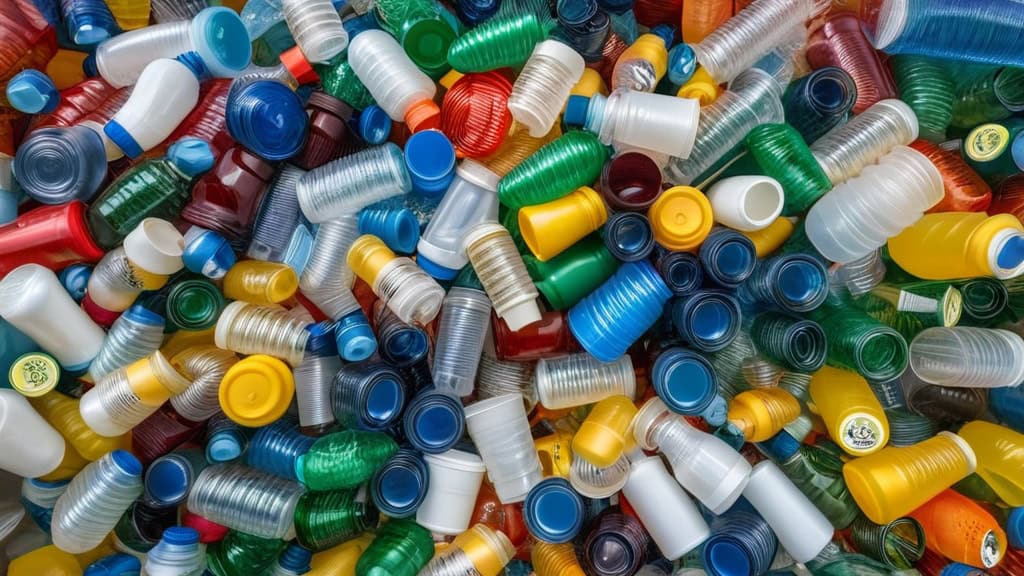
Single-use plastics have become a ubiquitous part of modern life, infiltrating our daily routines in ways we often overlook. These items, designed for one-time use, contribute significantly to environmental pollution and waste. As we navigate our busy lives, convenience often takes precedence over sustainability, leading to a reliance on plastic products that end up in landfills and oceans. Understanding the impact of single-use plastics is essential for fostering a more sustainable future.
The statistics surrounding single-use plastics are alarming. Millions of tons of plastic waste enter the environment each year, harming wildlife and ecosystems. Marine animals often mistake plastic for food, leading to dire consequences for their health and survival. As we become more aware of these issues, the urgency to address our plastic consumption grows. Transitioning towards a more sustainable lifestyle requires collective effort and commitment to reducing our reliance on single-use plastics.
In addition to practical tips for reducing single-use plastics, you may find it beneficial to explore ways to enhance your home’s sustainability through energy-efficient solutions. A related article, “How to Save Money and the Environment with Energy-Efficient Lighting,” provides valuable insights on how switching to energy-efficient lighting can not only lower your electricity bills but also contribute to a greener planet. You can read more about it by following this link: How to Save Money and the Environment with Energy-Efficient Lighting.
Key Takeaways
- Single-use plastics are items that are used once and then thrown away, contributing to environmental pollution and harm to wildlife.
- Identifying single-use plastics in your daily life can help you become more aware of your consumption habits and make changes to reduce your plastic waste.
- Practical alternatives to single-use plastics include using reusable water bottles, bags, and containers, as well as choosing products with minimal or biodegradable packaging.
- Tips for reducing single-use plastics in the kitchen include buying in bulk, using reusable food storage containers, and avoiding plastic utensils and straws.
- Tips for reducing single-use plastics in the bathroom include using bar soap instead of liquid soap, choosing bamboo toothbrushes, and opting for products with recyclable or compostable packaging.
Identifying Single-Use Plastics in Your Daily Life
Recognizing single-use plastics in our daily lives is the first step toward making meaningful changes.
Common items such as plastic bags, straws, cutlery, and food packaging often go unnoticed as we rush through our routines.
Many of us may not realize how frequently we reach for these items, contributing to a cycle of waste that seems endless. Taking a moment to assess our habits can reveal surprising insights into our plastic consumption.
In addition to the obvious culprits, many products contain hidden plastics that may not be immediately apparent. For instance, personal care items like toothbrushes, razors, and cosmetic containers often incorporate plastic materials. Even food products can come wrapped in layers of plastic that are difficult to recycle. Becoming aware of these hidden plastics empowers us to make informed choices about the products we purchase and use daily.
Practical Alternatives to Single-Use Plastics
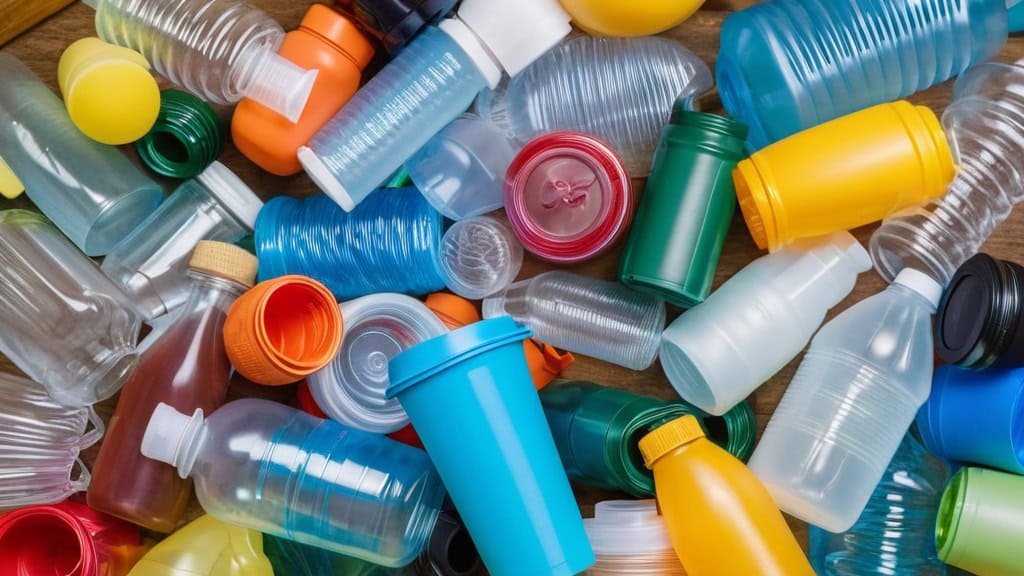
Finding practical alternatives to single-use plastics can significantly reduce our environmental footprint. Reusable bags serve as an excellent substitute for plastic shopping bags, allowing us to carry groceries and other items without contributing to waste. Many stores now offer incentives for bringing reusable bags, making this switch not only eco-friendly but also economically beneficial.
In the kitchen, opting for glass or stainless steel containers instead of plastic wrap or disposable food storage bags can make a substantial difference. These materials are durable and can be used repeatedly, minimizing waste over time. Additionally, choosing bulk items over individually packaged products reduces the amount of plastic we bring into our homes. Exploring local markets or bulk stores can provide opportunities to purchase food without excessive packaging.

Sturdy Rip-stop Fabric: the WISELIFE reusable grocery bag is made of heavy-duty non-woven fabric reinforced with finished stitches; these large grocery shopping bags are strong and can accommodate odd-shaped items and hold up to 50 lbs

Large Capacity: each reusable grocery bag has a capacity of 35 L, ample enough to meet the needs for daily shopping and outdoor picnics; all grocery tote bags have extra reinforcement at the seams for durability and to hold heavy items

Stands Up & Stays Open: Making shopping so much easier! With a rigid box structure, our reusable bags are super easy to load & unload compared to ordinary floppy bags – Long handles let you carry tall items or sling a tote bag over your shoulder
Tips for Reducing Single-Use Plastics in the Kitchen
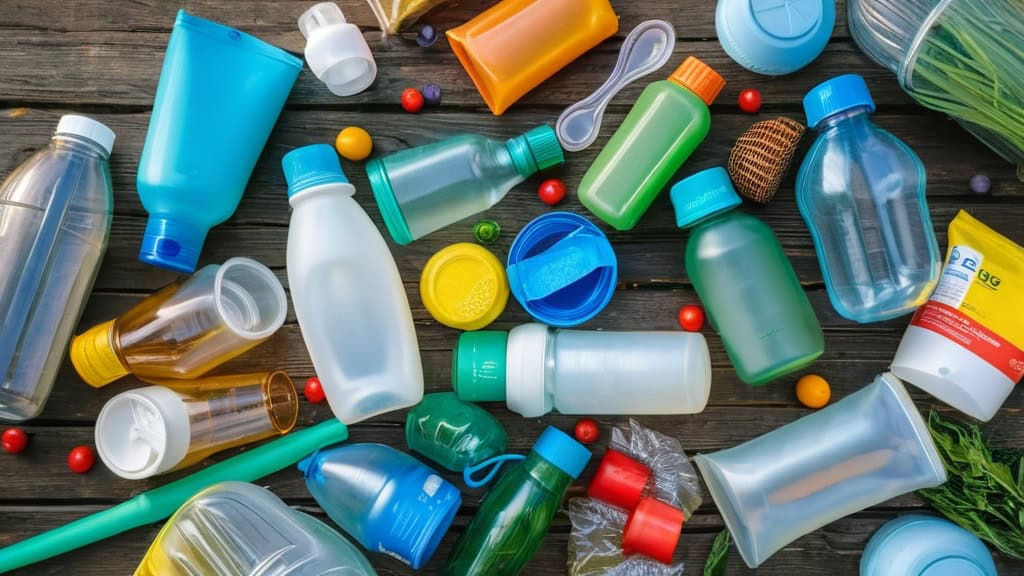
The kitchen often serves as a hotspot for single-use plastics, but simple changes can lead to significant reductions in waste. One effective strategy involves meal planning and preparation. By organizing meals ahead of time, we can minimize the need for pre-packaged foods that typically come wrapped in plastic. Preparing meals from scratch not only reduces plastic waste but also promotes healthier eating habits.
Investing in reusable kitchen items can further aid in reducing single-use plastics. For instance, using cloth napkins instead of paper ones or opting for reusable silicone food storage bags can help eliminate unnecessary waste. Additionally, purchasing fresh produce without plastic packaging encourages us to support local farmers while reducing our reliance on single-use materials. Embracing these practices fosters a more sustainable kitchen environment.
In addition to exploring practical tips for reducing single-use plastics, homeowners can also benefit from understanding sustainable energy solutions. For instance, an informative article on solar panel maintenance can provide valuable insights for those looking to enhance their eco-friendly practices. By learning how to properly care for solar panels, you can maximize their efficiency and contribute to a greener environment. To delve deeper into this topic, check out this comprehensive guide on solar panel maintenance.
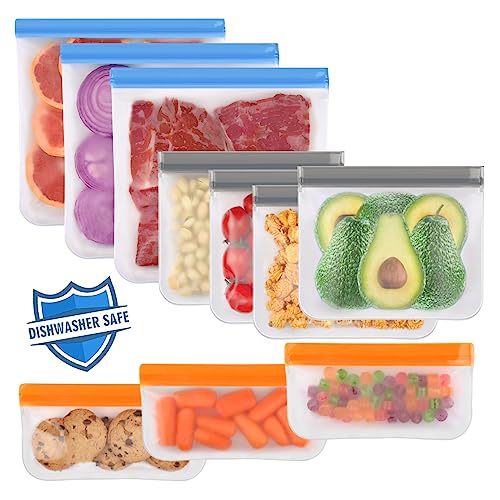
[DISHWASHER SAFE] Why bother with hand washing the reusable bags when you have a dishwasher? Thanks to innovative upgrades to materials, our reusable food storage bags are dishwasher safe. Simply turn the reusable bag inside out and put it in the dishwasher for easy cleaning. However, please skip high-temperature functions such as the dishwasher's drying to extend the lifespan of the bag.

Food Grade Material: Choose SPLF brand for Truly food-grade reusable storage bags. Made of extra thick food-grade Peva material that is PVC, BPA, Chloride and Lead free. Healthy and safe for family and earth.

YOU WILL GET: 3 different size Winrock silicone food storage bags. They are 100% pure silicone and BPA, lead, PVC, latex and phthalates free. The bags are easy to wash and durable, not as the single-use plastic bags, they are endlessly reusable.
Tips for Reducing Single-Use Plastics in the Bathroom
| Tip | Impact |
|---|---|
| Use reusable water bottles | Reduces plastic bottle waste |
| Bring your own shopping bags | Reduces plastic bag usage |
| Avoid single-use plastic straws | Reduces plastic straw pollution |
| Choose products with minimal packaging | Reduces overall plastic waste |
| Opt for reusable containers | Reduces disposable plastic containers |
The bathroom often contains numerous single-use plastic products that can easily be replaced with more sustainable options. Switching to bar soap instead of liquid soap in plastic bottles is one simple change that can significantly reduce plastic waste. Many brands now offer eco-friendly bar soaps that are just as effective and come with minimal packaging.
Choosing bamboo toothbrushes over traditional plastic ones represents another effective alternative. Bamboo is biodegradable and offers a sustainable option for oral hygiene. Additionally, exploring refillable containers for personal care products like shampoo and conditioner can help minimize plastic usage. Many companies now provide refill stations or offer products in bulk, allowing us to reduce our environmental impact while maintaining personal care routines.


【Eco-Friendly & Sustainable Oral Care】Unlike non-recyclable plastic toothbrushes, Virgin Forest bamboo toothbrushes offer reliable cleaning. This eco-friendly bamboo toothbrush cuts plastic waste, serving as a perfect zero-waste option for daily green oral care.

GO GREEN: Help the environment and reduce landfill waste by choosing a sustainable alternative to plastic toothbrushes. This bamboo toothbrush keeps your mouth fresh for just as long as a traditional toothbrush while supporting environmental conservation
Tips for Reducing Single-Use Plastics on the Go
Living a busy lifestyle often leads to increased reliance on single-use plastics when we are on the go. However, with a few adjustments, we can significantly reduce our plastic consumption while maintaining convenience. Carrying a reusable water bottle is one of the simplest yet most effective changes we can make. This small shift not only reduces plastic waste but also encourages us to stay hydrated throughout the day.
Packing snacks in reusable containers instead of single-use plastic bags provides another opportunity to cut down on waste. Preparing snacks at home allows us to control portion sizes while avoiding unnecessary packaging. Additionally, keeping a set of reusable utensils and straws in our bags ensures that we are prepared for meals or drinks without resorting to disposable options.
How to Encourage Others to Reduce Single-Use Plastics
Encouraging others to reduce their reliance on single-use plastics requires a combination of education and inspiration. Sharing information about the environmental impact of plastic waste can motivate friends and family to reconsider their habits. Hosting workshops or discussions about sustainable living can create a supportive community focused on reducing plastic consumption.
Leading by example serves as one of the most powerful ways to inspire change. When we actively demonstrate our commitment to reducing single-use plastics, others may feel encouraged to follow suit. Simple actions like bringing reusable bags when shopping or using a stainless steel water bottle can spark conversations about sustainability and motivate those around us to adopt similar practices.
Conclusion and Final Thoughts on Living a Greener Lifestyle
Living a greener lifestyle involves conscious choices that prioritize sustainability over convenience. Reducing single-use plastics represents a crucial step toward protecting our environment and preserving natural resources for future generations. As we become more aware of our consumption patterns, we can make informed decisions that contribute to a healthier planet.
Collective action plays a vital role in addressing the challenges posed by single-use plastics. Each small change we make adds up, creating a ripple effect that can lead to significant environmental benefits. Together, we can foster a culture of sustainability that encourages mindful consumption and inspires others to join us on this path toward a greener future.
FAQs
What are single-use plastics?
Single-use plastics are items that are designed to be used once and then thrown away. This includes items such as plastic bags, straws, water bottles, and food packaging.
Why is it important to reduce single-use plastics?
Single-use plastics contribute to pollution and harm the environment. They take a long time to decompose and often end up in oceans and waterways, posing a threat to marine life.
What are some practical tips for reducing single-use plastics?
Some practical tips for reducing single-use plastics include using reusable bags, bottles, and containers, avoiding products with excessive packaging, and choosing products made from alternative materials.
How can individuals make a difference in reducing single-use plastics?
Individuals can make a difference by being mindful of their plastic consumption, making small changes in their daily habits, and advocating for policies that reduce single-use plastics in their communities.
What are the benefits of reducing single-use plastics?
Reducing single-use plastics can help protect the environment, conserve natural resources, and reduce the amount of plastic pollution in the world. It can also lead to cost savings and promote a more sustainable way of living.
Enjoying our content? Make us a preferred source on Google.
Add us as a Preferred Source on Google