
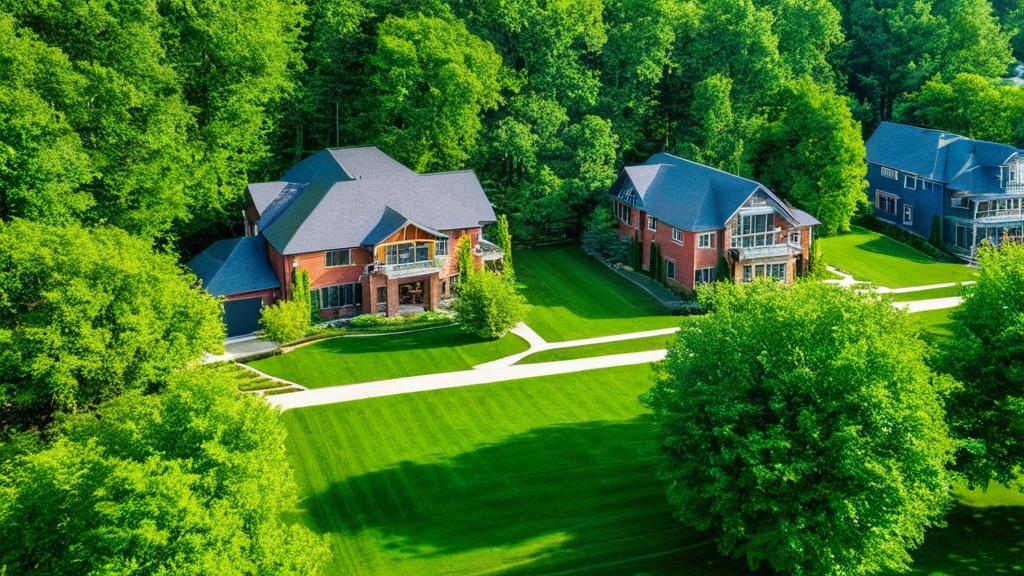
In recent years, the real estate market has witnessed a remarkable shift towards sustainability. As awareness of environmental issues grows, more investors and homeowners seek properties that reflect their values. This movement, often referred to as green real estate, emphasizes energy efficiency, sustainable materials, and eco-friendly practices. The rise of green real estate stems from a combination of consumer demand, government regulations, and a growing understanding of the long-term benefits associated with sustainable living.
The transition to green real estate has not only transformed the way properties are built and marketed but has also influenced the overall perception of real estate investment. Investors now recognize that properties designed with sustainability in mind can yield higher returns and attract a more conscientious clientele. As a result, developers are increasingly incorporating green features into their projects, leading to a surge in eco-friendly homes and commercial spaces. This trend reflects a broader societal shift towards prioritizing environmental responsibility in all aspects of life.
Investing in green real estate not only contributes to environmental sustainability but also offers potential financial benefits for investors. A related article that explores eco-friendly practices is available at Eco-Wrapping Hacks: Stylish and Sustainable Gift Giving, which discusses innovative ways to make gift-giving more sustainable. By integrating such eco-conscious practices into real estate investments, investors can enhance the appeal of their properties while promoting a greener lifestyle.
Key Takeaways
- Green real estate is on the rise as more investors and consumers prioritize sustainability and environmental impact in their decision-making.
- Investing in green real estate offers benefits such as energy efficiency, cost savings, and increased property value.
- Green real estate trends show a growing market demand for sustainable and eco-friendly properties.
- Green real estate has a positive environmental impact by reducing carbon emissions and promoting sustainable living.
- Identifying green real estate opportunities involves looking for properties with energy-efficient features, sustainable materials, and eco-friendly design.
The Benefits of Investing in Green Real Estate
Investing in green real estate offers numerous advantages that extend beyond mere financial returns. One of the most compelling benefits lies in the potential for reduced operating costs. Properties equipped with energy-efficient systems often experience lower utility bills, which can significantly enhance cash flow for investors. Additionally, many green buildings utilize sustainable materials that require less maintenance over time, further contributing to cost savings.
Another key benefit involves the growing demand for sustainable living spaces. As more individuals prioritize eco-friendly lifestyles, properties that meet these criteria become increasingly desirable. This heightened demand can lead to increased property values and quicker sales, making green real estate an attractive option for investors looking to maximize their portfolios. Furthermore, many governments offer incentives for green building practices, such as tax credits or grants, which can further enhance the financial appeal of these investments.
Green Real Estate Trends and Market Demand

Current trends in the real estate market indicate a strong preference for green properties among buyers and renters alike. Energy-efficient homes equipped with solar panels, smart home technology, and sustainable landscaping are becoming increasingly popular. This shift reflects a broader societal commitment to reducing carbon footprints and promoting environmental stewardship.
As millennials and younger generations enter the housing market, their preferences for sustainable living continue to shape industry standards.
Market demand for green real estate is not limited to residential properties. Commercial spaces are also experiencing a surge in interest from businesses seeking to align their operations with sustainable practices. Companies recognize that eco-friendly buildings can enhance employee satisfaction and productivity while reducing operational costs. As a result, developers are responding to this demand by creating innovative commercial spaces that prioritize sustainability, further solidifying the trend within the industry.
The Environmental Impact of Green Real Estate
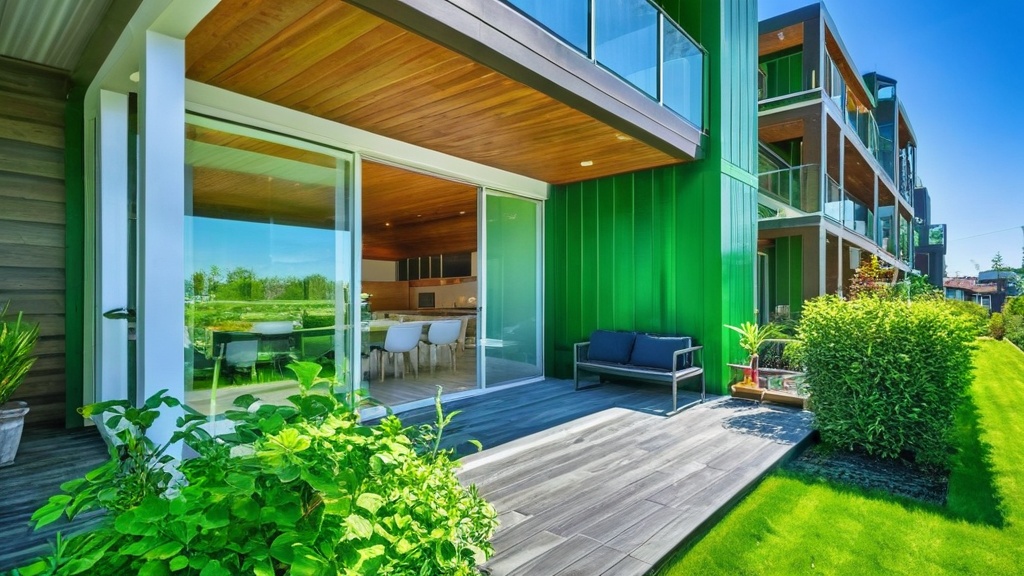
The environmental impact of green real estate cannot be overstated. Properties designed with sustainability in mind contribute to reduced greenhouse gas emissions and lower energy consumption. By utilizing renewable energy sources and energy-efficient technologies, these buildings play a vital role in combating climate change. Furthermore, sustainable construction practices minimize waste and promote responsible resource management, which benefits both the environment and local communities.
Green real estate also fosters biodiversity by incorporating natural elements into design. Properties that feature green roofs, native landscaping, and permeable surfaces help support local ecosystems while improving air quality. As we invest in green real estate, we contribute to a healthier planet for future generations. The positive environmental impact serves as a powerful motivator for many investors who wish to align their financial goals with their values.
Investing in green real estate is becoming increasingly popular as more people seek sustainable living options. A related article that offers valuable insights into creating a healthier home environment is available at The Ultimate Guide to Non-Toxic Cleaning Products. This resource highlights the importance of using eco-friendly cleaning solutions, which can complement the benefits of green real estate by ensuring that the indoor air quality remains high and the living space is free from harmful chemicals. By combining these approaches, homeowners can create a truly sustainable and healthy living environment.
How to Identify Green Real Estate Opportunities
| Metrics | Data |
|---|---|
| Energy Efficiency Rating | LEED Platinum, Energy Star Certified, etc. |
| Carbon Footprint | Tons of CO2 emissions reduced annually |
| Water Conservation | Gallons of water saved per year |
| Financial Returns | ROI, Net Operating Income, Cap Rate |
| Occupancy Rates | Percentage of occupied green buildings |
Identifying green real estate opportunities requires a keen understanding of what constitutes sustainability in the property market. Investors should begin by researching local regulations and certifications related to green building practices. Familiarity with standards such as LEED (Leadership in Energy and Environmental Design) or Energy Star can provide valuable insights into which properties meet sustainability criteria.
Networking within the real estate community can also uncover hidden opportunities. Engaging with professionals who specialize in green real estate can lead to valuable connections and insights into upcoming projects or developments. Attending industry conferences or workshops focused on sustainability can further enhance our knowledge and help us identify promising investments that align with our goals.
Investing in green real estate not only contributes to environmental sustainability but also aligns with the growing trend of eco-conscious living. A related article discusses innovative ways to reduce waste in your home, highlighting the importance of sustainable practices in everyday life. You can explore these ideas further in the article about how to revolutionize your kitchen and say goodbye to waste by following this link: revolutionize your kitchen. By integrating such practices, homeowners can enhance the value of their properties while making a positive impact on the planet.
Financing and Incentives for Green Real Estate Investments
Financing options for green real estate investments have expanded significantly in recent years. Many financial institutions now offer specialized loans designed specifically for energy-efficient properties. These loans often come with favorable terms, such as lower interest rates or longer repayment periods, making it easier for investors to finance their projects.
Incentives provided by local and federal governments can further enhance the financial viability of green investments. Tax credits, rebates, and grants are often available for those who invest in energy-efficient upgrades or sustainable building practices. Understanding these incentives can help us maximize our return on investment while contributing to a more sustainable future.
The Future of Green Real Estate
The future of green real estate appears bright as societal values continue to evolve towards sustainability. As climate change becomes an increasingly pressing issue, the demand for eco-friendly properties is expected to grow exponentially. Developers will likely respond by innovating new technologies and building practices that prioritize environmental responsibility.
Emerging trends such as smart home technology and renewable energy integration will play a significant role in shaping the future landscape of real estate. As we move forward, collaboration between investors, developers, and policymakers will be essential in creating a more sustainable built environment. Our collective efforts will pave the way for a greener future in real estate.
Tips for Making a Successful Green Real Estate Investment
Making a successful green real estate investment requires careful planning and consideration. First, conducting thorough research on potential properties is essential. Understanding local market trends, property values, and sustainability certifications will provide valuable insights into which investments are likely to yield positive returns.
Building relationships with professionals who specialize in green real estate can also enhance our investment strategy. Collaborating with architects, builders, and real estate agents who prioritize sustainability will ensure that we make informed decisions throughout the investment process. Additionally, staying informed about emerging technologies and trends within the industry will help us identify opportunities that align with our goals.
In conclusion, investing in green real estate presents an exciting opportunity for those looking to align their financial goals with their values. As we embrace this movement towards sustainability, we contribute not only to our own success but also to a healthier planet for future generations.
FAQs
What is green real estate?
Green real estate refers to properties that are designed, built, and operated in an environmentally friendly and sustainable manner. This can include features such as energy-efficient appliances, renewable energy sources, water-saving fixtures, and sustainable building materials.
Why should I invest in green real estate?
Investing in green real estate can provide financial benefits such as lower operating costs, increased property value, and potential tax incentives. Additionally, it can contribute to environmental conservation and sustainability efforts.
What are some examples of green real estate investments?
Examples of green real estate investments include eco-friendly residential properties, commercial buildings with LEED certification, sustainable mixed-use developments, and renewable energy projects such as solar farms or wind turbines.
How can I identify green real estate opportunities?
You can identify green real estate opportunities by looking for properties with energy-efficient certifications, sustainable building materials, eco-friendly amenities, and proximity to public transportation or green spaces. Working with a real estate agent or developer specializing in green properties can also be helpful.
What are the potential risks of investing in green real estate?
Potential risks of investing in green real estate include higher upfront costs for sustainable features, market uncertainty regarding the demand for green properties, and potential regulatory changes affecting environmental standards and incentives. It’s important to conduct thorough due diligence and seek professional advice before making green real estate investments.
Enjoying our content? Make us a preferred source on Google.
Add us as a Preferred Source on Google